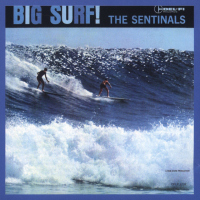
The Sentinals

Rock
Pop Rock
Indie Rock
 Viberate Rank: 199063
 Viberate Rank: 199063
 Monthly ListenersFollowers
 Subscribers
 Followers
 Followers
 FansTop Spotify Songs
| Track | 7-Day Streams | |
|---|---|---|
1 | 4.86K | |
2 | 4.72K | |
3 | 1.15K | |
4 | 732 | |
5 | 623 |
Top YouTube VideosMonthly ListenersFeatured in Playlists| Playlist | Followers | |
|---|---|---|
1 |  Surf Rock Classics awaterslideaway | 105.83K |
2 | Unofficial Reverb Radio Jeff Ferruzzo | 21.82K |
3 | Surf Music 50's & 60's Eric Trabert | 13.82K |
4 |  El Sótano de Radio 3 Groovyfamily | 9.84K |
5 |  East L.A. Chicano Oldies Mmusicjunkie97 | 8.06K |
Audience| City | Monthly Listeners | |
|---|---|---|
1 | | 528 |
2 |  | 366 |
3 |  | 281 |
4 | | 244 |
5 | | 222 |
See full performance history, audience data, playlist activity, rankings, comparisons, and more in Viberate music analytics. Start with a free trial, then continue with a paid plan.
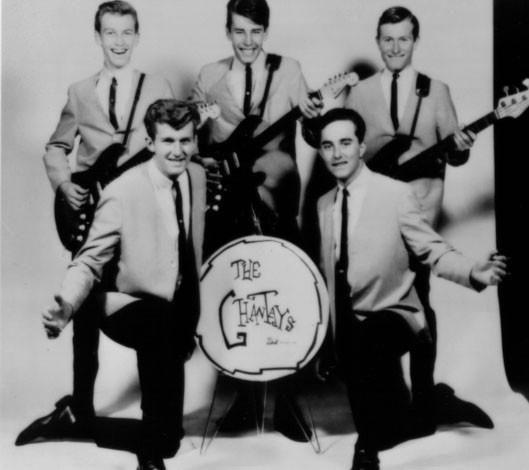
The Sentinals’ Spotify BioA decent though not first-division surf band, the Sentinals made a couple of albums for Del-Fi in 1963-64 and achieved a good deal of regional popularity, although only drummer Johnny Barbata (later in the Turtles and Jefferson Starship) would go on to name groups. They formed in 1961 in the Californian Central Coast town of San Luis Obispo, a locale that also bred another Del-Fi surf band, the Impacts (starting point of future cult folk-rocker Merrell Fankhauser). The Sentinals (sometimes, confusingly, spelled Sentinels) had a heavier rhythm-and-blues feel to much of their material than the average surf band, and would occasionally sing, as evidenced by covers like "Ooh Poo Pah Doo" and "Shout." At other points, however, they were adept at tossing off the Latin-influenced riffs and melodies that made surf as a genre stand apart from other early 1960s instrumental R&B-rock. This was especially audible in "Latin'ia, " a 1962 single that is included on Rhino's Cowabunga! The Surf Box.
The… Sentinals broke up in the mid-1960s, with future psychedelic-soul keyboardist/singer Lee Michaels joining for some time (although he did not record with them). Bassist/singer Kenny Hinkle had a more modest post-Sentinals resume than Barbata or Michaels, playing in the group California Music with Beach Boy Bruce Johnston and producer/artist Terry Melcher in the 1970s. ~ Richie Unterberger, Rovi
Viberate is a music analytics platform built for A&Rs, artist managers, labels, booking agents, marketers, and artists.
It helps music professionals track artist growth, analyze audience data, monitor playlist activity, compare artists, follow song performance, and identify opportunities across the music market.
Public artist pages provide a free preview of selected artist data. Paid plans provide access to deeper analytics, historical data, charts, comparisons, playlist tools, exports, alerts, reports, and additional professional features.
Yes. Public Viberate artist pages provide selected artist analytics and music data for free.
Viberate also offers a 7-day free trial of the full platform. A credit card is required to start the trial. The trial includes access to the complete product so users can test deeper artist analytics, historical views, playlist insights, comparisons, charts, exports, alerts, and reporting features before choosing a paid plan.
Viberate provides artist analytics across streaming, playlists, social media, video, radio airplay, songs, and audience markets.
Users can analyze Spotify performance, Spotify and Apple Music playlists, YouTube activity, TikTok and Instagram growth, radio spins, song performance, audience locations, demographics, rankings, and overall artist momentum.
Artist profiles also connect to music charts, similar artists, and comparison tools, helping users benchmark performance and evaluate artists in context.
Viberate updates key artist and track data daily.
For followed artists and tracks, selected data is refreshed multiple times per day. This helps teams monitor playlist changes, streaming movement, audience growth, releases, and campaign performance with more current data.
Update frequency can vary depending on the metric and data source.
Yes. Viberate lets users compare up to five artists side by side across streaming, social media, audience, and engagement metrics.
Users can compare fanbase growth, audience demographics, locations, Spotify performance, social metrics, and other artist data over selected time periods.
Artist comparison can be used for A&R scouting, benchmarking, booking decisions, campaign planning, and evaluating artists with similar audiences or market positions.