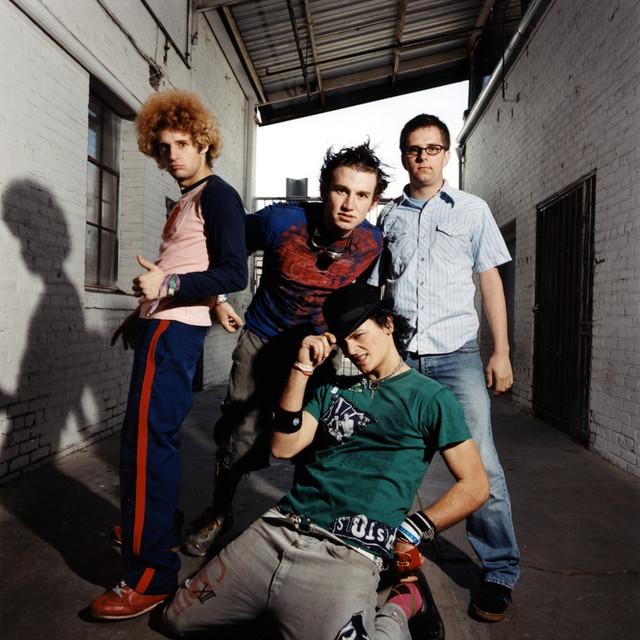
The Matches

Punk
Punk Rock
Pop Punk
 Viberate Rank: 123252
 Viberate Rank: 123252
 Monthly ListenersFollowers
 Subscribers
 Followers
 Followers
 FansTop Spotify Songs
| Track | 7-Day Streams | |
|---|---|---|
1 | 8.10K | |
2 | 5.56K | |
3 | 1.88K | |
4 | 1.66K | |
5 | 1.58K |
Top YouTube Videos| Video | 7-Day Views | |
|---|---|---|
1 | 16 | |
2 | 6 | |
3 | 1 | |
4 | 1 |
Monthly ListenersFeatured in Playlists| Playlist | Followers | |
|---|---|---|
1 |  Burnout 3: Takedown Soundtrack Mario Dominguez | 80.10K |
2 |  PHASE - 2000s emo throwbacks Jesea Lee | 39.77K |
3 |  Punk-O-Rama 1-10 CptFuzzball | 23.21K |
4 | blink-182, Sum 41 and More... Sum dude | 21.20K |
5 | Burnout 3: Takedown🔥 Christina Bråten | 18.52K |
Audience| City | Monthly Listeners | |
|---|---|---|
1 | | 772 |
2 | | 549 |
3 | | 537 |
4 |  | 495 |
5 | | 466 |
See full performance history, audience data, playlist activity, rankings, comparisons, and more in Viberate music analytics. Start with a free trial, then continue with a paid plan.
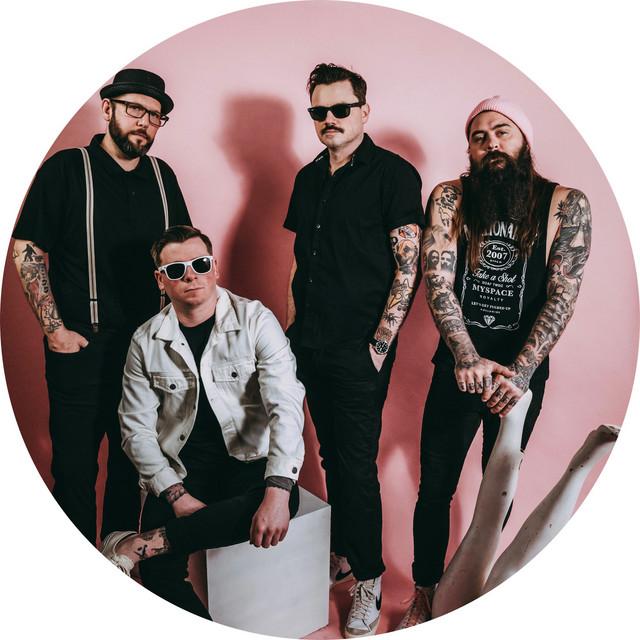
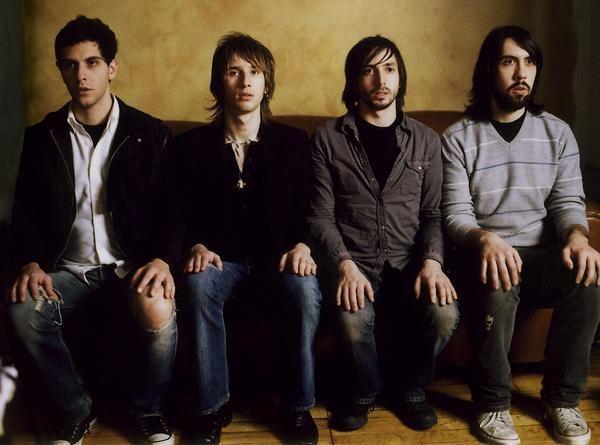
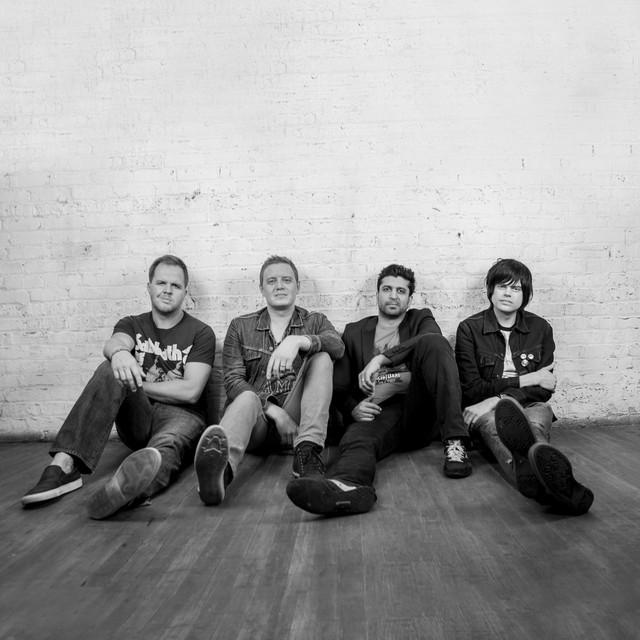
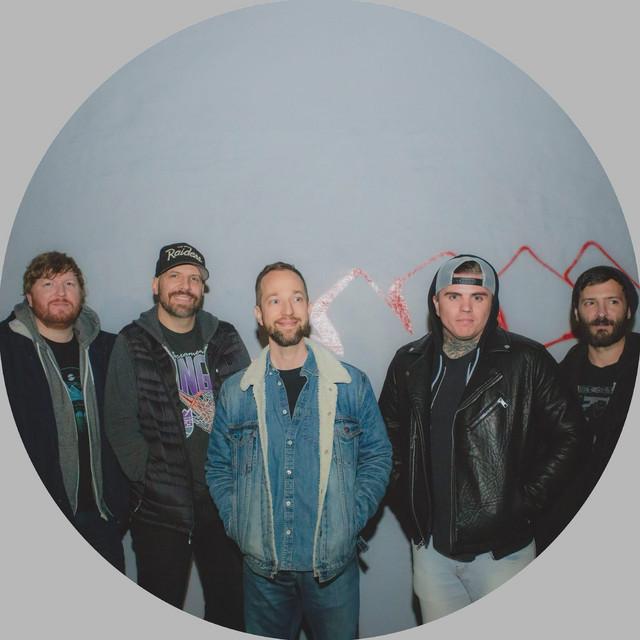
The Matches’ Spotify BioThe exuberant Oakland pop-punk outfit the Matches initially formed as the Locals in 1997 when vocalist/guitarist Shawn Harris, drummer Matt Whalen, and bassist Justin San Souci were still in the early days of high school together. Frustrated with the lack of under-21 venues in the Bay Area at the time, the guys took matters into their own hands, seizing a local warehouse that had been converted into a webcasting soundstage and launching a series of shows called L3: Live, Loud and Local. The band, which now also included guitarist Jon Devoto, initiated what they called "Commo Promo" tactics to promote the shows; they accosted people everywhere -- leaving concerts, malls, schools, dorms, restaurants, etc. -- with brief, hit-and-run, acoustic sets in the days prior to each L3 gig. Word spread quickly about the Locals and shows started selling out (about 450 kids) without any formal advertising, but soon enough, the quartet was forced to change their name after being contacted by the… Chicago band of the same name (headed by Yvonne Doll).
With their newly minted moniker in place, the Matches scrapped enough money together to put out their first record. Recorded in basements and living rooms and released in February 2003, the tongue-in-cheek-titled E. Von Dahl Killed the Locals added more fuel to the fire growing around the band up and down the West Coast. Coupled with their invigorating live show, the guys landed dates with bands like Reel Big Fish, Lit, and Zebrahead, and also contributed a track to the 2003 Immortal Records holiday benefit compilation A Santa Cause alongside bands like MxPx, New Found Glory, and Fall Out Boy. The Matches had hooked up with Epitaph by the year's end and a remixed version of E. Von Dahl (which had already sold upward of 4,000 copies) was issued through the label in April 2004. Relentless touring continued, including stints on the 2004 and 2005 Warped Tours, and the group appeared on a three-way Takeover split with Near Miss and Reeve Oliver. All this activity led up to the eventual release of their sophomore album. The more ambitious Decomposer appeared in September 2006 and was recorded with nine producers having a hand in the project, including Bad Religion's Brett Gurewitz, Rancid's Tim Armstrong, blink-182's Mark Hoppus, Goldfinger's John Feldmann and 311's Nick Hexum. After more extensive touring, in 2008, the band returned with a more heavily layered (and more uneven) record, A Band in Hope, described by Harris as "a pendulum's sway between hope and despair." ~ Corey Apar
Viberate is a music analytics platform built for A&Rs, artist managers, labels, booking agents, marketers, and artists.
It helps music professionals track artist growth, analyze audience data, monitor playlist activity, compare artists, follow song performance, and identify opportunities across the music market.
Public artist pages provide a free preview of selected artist data. Paid plans provide access to deeper analytics, historical data, charts, comparisons, playlist tools, exports, alerts, reports, and additional professional features.
Yes. Public Viberate artist pages provide selected artist analytics and music data for free.
Viberate also offers a 7-day free trial of the full platform. A credit card is required to start the trial. The trial includes access to the complete product so users can test deeper artist analytics, historical views, playlist insights, comparisons, charts, exports, alerts, and reporting features before choosing a paid plan.
Viberate provides artist analytics across streaming, playlists, social media, video, radio airplay, songs, and audience markets.
Users can analyze Spotify performance, Spotify and Apple Music playlists, YouTube activity, TikTok and Instagram growth, radio spins, song performance, audience locations, demographics, rankings, and overall artist momentum.
Artist profiles also connect to music charts, similar artists, and comparison tools, helping users benchmark performance and evaluate artists in context.
Viberate updates key artist and track data daily.
For followed artists and tracks, selected data is refreshed multiple times per day. This helps teams monitor playlist changes, streaming movement, audience growth, releases, and campaign performance with more current data.
Update frequency can vary depending on the metric and data source.
Yes. Viberate lets users compare up to five artists side by side across streaming, social media, audience, and engagement metrics.
Users can compare fanbase growth, audience demographics, locations, Spotify performance, social metrics, and other artist data over selected time periods.
Artist comparison can be used for A&R scouting, benchmarking, booking decisions, campaign planning, and evaluating artists with similar audiences or market positions.