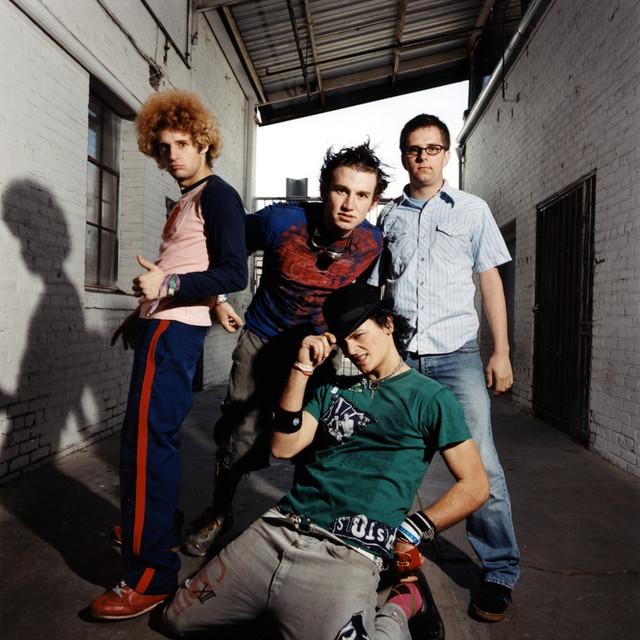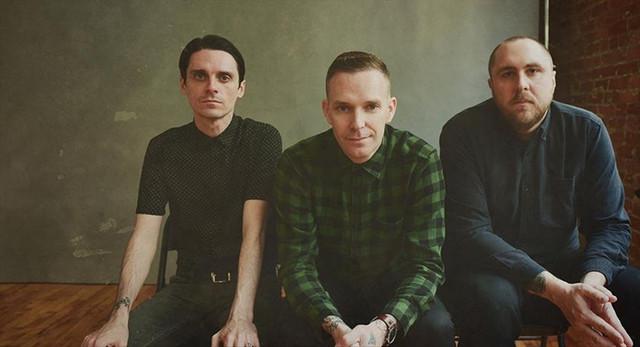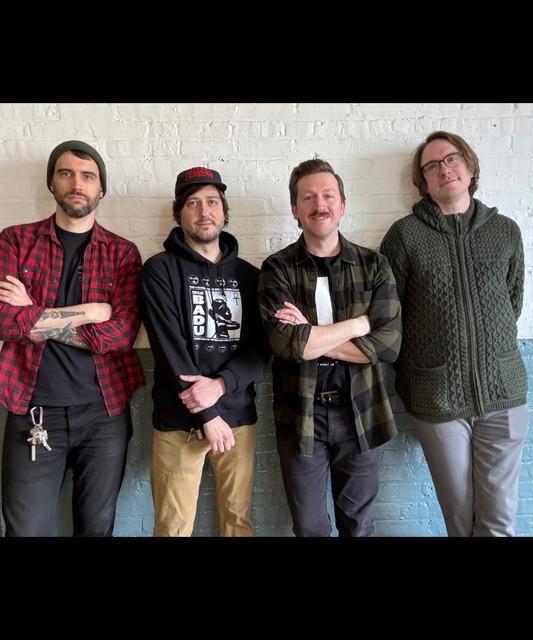
Midtown

Punk
Pop Punk
Punk Rock
 Viberate Rank: 125404
 Viberate Rank: 125404
 Monthly ListenersFollowers
 Subscribers
 Followers
 Followers
 FansTop Spotify Songs
| Track | 7-Day Streams | |
|---|---|---|
1 | 14.70K | |
2 | 10.89K | |
3 | 6.76K | |
4 | 4.23K | |
5 | 4.18K |
Top YouTube Videos| Video | 7-Day Views | |
|---|---|---|
1 | 897 | |
2 | 739 |
Monthly ListenersFeatured in Playlists| Playlist | Followers | |
|---|---|---|
1 |  Emo Forever Spotify | 1.94M |
2 |  actual emo music Aimz!! | 155.50K |
3 | igor | 97.08K |
4 |  Burnout 3: Takedown Soundtrack Mario Dominguez | 80.10K |
5 |  Teenage Dirtbag | Skate. Punk. Rock. Filtr UK | 42.38K |
Audience| City | Monthly Listeners | |
|---|---|---|
1 | | 1.59K |
2 | | 1.34K |
3 | | 1.25K |
4 | | 1.25K |
5 |  | 875 |
See full performance history, audience data, playlist activity, rankings, comparisons, and more in Viberate music analytics. Start with a free trial, then continue with a paid plan.
Midtown’s Spotify BioFormed in November 1998 by three Rutgers students, Midtown soon became an energetic quartet comprised of Gabe Saporta (vocals/bass), Rob Hitt (drums), Tyler Rann (guitar/vocals), and Heath Saraceno (guitar/vocals). Taking advantage of the fertile New Jersey punk scene to develop a unique sound that combined elements of emo and hardcore, Midtown began recording shortly after their formation. Their debut EP, Sacrifice of Life, was issued by Pinball Records in 1999. Their first full-length, Save the World, Lose the Girl, was released in early 2000 by their friends at Drive-Thru Records and was soon picked up for distribution by MCA. Midtown spent five months starting in the fall of 2001 recording their follow-up album; Living Well Is the Best Revenge appeared in April 2002.
Nonstop touring followed, including a headlining tour throughout the U.S., Japan, and U.K. Midtown played a slew of European dates with the likeminded Jimmy Eat World as well. Back at home by January of 2003, tensions… that had been growing between the band and Drive-Thru over feelings of unfair treatment came to a head. Unhappy throughout the drama, Midtown finally managed to extricate themselves from their contract with the label. Down but definitely not out, the guys got together with producer Butch Walker to record the songs that would become their next album, the moodier Forget What You Know, in November. After the band shopped it around to various labels, the record was picked up by Columbia and released in June 2004. ~ Stacia Proefrock & Corey Apar, Rovi
Viberate is a music analytics platform built for A&Rs, artist managers, labels, booking agents, marketers, and artists.
It helps music professionals track artist growth, analyze audience data, monitor playlist activity, compare artists, follow song performance, and identify opportunities across the music market.
Public artist pages provide a free preview of selected artist data. Paid plans provide access to deeper analytics, historical data, charts, comparisons, playlist tools, exports, alerts, reports, and additional professional features.
Yes. Public Viberate artist pages provide selected artist analytics and music data for free.
Viberate also offers a 7-day free trial of the full platform. A credit card is required to start the trial. The trial includes access to the complete product so users can test deeper artist analytics, historical views, playlist insights, comparisons, charts, exports, alerts, and reporting features before choosing a paid plan.
Viberate provides artist analytics across streaming, playlists, social media, video, radio airplay, songs, and audience markets.
Users can analyze Spotify performance, Spotify and Apple Music playlists, YouTube activity, TikTok and Instagram growth, radio spins, song performance, audience locations, demographics, rankings, and overall artist momentum.
Artist profiles also connect to music charts, similar artists, and comparison tools, helping users benchmark performance and evaluate artists in context.
Viberate updates key artist and track data daily.
For followed artists and tracks, selected data is refreshed multiple times per day. This helps teams monitor playlist changes, streaming movement, audience growth, releases, and campaign performance with more current data.
Update frequency can vary depending on the metric and data source.
Yes. Viberate lets users compare up to five artists side by side across streaming, social media, audience, and engagement metrics.
Users can compare fanbase growth, audience demographics, locations, Spotify performance, social metrics, and other artist data over selected time periods.
Artist comparison can be used for A&R scouting, benchmarking, booking decisions, campaign planning, and evaluating artists with similar audiences or market positions.