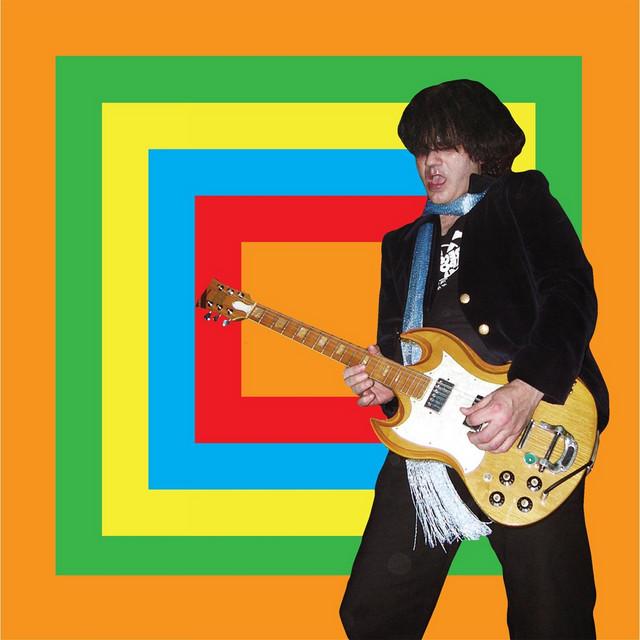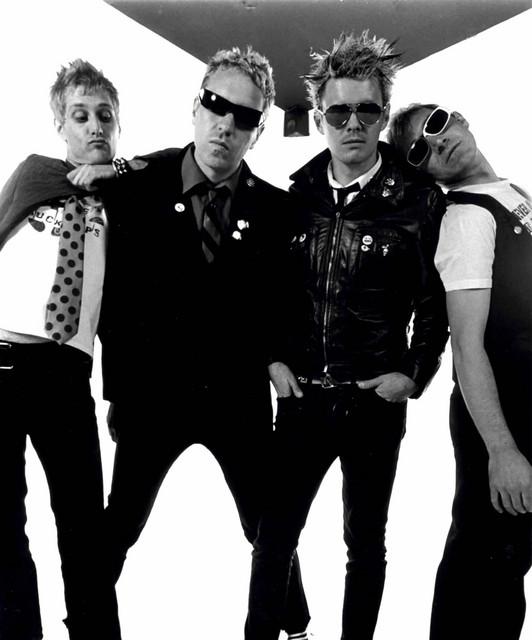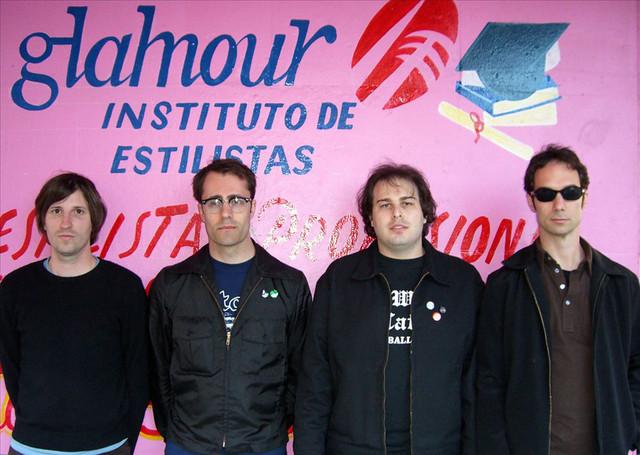
The Marked Men

Punk
Punk Rock
Power Pop
 Viberate Rank: 241577
 Viberate Rank: 241577
 Monthly ListenersFollowers
 Subscribers
 Followers
 Followers
 FansTop Spotify Songs
| Track | 7-Day Streams | |
|---|---|---|
1 | 1.62K | |
2 | 786 | |
3 | 720 | |
4 | 459 | |
5 | 394 |
Top YouTube VideosMonthly ListenersFeatured in Playlists| Playlist | Followers | |
|---|---|---|
1 |  The Sound of Everything The Sounds of Spotify | 53.81K |
2 |  underground indie rock but it’s actually underground Traintle | 15.29K |
3 |  El Sótano de Radio 3 Groovyfamily | 9.84K |
4 |  Garage Punk / Lo-Fi Nick Seaney | 5.40K |
5 |  Punk Rock Radio Nick Worthington | 4.83K |
Audience| City | Monthly Listeners | |
|---|---|---|
1 | | 262 |
2 | | 220 |
3 | | 193 |
4 | | 156 |
5 | | 151 |
See full performance history, audience data, playlist activity, rankings, comparisons, and more in Viberate music analytics. Start with a free trial, then continue with a paid plan.
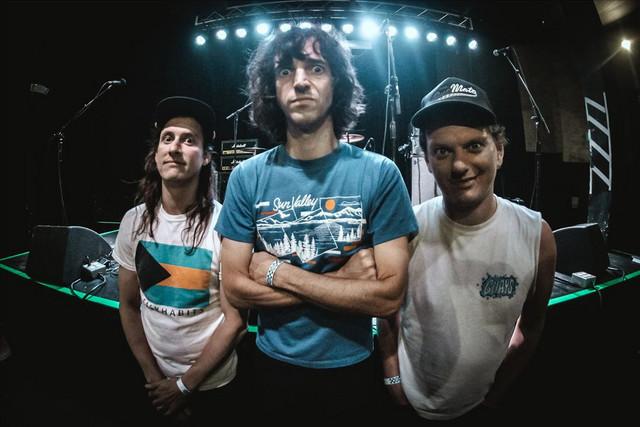
The Marked Men’s Spotify BioThe Marked Men's energy-packed mix of leather-clad punk with tough garage rock guitars, urgent vocals, and a tight rhythm section proved to be a very influential one. While many bands followed in their footsteps, few captured the magic the quartet did. With two songwriters, Jeff Burke and Mark Ryan, tossing out instant classic rockers, the band hit the ground fully formed with their debut self-titled album in 2003. They only got tighter and tougher as time went on, and their skills at crafting hooks grew as well. Albums like 2006's Fix My Brain and 2008's Ghosts are garage punk of the highest caliber.
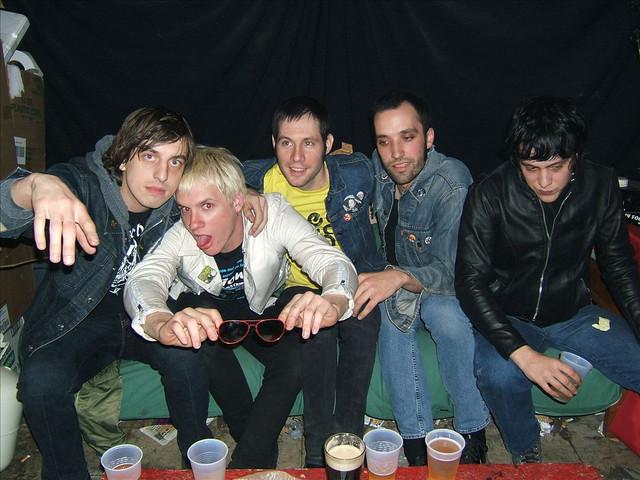
The Denton, Texas band formed in 2003 when guitarist/vocalists Ryan, Burke, and drummer Mike Throneberry's punk band the Reds lost their bass player. The trio added Joe Ayoub and renamed themselves before releasing a single for Mortville Records. Their self-titled full-length followed quickly in 2003 on Rip-Off Records. These early recordings had all the rugged punk energy they had when… they were the Reds, but had a tighter sound and more compelling melodies. By the time of 2004's album On the Outside, both Ryan and Burke had upped their songwriting game to form a garage punk double threat. It was their first record released by Dirtnap. Around this time, Ryan and Burke joined with Riverboat Gamblers singer Mike Wiebe to form the new wave-leaning High Tension Wires, releasing their self-titled debut on Dirtnap in 2004. Meanwhile, the Marked Men kept cranking out records, releasing a single in 2005 for Shit Sandwich Records and a split single with the Sultans and the Heartaches for Swami Records. That label released the group's next long-player, Fix My Brain, in 2006. A High Tension Wires album was up next, this time with Throneberry handling the drums on 2007's Midnight Cashier.
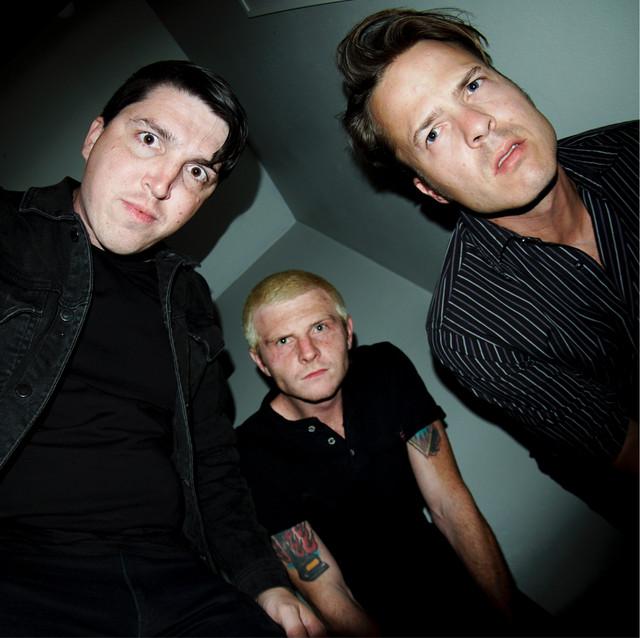
The Marked Men's world changed dramatically in 2008 when, after the release of their fourth album Ghosts, Burke moved to Japan. Not surprisingly, the group went on hiatus. Ryan shifted his attention to a new band called Mind Spiders, taking Throneberry along to play drums. While in Japan, Burke formed a power pop band called the Novice with local musicians.
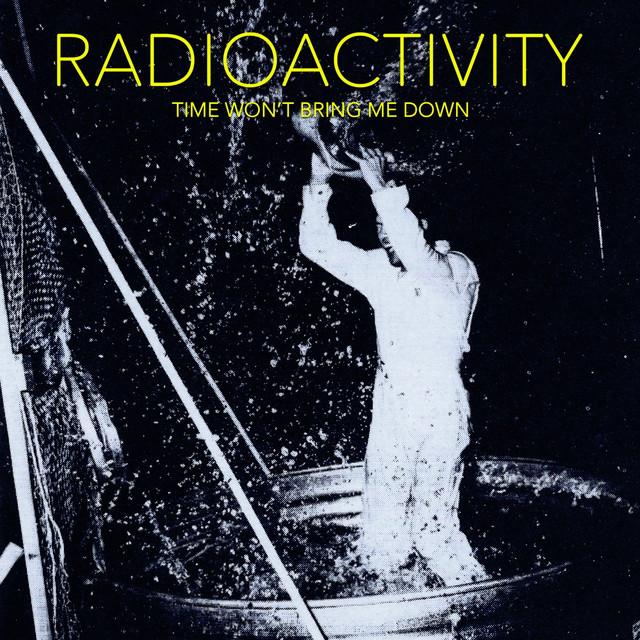
The Marked Men weren't defunct, though, issuing two split singles in 2009 and the "It's On" single in 2010. That would prove to be their last recording session for a long time and no more music came out under their name until 2018's singles collection On the Other Side. Ryan and Burke did play together in Radioactivity, the band the latter formed when he moved back to Texas. The Marked Men also played the occasional show when they could and the band's members all stayed busy: Ryan with the increasingly synth-heavy Mind Spiders, Burke with Radioactivity and Lost Balloons (a collaboration with Yusuke Okada of Japanese band Suspicious Beasts), and Ayoub with Low Culture. ~ Tim Sendra, Rovi
Viberate is a music analytics platform built for A&Rs, artist managers, labels, booking agents, marketers, and artists.
It helps music professionals track artist growth, analyze audience data, monitor playlist activity, compare artists, follow song performance, and identify opportunities across the music market.
Public artist pages provide a free preview of selected artist data. Paid plans provide access to deeper analytics, historical data, charts, comparisons, playlist tools, exports, alerts, reports, and additional professional features.
Yes. Public Viberate artist pages provide selected artist analytics and music data for free.
Viberate also offers a 7-day free trial of the full platform. A credit card is required to start the trial. The trial includes access to the complete product so users can test deeper artist analytics, historical views, playlist insights, comparisons, charts, exports, alerts, and reporting features before choosing a paid plan.
Viberate provides artist analytics across streaming, playlists, social media, video, radio airplay, songs, and audience markets.
Users can analyze Spotify performance, Spotify and Apple Music playlists, YouTube activity, TikTok and Instagram growth, radio spins, song performance, audience locations, demographics, rankings, and overall artist momentum.
Artist profiles also connect to music charts, similar artists, and comparison tools, helping users benchmark performance and evaluate artists in context.
Viberate updates key artist and track data daily.
For followed artists and tracks, selected data is refreshed multiple times per day. This helps teams monitor playlist changes, streaming movement, audience growth, releases, and campaign performance with more current data.
Update frequency can vary depending on the metric and data source.
Yes. Viberate lets users compare up to five artists side by side across streaming, social media, audience, and engagement metrics.
Users can compare fanbase growth, audience demographics, locations, Spotify performance, social metrics, and other artist data over selected time periods.
Artist comparison can be used for A&R scouting, benchmarking, booking decisions, campaign planning, and evaluating artists with similar audiences or market positions.