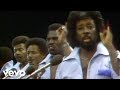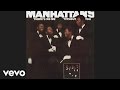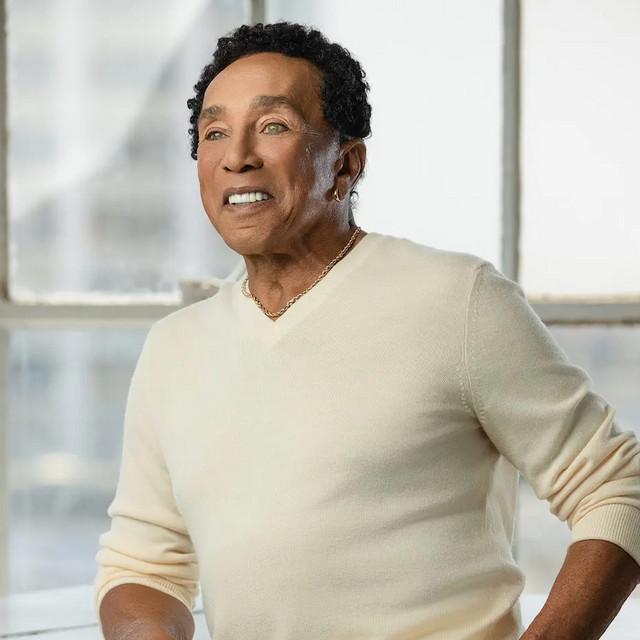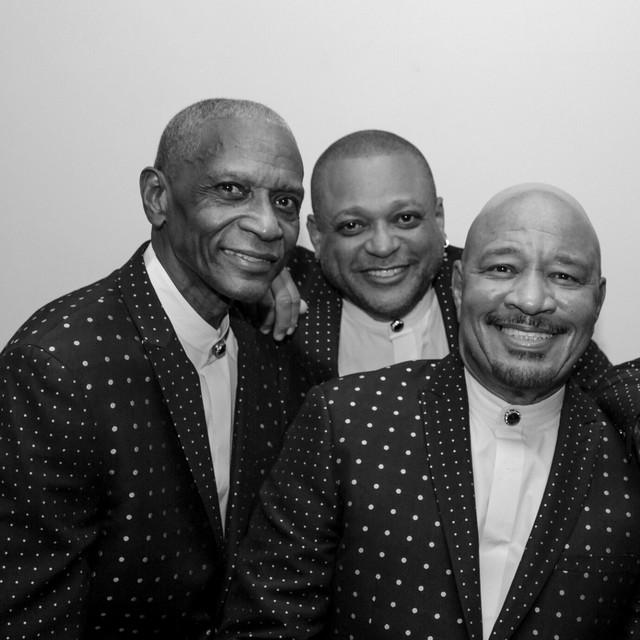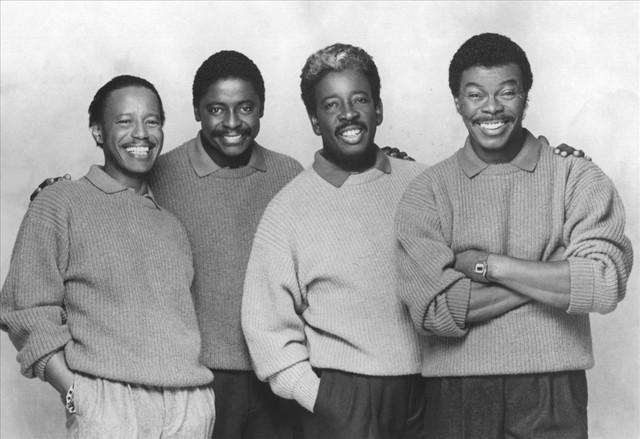
The Manhattans

R&B
Contemporary R&B
Soul
Funk
 Viberate Rank: 17879
 Viberate Rank: 17879
 Monthly ListenersFollowers
 Subscribers
 Followers
 Followers
 FansTop Spotify Songs
| Track | 7-Day Streams | |
|---|---|---|
1 | 357.39K | |
2 | 137.79K | |
3 | 89.47K | |
4 | 25.26K | |
5 | 23.90K |
Top YouTube VideosMonthly ListenersFeatured in Playlists| Playlist | Followers | |
|---|---|---|
1 |  Soft 70s Spotify | 1.19M |
2 |  Embalos de sábado à noite - anos 70, 80 e 90. Embalos de sabádo a noite | 778.25K |
3 |  70s HITS | TOP 100 SONGS Filtr US | 771.22K |
4 |  Timeless Soul Ballads Spotify | 377.44K |
5 |  Love Songs - Anos 80s 90s - Só As Melhores Internacionais Seu Gosto Pop | 233.48K |
Audience| City | Monthly Listeners | |
|---|---|---|
1 |  | 69.06K |
2 |  | 61.49K |
3 | | 33.81K |
4 | | 21.34K |
5 |  | 20.29K |
See full performance history, audience data, playlist activity, rankings, comparisons, and more in Viberate music analytics. Start with a free trial, then continue with a paid plan.
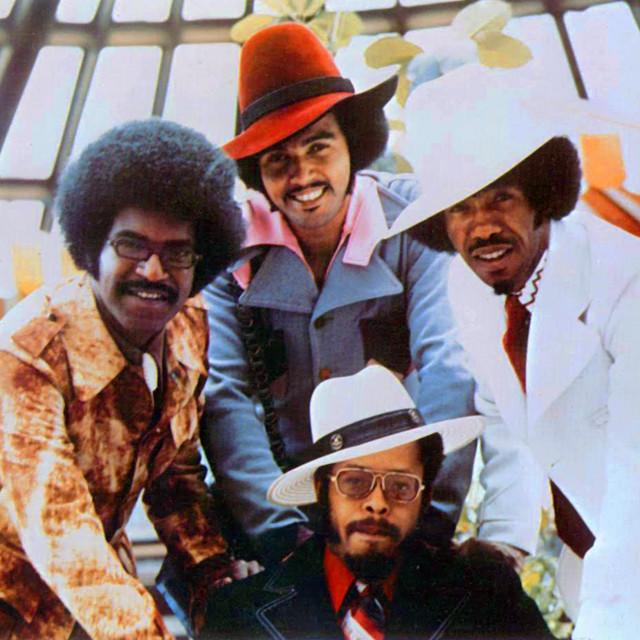
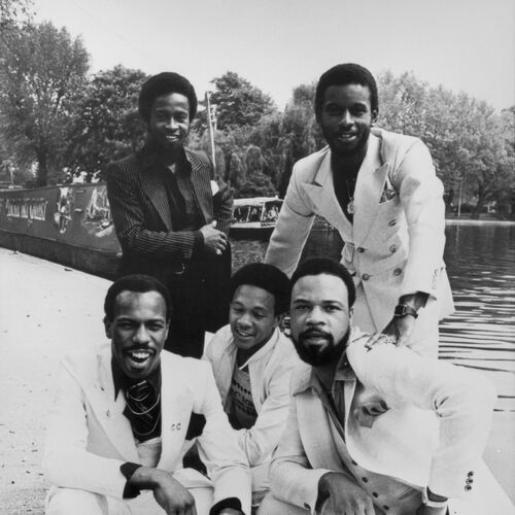
The Manhattans’ Spotify BioThe Manhattans were one of those classic R&B vocal groups who manage to achieve incredible career longevity by adapting their style to fit changing times. Formed in the '60s as a doo wop-influenced R&B quintet, the Manhattans reinvented themselves as sweet smooth soul balladeers during the '70s. In doing so, they somehow overcame the death of lead singer George Smith, and with new frontman Gerald Alston became more popular than they'd ever been, landing an across-the-board number one hit in 1976 with "Kiss and Say Goodbye." Under the leadership of Winfred "Blue" Lovett (who also composed some of the group's biggest hits), the Manhattans survived as a viable chart act well into the '80s, over two decades after their formation.
The Manhattans got together not in their namesake location, but in nearby Jersey City, New Jersey, in 1962. The group was centered around lead singer George "Smitty" Smith and bass (and sometime lead) vocalist Winfred "Blue" Lovett; the other original members were… Kenny Kelley, Richard Taylor, and Edward "Sonny" Bivins, the latter of whom sometimes co-wrote material with accomplished songwriter Lovett. In 1964, the Manhattans signed with the Newark-based Carnival label and teamed up with producer Joe Evans; they scored their first hit in early 1965 with "I Wanna Be (Your Everything)," a number 12 R&B hit that established their way with a ballad right from the start. It was the first of eight singles for Carnival, a string that continued up through 1967. None were huge hits, but nearly all of them reached the Top 30 on the R&B charts, and are still prized by collectors of vocal-group soul for their aching harmonies, Smith's intense leads, and lack of concession to mainstream pop audiences.
In 1969, the Manhattans signed on with DeLuxe and issued several singles over the course of 1970. Unfortunately, Smith fell ill that year, and the group hired Phil Terrell as a temporary fill-in. Sadly, Smith passed away in 1971; he was replaced on lead vocals by Gerald Alston, who brought a smoother, more pop-friendly sound to the group. That quality soon became apparent when the Lovett-penned "One Life to Live" zoomed into the R&B Top Five in late 1972, giving the Manhattans their first major hit. The following year, they left DeLuxe for Columbia, where their debut single, "There's No Me Without You" (written by Sonny Bivins), equaled the R&B chart peak of "One Life to Live" by reaching number three. Initially working with producer Bobby Martin, the Manhattans' records now fell into line with the sweet, string-laden sound of contemporary '70s soul. The Manhattans hit the R&B Top Ten again in 1974 with "Don't Take Your Love" and 1975 with "Hurt," but their biggest success was still to come.
In early 1975, the Manhattans had recorded a Blue Lovett composition called "Kiss and Say Goodbye," which was released as a single almost a full year later. It became the second platinum single in history (after Johnnie Taylor's "Disco Lady") and their first number one hit in the spring of 1976, not just on the R&B charts, but the pop side as well -- a remarkable feat, considering that they'd never had a single peak higher than number 37 on that survey. While it proved difficult to match the crossover success of "Kiss and Say Goodbye," the Manhattans reeled off a string of Top Ten R&B hits -- "I Kinda Miss You," "It Feels So Good to Be Loved So Bad," "We Never Danced to a Love Song," and "Am I Losing You" -- that lasted into early 1978 and made them staples on the newly emerging quiet storm radio format. Their momentum slowed over the next couple of years, but they came back strong in 1980 with "Shining Star" -- not a cover of the Earth, Wind & Fire hit, but a co-write by their new producer Leo Graham. "Shining Star" reached the Top Five on both the pop and R&B charts, went gold, and won a Grammy -- overall, not a bad haul.
The Manhattans' last major hit came with 1983's "Crazy," which put them in the R&B Top Five for the final time; they bade farewell to the Top 40 in 1985 with a cover of Sam Cooke's "You Send Me." That year Richard Taylor left the group, which carried on as a quartet for a few years; Taylor passed away in December 1987. Gerald Alston signed with Motown as a solo artist in 1988, upon which point the group finally parted ways with Columbia and recorded an album for the small Valley Vue label before disbanding. Alston and Lovett reunited in 1993; with new members Troy May and David Tyson, they toured regularly into the new millennium, with the occasional recording appearing on a small label. In 2021, they issued the album The Legacy Continues -- one of the last recording projects for David Tyson, who died on February 17, 2022. ~ Steve Huey, Rovi
Viberate is a music analytics platform built for A&Rs, artist managers, labels, booking agents, marketers, and artists.
It helps music professionals track artist growth, analyze audience data, monitor playlist activity, compare artists, follow song performance, and identify opportunities across the music market.
Public artist pages provide a free preview of selected artist data. Paid plans provide access to deeper analytics, historical data, charts, comparisons, playlist tools, exports, alerts, reports, and additional professional features.
Yes. Public Viberate artist pages provide selected artist analytics and music data for free.
Viberate also offers a 7-day free trial of the full platform. A credit card is required to start the trial. The trial includes access to the complete product so users can test deeper artist analytics, historical views, playlist insights, comparisons, charts, exports, alerts, and reporting features before choosing a paid plan.
Viberate provides artist analytics across streaming, playlists, social media, video, radio airplay, songs, and audience markets.
Users can analyze Spotify performance, Spotify and Apple Music playlists, YouTube activity, TikTok and Instagram growth, radio spins, song performance, audience locations, demographics, rankings, and overall artist momentum.
Artist profiles also connect to music charts, similar artists, and comparison tools, helping users benchmark performance and evaluate artists in context.
Viberate updates key artist and track data daily.
For followed artists and tracks, selected data is refreshed multiple times per day. This helps teams monitor playlist changes, streaming movement, audience growth, releases, and campaign performance with more current data.
Update frequency can vary depending on the metric and data source.
Yes. Viberate lets users compare up to five artists side by side across streaming, social media, audience, and engagement metrics.
Users can compare fanbase growth, audience demographics, locations, Spotify performance, social metrics, and other artist data over selected time periods.
Artist comparison can be used for A&R scouting, benchmarking, booking decisions, campaign planning, and evaluating artists with similar audiences or market positions.