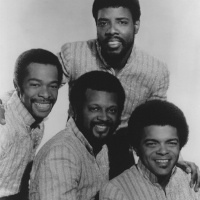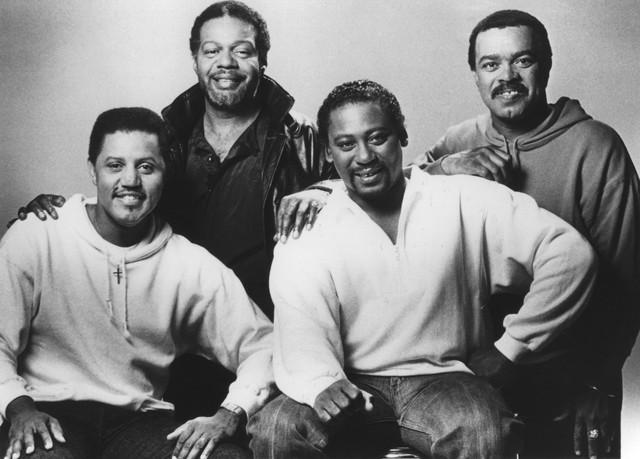
The Mad Lads

R&B
Soul
 Viberate Rank: 125485
 Viberate Rank: 125485
 Monthly ListenersFollowers
 Subscribers
 Followers
 Followers
 FansTop Spotify Songs
| Track | 7-Day Streams | |
|---|---|---|
1 | 22.38K | |
2 | 12.84K | |
3 | 9.23K | |
4 | 8.44K | |
5 | 3.93K |
Top YouTube VideosMonthly ListenersFeatured in Playlists| Playlist | Followers | |
|---|---|---|
1 | Lowrider oldies Pinchekodiak | 91.33K |
2 |  Chicano Oldies DCCII.Angel | 81.51K |
3 |  oldies 🎭 darlingbaby❤️🔥 | 58.88K |
4 | Oldies but Goodies 🤘🏼JoseLuis 🤘🏼 | 51.08K |
5 |  East Side Story Volumes 1-12 Darius Chavez-Martinez | 40.09K |
Audience| City | Monthly Listeners | |
|---|---|---|
1 | | 8.98K |
2 | | 2.88K |
3 | | 2.55K |
4 | | 2.22K |
5 | | 2.13K |
See full performance history, audience data, playlist activity, rankings, comparisons, and more in Viberate music analytics. Start with a free trial, then continue with a paid plan.
The Mad Lads’ Spotify BioOne of the few vocal groups on the Stax roster during the '60s, the Mad Lads' doo wop-influenced harmonies -- featuring the high, innocent tenor of John Gary Williams -- were more akin to what you might find in Philadelphia soul acts than those of their native Memphis. The group members were still in high school when the Mad Lads were signed to Stax in late 1964. In the mid-'60s, they enjoyed solid R&B hits with "Don't Have to Shop Around," "I Want Someone," and "I Want a Girl," although they never would cross over to the pop audience. Williams and fellow Mad Lad William Brown were drafted in 1966, and their recording career was suspended while they were in the service (although they carried on live with replacements). After their discharge, Williams and Brown were told by fellow original members Julius Green and Robert Philips that they didn't want Brown in the group; Brown and Stax co-owner Jim Stewart forced them to reinstate Williams, but their subsequent efforts were more in the… Stax soul/funk formula, and not as memorable as their more atypical mid-'60s singles. They did return to the R&B Top 30 in 1968 with "Whatever Hurts You." ~ Richie Unterberger
Viberate is a music analytics platform built for A&Rs, artist managers, labels, booking agents, marketers, and artists.
It helps music professionals track artist growth, analyze audience data, monitor playlist activity, compare artists, follow song performance, and identify opportunities across the music market.
Public artist pages provide a free preview of selected artist data. Paid plans provide access to deeper analytics, historical data, charts, comparisons, playlist tools, exports, alerts, reports, and additional professional features.
Yes. Public Viberate artist pages provide selected artist analytics and music data for free.
Viberate also offers a 7-day free trial of the full platform. A credit card is required to start the trial. The trial includes access to the complete product so users can test deeper artist analytics, historical views, playlist insights, comparisons, charts, exports, alerts, and reporting features before choosing a paid plan.
Viberate provides artist analytics across streaming, playlists, social media, video, radio airplay, songs, and audience markets.
Users can analyze Spotify performance, Spotify and Apple Music playlists, YouTube activity, TikTok and Instagram growth, radio spins, song performance, audience locations, demographics, rankings, and overall artist momentum.
Artist profiles also connect to music charts, similar artists, and comparison tools, helping users benchmark performance and evaluate artists in context.
Viberate updates key artist and track data daily.
For followed artists and tracks, selected data is refreshed multiple times per day. This helps teams monitor playlist changes, streaming movement, audience growth, releases, and campaign performance with more current data.
Update frequency can vary depending on the metric and data source.
Yes. Viberate lets users compare up to five artists side by side across streaming, social media, audience, and engagement metrics.
Users can compare fanbase growth, audience demographics, locations, Spotify performance, social metrics, and other artist data over selected time periods.
Artist comparison can be used for A&R scouting, benchmarking, booking decisions, campaign planning, and evaluating artists with similar audiences or market positions.