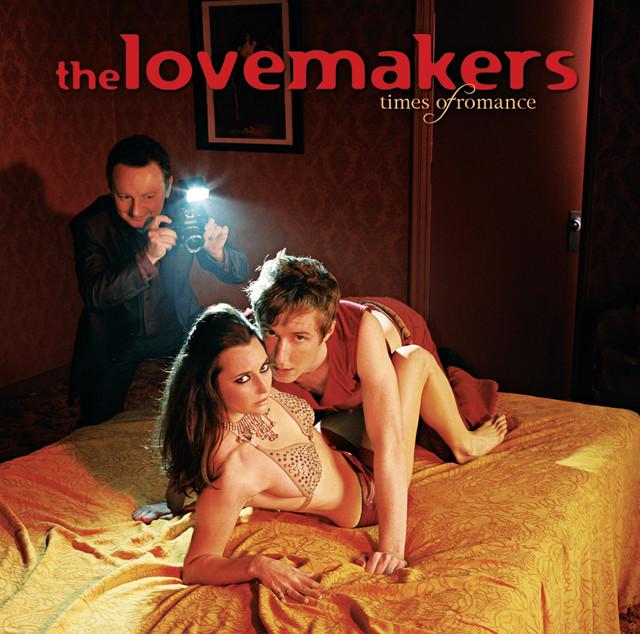
The Lovemakers

Pop
Indie Pop
Indie Rock
 Viberate Rank: 358897
 Viberate Rank: 358897
 Monthly ListenersFollowers
 Subscribers
 Followers
 Followers
 FansTop Spotify Songs
| Track | 7-Day Streams | |
|---|---|---|
1 | 551 | |
2 | 445 | |
3 | 282 | |
4 | 162 | |
5 | 116 |
Top YouTube Videos| Video | 7-Day Views | |
|---|---|---|
1 | 2 |
Monthly ListenersFeatured in Playlists| Playlist | Followers | |
|---|---|---|
1 | Gossip Girl Soundtrack Becca Booker | 6.94K |
2 |  DISCO - FUNKY - HOUSE Alexander Speelmans | 2.70K |
3 |  Millennial ADHD mix animelover707 | 2.27K |
4 |  80s-esque Glenn Rubenstein | 1.76K |
5 | Garlands Society Liverpool Classics leonflem | 1.33K |
Audience| City | Monthly Listeners | |
|---|---|---|
1 | | 42 |
2 | | 38 |
3 | | 38 |
4 | | 33 |
5 | | 31 |
See full performance history, audience data, playlist activity, rankings, comparisons, and more in Viberate music analytics. Start with a free trial, then continue with a paid plan.
The Lovemakers’ Spotify BioChic, dance-friendly, and shot through with mischievous sex appeal, Bay Area indie rockers the Lovemakers earned a dedicated local following in the early 2000s thanks in no small part to their sultry image. Lisa Light and Scott Blonde met in Oakland, CA, in 2002 via Blonde's manager, whom Light was dating. Light ditched the manager for Blonde and joined his band, Applesaucer, before the year was out. The chemistry between the two was evidently too much for the band to handle, however, and the two were purportedly kicked out of Applesaucer for making out during band practice. Unabashed, the two musicians dubbed themselves the Lovemakers (taken from a Japanese porn flick called The Weird Lovemakers) and struck out on their own. Light and Blonde recruited a keyboardist, Jason Proctor, and got to work on a homemade, self-titled EP. Released in 2003, the disc became quite popular in the Oakland area, selling out at local record stores and earning the group an avid following at its live… shows. Their EP began to get local radio play, studio reps started showing up at the band's gigs, and soon enough the group was snatched up by Interscope. Things were going well for the band, but rock stardom put a strain on Light and Blonde's relationship; they broke up only weeks before they were scheduled to record their debut album. Undaunted, the group headed into the studio and recorded Times of Romance, a sweaty, glittery, disco-laden affair that hit stores in late summer 2005. Chief among the album's offerings was a single called "Shake That Ass," an indie re-imagining of 50 Cent's "Shake That Ass Girl." The group recruited a drummer, Ken Hard (formerly of Oasis), and moved to a new label, Fuzz, Inc., over the course of the next two years. Their sophomore EP, Misery Loves Company, came out in 2007. ~ TiVo Staff, Rovi
Viberate is a music analytics platform built for A&Rs, artist managers, labels, booking agents, marketers, and artists.
It helps music professionals track artist growth, analyze audience data, monitor playlist activity, compare artists, follow song performance, and identify opportunities across the music market.
Public artist pages provide a free preview of selected artist data. Paid plans provide access to deeper analytics, historical data, charts, comparisons, playlist tools, exports, alerts, reports, and additional professional features.
Yes. Public Viberate artist pages provide selected artist analytics and music data for free.
Viberate also offers a 7-day free trial of the full platform. A credit card is required to start the trial. The trial includes access to the complete product so users can test deeper artist analytics, historical views, playlist insights, comparisons, charts, exports, alerts, and reporting features before choosing a paid plan.
Viberate provides artist analytics across streaming, playlists, social media, video, radio airplay, songs, and audience markets.
Users can analyze Spotify performance, Spotify and Apple Music playlists, YouTube activity, TikTok and Instagram growth, radio spins, song performance, audience locations, demographics, rankings, and overall artist momentum.
Artist profiles also connect to music charts, similar artists, and comparison tools, helping users benchmark performance and evaluate artists in context.
Viberate updates key artist and track data daily.
For followed artists and tracks, selected data is refreshed multiple times per day. This helps teams monitor playlist changes, streaming movement, audience growth, releases, and campaign performance with more current data.
Update frequency can vary depending on the metric and data source.
Yes. Viberate lets users compare up to five artists side by side across streaming, social media, audience, and engagement metrics.
Users can compare fanbase growth, audience demographics, locations, Spotify performance, social metrics, and other artist data over selected time periods.
Artist comparison can be used for A&R scouting, benchmarking, booking decisions, campaign planning, and evaluating artists with similar audiences or market positions.