Clear Static

Rock
Alternative Rock
 Viberate Rank: 658056
 Viberate Rank: 658056
 Monthly ListenersFollowers
 Subscribers
 Followers
 Followers
 FansTop Spotify Songs
| Track | 7-Day Streams | |
|---|---|---|
1 | 73 | |
2 | 32 | |
3 | 21 | |
4 | 17 | |
5 | 16 |
Top YouTube VideosMonthly ListenersFeatured in Playlists| Playlist | Followers | |
|---|---|---|
1 | songs that made me sad #eldersemos Katrina Cahill | 2.92K |
2 |  The Sound of Dance Rock The Sounds of Spotify | 2.41K |
3 | Best Cover Songs in one Playlist Felix Meirich | 1.26K |
Audience| City | Monthly Listeners | |
|---|---|---|
1 | | 13 |
2 | | 9 |
3 | | 7 |
4 | | 7 |
5 | | 7 |
See full performance history, audience data, playlist activity, rankings, comparisons, and more in Viberate music analytics. Start with a free trial, then continue with a paid plan.
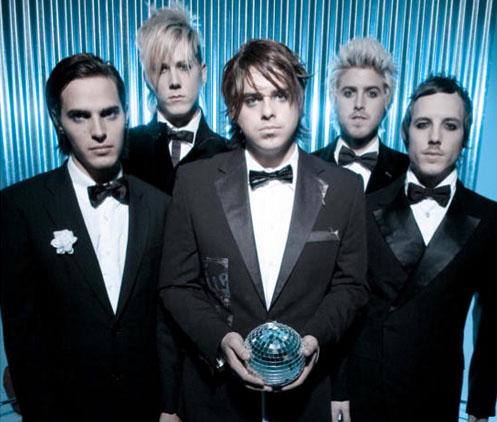
Clear Static’s Spotify BioGrowing up near Hollywood, the guys of Clear Static initially came together when most of the quintet's members were barely in their teens. Pre-adolescents Tom Pederson (vocals) and Michael David (guitar/synth) became friends at a neighborhood party and soon began writing songs together. In time, they decided to expand their burgeoning band to included Pederson's older brother Rich (bass) and grade-school friends Danny Kincaid (guitar) and Jacob Shearer (drums). Like many young musicians, several of Clear Static's members started whetting their musical palates in the realms of punk -- but in their desire to be more capable musicians, the guys were soon drawn to '80s bands like the Fixx, Naked Eyes, and Roxy Music. This type of music ultimately inspired Clear Static's maturation into a stylish band that boasted a high-fashion attitude and retro-rock sound with a modern twist.
Clear Static started gigging around town when most of the bandmembers were around 13, promoting themselves with… self-designed, Photoshop-executed posters contrary to the usual handwritten fliers of their peers. At first, their youth limited the group to playing solely all-ages venues. However, as their popularity grew with every demo sold, clubs like the Viper Room, the Key Club, and the Troubadour took an interest in booking them as well. Clear Static were even asked by one of their idols, Duran Duran, to open various U.K. and U.S. dates for them in early 2005. That same year, the group began recording its self-titled debut, which was released in May 2006 on Maverick. ~ Corey Apar, Rovi
Viberate is a music analytics platform built for A&Rs, artist managers, labels, booking agents, marketers, and artists.
It helps music professionals track artist growth, analyze audience data, monitor playlist activity, compare artists, follow song performance, and identify opportunities across the music market.
Public artist pages provide a free preview of selected artist data. Paid plans provide access to deeper analytics, historical data, charts, comparisons, playlist tools, exports, alerts, reports, and additional professional features.
Yes. Public Viberate artist pages provide selected artist analytics and music data for free.
Viberate also offers a 7-day free trial of the full platform. A credit card is required to start the trial. The trial includes access to the complete product so users can test deeper artist analytics, historical views, playlist insights, comparisons, charts, exports, alerts, and reporting features before choosing a paid plan.
Viberate provides artist analytics across streaming, playlists, social media, video, radio airplay, songs, and audience markets.
Users can analyze Spotify performance, Spotify and Apple Music playlists, YouTube activity, TikTok and Instagram growth, radio spins, song performance, audience locations, demographics, rankings, and overall artist momentum.
Artist profiles also connect to music charts, similar artists, and comparison tools, helping users benchmark performance and evaluate artists in context.
Viberate updates key artist and track data daily.
For followed artists and tracks, selected data is refreshed multiple times per day. This helps teams monitor playlist changes, streaming movement, audience growth, releases, and campaign performance with more current data.
Update frequency can vary depending on the metric and data source.
Yes. Viberate lets users compare up to five artists side by side across streaming, social media, audience, and engagement metrics.
Users can compare fanbase growth, audience demographics, locations, Spotify performance, social metrics, and other artist data over selected time periods.
Artist comparison can be used for A&R scouting, benchmarking, booking decisions, campaign planning, and evaluating artists with similar audiences or market positions.