The Like

Rock
Indie Rock
Garage Rock
 Viberate Rank: 158168
 Viberate Rank: 158168
 Monthly ListenersFollowers
 Subscribers
 Followers
 Followers
 FansTop Spotify Songs
| Track | 7-Day Streams | |
|---|---|---|
1 | 4.09K | |
2 | 1.76K | |
3 | 779 | |
4 | 687 | |
5 | 480 |
Top YouTube Videos| Video | 7-Day Views | |
|---|---|---|
1 | 421 | |
2 | 328 | |
3 | 132 |
Monthly ListenersFeatured in Playlists| Playlist | Followers | |
|---|---|---|
1 |  Witchy Songs 🔮🌙 Sarah | 97.70K |
2 |  Thirteen playlist★。゜☆ Klucha | 55.10K |
3 |  Y2k grunge Ludmila Wanderley | 43.78K |
4 | lisa_anthem | 35.27K |
5 | Unofficial Reverb Radio Jeff Ferruzzo | 21.82K |
Audience| City | Monthly Listeners | |
|---|---|---|
1 | | 398 |
2 | | 270 |
3 | | 236 |
4 |  | 181 |
5 | | 173 |
See full performance history, audience data, playlist activity, rankings, comparisons, and more in Viberate music analytics. Start with a free trial, then continue with a paid plan.
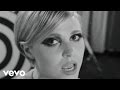
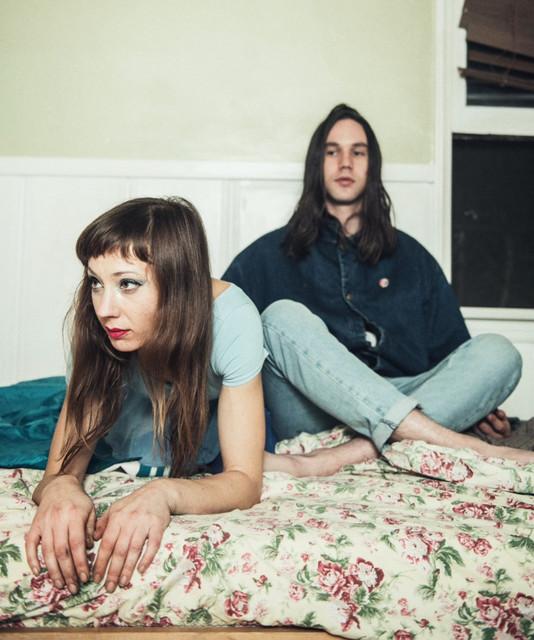
The Like’s Spotify BioFormed in 2001 when the members of the band were still in their teens, Los Angeles' the Like featured Charlotte Froom (bass), Tennessee Thomas (drums), and Z. Berg (vocals). Initially influenced by the Sundays, Throwing Muses, and the Pretenders, the Like were known at first for consisting of offspring of well-known members of the music industry: producer Mitchell Froom, drummer Pete Thomas (of Elvis Costello's Attractions), and A&R impresario Tony Berg. The indie rock trio worked to make its own way, though, and three EPs -- I Like the Like, ...And the Like, and Like It or Not -- were independently released via the band's website or sold at shows prior to the Like landing a recording contract with Geffen in 2004. Fresh out of high school, the Like toured with the likes of Maroon 5, Rooney, and Phantom Planet while writing and recording material for their debut album, 2005's Are You Thinking What I'm Thinking? After that the band went through some changes, losing (Froom) and gaining… (bassist Laena Geronimo, organist Annie Monroe) members, switching labels (Geffen to Downtown), and ditching its initial look for a mod makeover. This shift in style was in keeping with the musical change that found the Like looking to 1960s garage rock and girl groups for inspiration, rather than the punk-pop sound that informed their debut. Produced by Mark Ronson, Homer Steinweiss, and Alex Greenwald, the band's second album, Release Me, was released in June of 2010. ~ MacKenzie Wilson, Rovi
Viberate is a music analytics platform built for A&Rs, artist managers, labels, booking agents, marketers, and artists.
It helps music professionals track artist growth, analyze audience data, monitor playlist activity, compare artists, follow song performance, and identify opportunities across the music market.
Public artist pages provide a free preview of selected artist data. Paid plans provide access to deeper analytics, historical data, charts, comparisons, playlist tools, exports, alerts, reports, and additional professional features.
Yes. Public Viberate artist pages provide selected artist analytics and music data for free.
Viberate also offers a 7-day free trial of the full platform. A credit card is required to start the trial. The trial includes access to the complete product so users can test deeper artist analytics, historical views, playlist insights, comparisons, charts, exports, alerts, and reporting features before choosing a paid plan.
Viberate provides artist analytics across streaming, playlists, social media, video, radio airplay, songs, and audience markets.
Users can analyze Spotify performance, Spotify and Apple Music playlists, YouTube activity, TikTok and Instagram growth, radio spins, song performance, audience locations, demographics, rankings, and overall artist momentum.
Artist profiles also connect to music charts, similar artists, and comparison tools, helping users benchmark performance and evaluate artists in context.
Viberate updates key artist and track data daily.
For followed artists and tracks, selected data is refreshed multiple times per day. This helps teams monitor playlist changes, streaming movement, audience growth, releases, and campaign performance with more current data.
Update frequency can vary depending on the metric and data source.
Yes. Viberate lets users compare up to five artists side by side across streaming, social media, audience, and engagement metrics.
Users can compare fanbase growth, audience demographics, locations, Spotify performance, social metrics, and other artist data over selected time periods.
Artist comparison can be used for A&R scouting, benchmarking, booking decisions, campaign planning, and evaluating artists with similar audiences or market positions.