The Legends

Pop
Indie Pop
Lo-Fi
 Viberate Rank: 294161
 Viberate Rank: 294161
 Monthly ListenersFollowers
 Subscribers
 Followers
 Followers
 FansTop Spotify Songs
| Track | 7-Day Streams | |
|---|---|---|
1 | 420 | |
2 | 342 | |
3 | 312 | |
4 | 269 | |
5 | 215 |
Top YouTube VideosMonthly ListenersFeatured in Playlists| Playlist | Followers | |
|---|---|---|
1 |  Morning Soul. Musical Metaphors | 13.53K |
2 |  grey's anatomy seasons 1 - 3 Cate Luna | 13.36K |
3 |  lofi Indie Pop 2026 Chill Select | 9.03K |
4 |  🙏 The Best New Music, by ALOADED 🙏 aloaded | 7.18K |
5 |  Pluto 🪐 Taylor LaShae | 7.09K |
Audience| City | Monthly Listeners | |
|---|---|---|
1 | | 133 |
2 | | 80 |
3 |  | 54 |
4 | | 52 |
5 |  | 48 |
See full performance history, audience data, playlist activity, rankings, comparisons, and more in Viberate music analytics. Start with a free trial, then continue with a paid plan.
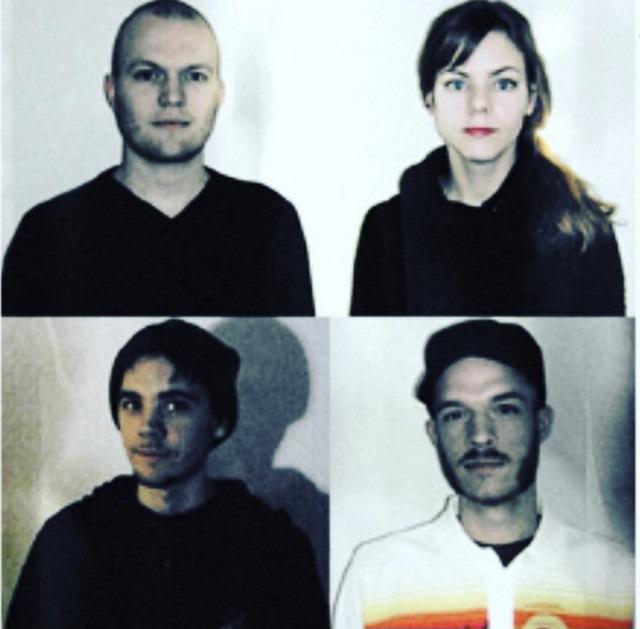
The Legends’ Spotify BioThe Legends are one of several indie pop projects masterminded by Swedish producer/musician Johan Angergård, whose other bands include the Acid House Kings, Eternal Death, Djustin and Club 8. Initially conceived as a fuzzy, gutsy indie pop act (something like a rougher, fierier version of the Acid House Kings), the group made its live debut in 2003 as an opening act for the Radio Dept. Their first EP, There and Back Again, was released on Labrador one year later, and was quickly followed up by the full-length Up Against the Legends. Angergård took the Legends in a new direction for their sophomore effort; 2005's Public Radio found the Legends dipping into a reverb-swathed sound modeled after post-punk acts like the Cure and New Order. Facts and Figures, the Legends' third full-length, found their sound shifting yet again, this time in favor of a chic, danceable sound that nodded to acts like Kraftwerk and Daft Punk as well as the breezy indie pop sensibilities characteristic of… Angergård's other projects. Released in 2009, Over and Over found the group employing a host of styles and sounds, referencing everything from '60s girl groups to angular noise rock. After that album, Angergård focused on other projects like Club 8, the Acid House Kings, and Eternal Death, all of whom released something in early 2010s. Even though he considered Over and Over to be the final Legends album, a couple years later, Angergård found himself writing and recording songs that could only be released under that name. Inspired by a tough breakup, the modern synth pop and R&B-leaning It's Love was issued by Cascine in June of 2015. Never one to take much of a break, Angergård teamed with American singer Rose Suau to form the sophisticated synth pop duo Djustin in 2016, releasing an EP that year and readying an album for 2017. The next Legends album soon followed, with Angergård veering deeper into synthesized music. The quickly recorded Nightshift goes full Moroder as all the vocals are fed through vocoders, the synths are epic and the beats are robotic. Vocalists Elin Berlin of Eternal Death, Red Sleeping Beauty's Kristina Borg and Maria Usbeck all guest on the album, which was released by Labrador in early 2017. ~ Tim Sendra, Rovi
Viberate is a music analytics platform built for A&Rs, artist managers, labels, booking agents, marketers, and artists.
It helps music professionals track artist growth, analyze audience data, monitor playlist activity, compare artists, follow song performance, and identify opportunities across the music market.
Public artist pages provide a free preview of selected artist data. Paid plans provide access to deeper analytics, historical data, charts, comparisons, playlist tools, exports, alerts, reports, and additional professional features.
Yes. Public Viberate artist pages provide selected artist analytics and music data for free.
Viberate also offers a 7-day free trial of the full platform. A credit card is required to start the trial. The trial includes access to the complete product so users can test deeper artist analytics, historical views, playlist insights, comparisons, charts, exports, alerts, and reporting features before choosing a paid plan.
Viberate provides artist analytics across streaming, playlists, social media, video, radio airplay, songs, and audience markets.
Users can analyze Spotify performance, Spotify and Apple Music playlists, YouTube activity, TikTok and Instagram growth, radio spins, song performance, audience locations, demographics, rankings, and overall artist momentum.
Artist profiles also connect to music charts, similar artists, and comparison tools, helping users benchmark performance and evaluate artists in context.
Viberate updates key artist and track data daily.
For followed artists and tracks, selected data is refreshed multiple times per day. This helps teams monitor playlist changes, streaming movement, audience growth, releases, and campaign performance with more current data.
Update frequency can vary depending on the metric and data source.
Yes. Viberate lets users compare up to five artists side by side across streaming, social media, audience, and engagement metrics.
Users can compare fanbase growth, audience demographics, locations, Spotify performance, social metrics, and other artist data over selected time periods.
Artist comparison can be used for A&R scouting, benchmarking, booking decisions, campaign planning, and evaluating artists with similar audiences or market positions.