Burning Hearts

Pop
Indie Pop
Other Electronic Music
 Viberate Rank: 262503
 Viberate Rank: 262503
 Monthly ListenersFollowers
 Subscribers
 Followers
 Followers
 FansTop Spotify Songs
| Track | 7-Day Streams | |
|---|---|---|
1 | 1.08K | |
2 | 549 | |
3 | 141 | |
4 | 76 | |
5 | 68 |
Top YouTube VideosMonthly ListenersFeatured in Playlists| Playlist | Followers | |
|---|---|---|
1 | While You Work (@whileyouwork) Eli Feghali | 81.75K |
2 |  Noah Kahan Likes These Songs Noah Kahan | 7.06K |
3 |  Fubiz Playlist 🔥 Fubiz | 4.15K |
4 |  Fresh by BASSORADIO Digster Suomi | 3.87K |
5 |  @MonaFims - Life is Good! :) MonaFims | 3.66K |
Audience| City | Monthly Listeners | |
|---|---|---|
1 | | 168 |
2 |  | 129 |
3 |  | 64 |
4 | | 58 |
5 |  | 57 |
See full performance history, audience data, playlist activity, rankings, comparisons, and more in Viberate music analytics. Start with a free trial, then continue with a paid plan.
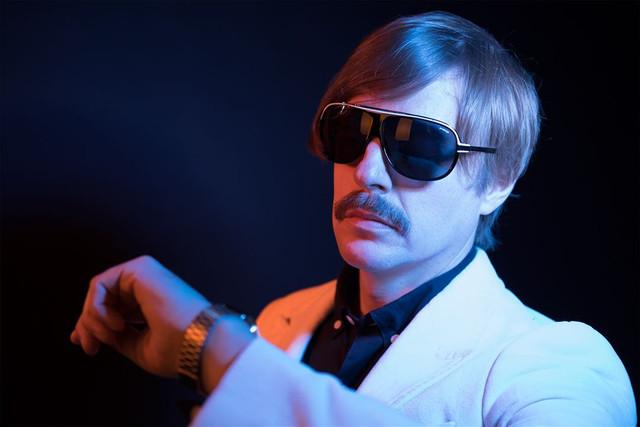
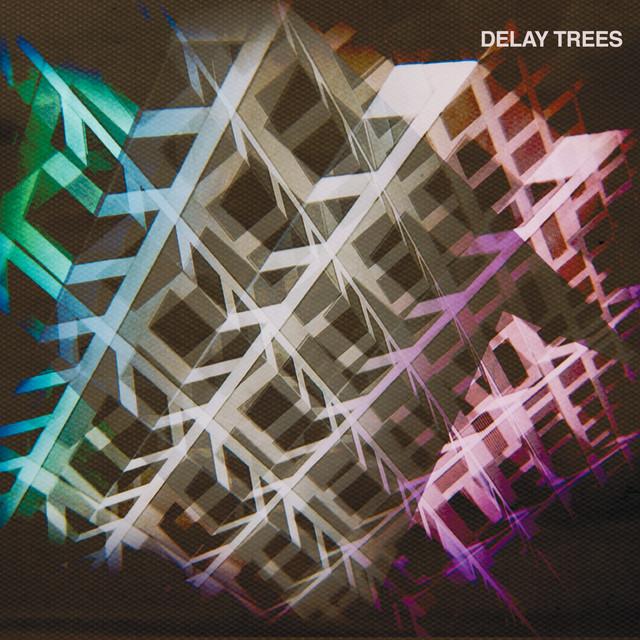
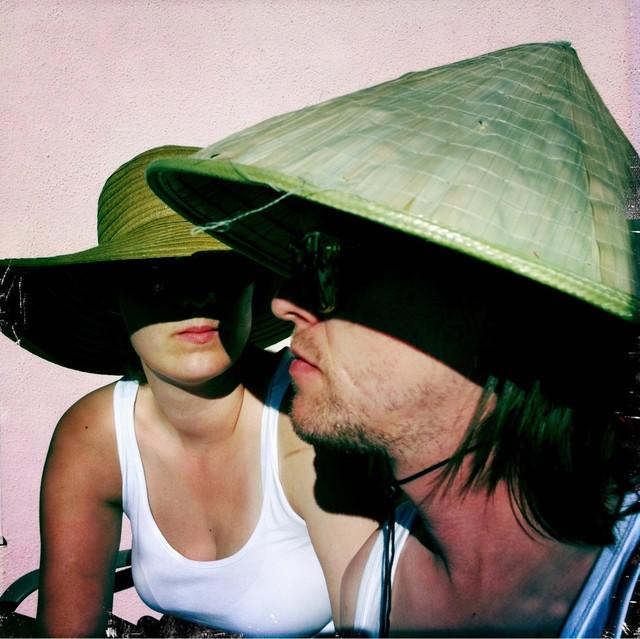
Burning Hearts’ Spotify BioFinnish indie pop stalwarts Jessika Rapo (vocalist for Le Futur Pompiste) and Henry Ojala (drummer for Cats on Fire) teamed up to form the sophisticated synth pop duo Burning Hearts in 2004. Sounding something like a warm, wispy mix of Le Futur Pompiste and Cats on Fire, Burning Hearts fit right in with Shelflife Records' early-2000s roster, which at that point included the likes of Days, the Ruling Class, and the Radio Dept. Burning Hearts' debut full-length, Aboa Sleeping, was released on Shelflife in early 2009. Rapo and Ojala followed up the album's release with a passel of live shows, which included their first U.S. appearance at the Cake Shop in New York City. After releasing two singles in 2010 ("Night Animal" and a cover of Arthur Russell's "The Letter"), the duo decamped to the Finnish countryside and recorded a four-song EP, Into the Wilderness, which was issued by Shelflife in June of 2011. The duo returned in early 2012 with their second album, Extinctions, a darker work… colored by death and tragedy. They played a handful of shows during 2013, including the Island in the Sun festival held on the Åland Islands, while also working on new music in the studio. The first fruits of their work didn't arrive until mid-2015 with the song "Ticket," which was remixed by Lee "Scratch" Perry. They played a couple hometown shows that year, then vanished until 2016, when another song, "Work of Art," was released. Both songs were included on the third Burning Hearts album, Battlefields, which was issued by Solina Records in May of 2017. ~ Tim Sendra, Rovi
Viberate is a music analytics platform built for A&Rs, artist managers, labels, booking agents, marketers, and artists.
It helps music professionals track artist growth, analyze audience data, monitor playlist activity, compare artists, follow song performance, and identify opportunities across the music market.
Public artist pages provide a free preview of selected artist data. Paid plans provide access to deeper analytics, historical data, charts, comparisons, playlist tools, exports, alerts, reports, and additional professional features.
Yes. Public Viberate artist pages provide selected artist analytics and music data for free.
Viberate also offers a 7-day free trial of the full platform. A credit card is required to start the trial. The trial includes access to the complete product so users can test deeper artist analytics, historical views, playlist insights, comparisons, charts, exports, alerts, and reporting features before choosing a paid plan.
Viberate provides artist analytics across streaming, playlists, social media, video, radio airplay, songs, and audience markets.
Users can analyze Spotify performance, Spotify and Apple Music playlists, YouTube activity, TikTok and Instagram growth, radio spins, song performance, audience locations, demographics, rankings, and overall artist momentum.
Artist profiles also connect to music charts, similar artists, and comparison tools, helping users benchmark performance and evaluate artists in context.
Viberate updates key artist and track data daily.
For followed artists and tracks, selected data is refreshed multiple times per day. This helps teams monitor playlist changes, streaming movement, audience growth, releases, and campaign performance with more current data.
Update frequency can vary depending on the metric and data source.
Yes. Viberate lets users compare up to five artists side by side across streaming, social media, audience, and engagement metrics.
Users can compare fanbase growth, audience demographics, locations, Spotify performance, social metrics, and other artist data over selected time periods.
Artist comparison can be used for A&R scouting, benchmarking, booking decisions, campaign planning, and evaluating artists with similar audiences or market positions.