The Juan Maclean

Electronic
House
Other Electronic Music
 Viberate Rank: 82493
 Viberate Rank: 82493
 Monthly ListenersFollowers
 Subscribers
 Followers
 Followers
 FansTop Spotify Songs
| Track | 7-Day Streams | |
|---|---|---|
1 | 15.39K | |
2 | 14.82K | |
3 | 10.94K | |
4 | 5.22K | |
5 | 4.41K |
Top YouTube VideosMonthly ListenersFeatured in Playlists| Playlist | Followers | |
|---|---|---|
1 | 80's 12" & Extended Remixes enigma804 | 47.09K |
2 |  Nu Disco Satin Jackets | 44.23K |
3 | wicks Brennan McDowell | 43.73K |
4 |  Jazz Funk & Groove Guillermo Lanzani Lagomarsino | 36.08K |
5 |  The Best Of: Purple Disco Machine Joe Bladen | 33.44K |
Audience| City | Monthly Listeners | |
|---|---|---|
1 |  | 3.97K |
2 |  | 2.58K |
3 | | 2.17K |
4 | | 2.12K |
5 |  | 2.00K |
See full performance history, audience data, playlist activity, rankings, comparisons, and more in Viberate music analytics. Start with a free trial, then continue with a paid plan.
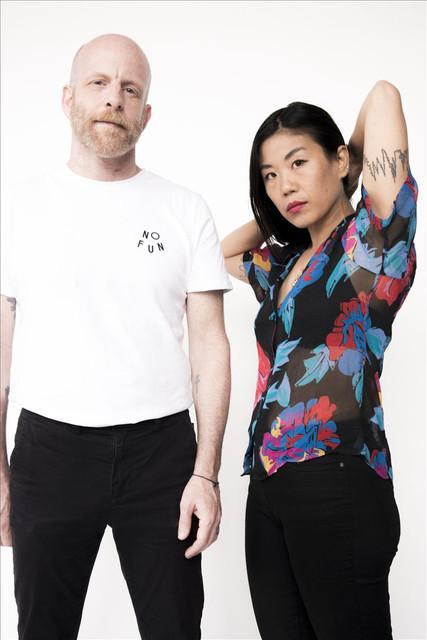
The Juan Maclean’s Spotify BioCentered around John MacLean and Nancy Whang, the Juan MacLean were one of the first signees to Brooklyn indie dance behemoth DFA, and they remained one of the label's most consistently first-rate acts without sticking to a predictable formula. Contributing to DFA's early canon of powerful singles which blended post-punk elements with dance styles such as disco and house, the Juan MacLean successfully transitioned from club to home listening with their 2005 full-length debut Less Than Human. Subsequent albums The Future Will Come (2009) and In a Dream (2014) added more synth pop to the mix, while a bevy of non-album singles contained some of the group's most propulsive club material.
Prior to becoming one of the most significant names on DFA, John MacLean was a member of Sub Pop band Six Finger Satellite. Initially, Six Finger Satellite fit in with the remainder of the Sub Pop roster at the beginning of the 1990s, but after one EP, they took a sharp turn into herky-jerky post-punk… inspired by Devo, Big Black, and Suicide. By the time they went to record their final album, 1998's Law of Ruins, Krautrock also began to play a major role, as did future DFA head James Murphy, who produced, engineered, and mixed the sessions, in addition to running the band's live sound.
When Six Finger Satellite broke up, MacLean's aggravated emotional state and long-term drug addiction took him low enough to provoke a move from New York to New Hampshire and a drastic change in lifestyle. Murphy and Tim Goldsworthy, who were getting the DFA label off the ground, provoked MacLean to become interested in making music again. Using the name the Juan MacLean, MacLean took the sound of his defunct band to the dancefloor, retaining flashes of post-punk and '70s experimental electronics while grafting bits of early Euro-disco, electro, Detroit techno, and Chicago house.
A handful of singles -- including DFA highlights "You Can't Have It Both Ways" and "Give Me Every Little Thing" -- led to 2005's Less Than Human, the first album credited to the Juan MacLean. The Future Will Come followed in 2009, preceded by the singles "Happy House" and "The Simple Life." Both of these tracks featured vocals from frequent collaborator Nancy Whang, who duetted with MacLean in a manner inspired by the Human League throughout the album. A year later, MacLean contributed to the !K7 label's DJ-Kicks series. Also during the early 2000s (and beyond), MacLean became fairly prolific as a remixer, with Air ("Surfing on a Rocket"), Chromeo ("Me and My Man"), Chicken Lips ("White Dwarf"), Roy Davis, Jr. ("I Have a Vision"), and Passion Pit ("To Kingdom Come") just a few of the acts who sought him out.
A digital-only remix/rarities collection titled Everybody Get Close appeared in 2011. Their 2014 album In a Dream continued to emphasize the '80s synth pop elements of the Juan MacLean's sound; it landed in the Top 20 of the Billboard dance chart. The project returned in 2017 with two singles, "Can You Ever Really Know Somebody" and "The Brighter the Light." Following the release of several more tracks over the next two years, the 2019 collection The Brighter the Light rounded up the band's non-album singles issued by DFA from 2013 onward. ~ Andy Kellman, Rovi
Viberate is a music analytics platform built for A&Rs, artist managers, labels, booking agents, marketers, and artists.
It helps music professionals track artist growth, analyze audience data, monitor playlist activity, compare artists, follow song performance, and identify opportunities across the music market.
Public artist pages provide a free preview of selected artist data. Paid plans provide access to deeper analytics, historical data, charts, comparisons, playlist tools, exports, alerts, reports, and additional professional features.
Yes. Public Viberate artist pages provide selected artist analytics and music data for free.
Viberate also offers a 7-day free trial of the full platform. A credit card is required to start the trial. The trial includes access to the complete product so users can test deeper artist analytics, historical views, playlist insights, comparisons, charts, exports, alerts, and reporting features before choosing a paid plan.
Viberate provides artist analytics across streaming, playlists, social media, video, radio airplay, songs, and audience markets.
Users can analyze Spotify performance, Spotify and Apple Music playlists, YouTube activity, TikTok and Instagram growth, radio spins, song performance, audience locations, demographics, rankings, and overall artist momentum.
Artist profiles also connect to music charts, similar artists, and comparison tools, helping users benchmark performance and evaluate artists in context.
Viberate updates key artist and track data daily.
For followed artists and tracks, selected data is refreshed multiple times per day. This helps teams monitor playlist changes, streaming movement, audience growth, releases, and campaign performance with more current data.
Update frequency can vary depending on the metric and data source.
Yes. Viberate lets users compare up to five artists side by side across streaming, social media, audience, and engagement metrics.
Users can compare fanbase growth, audience demographics, locations, Spotify performance, social metrics, and other artist data over selected time periods.
Artist comparison can be used for A&R scouting, benchmarking, booking decisions, campaign planning, and evaluating artists with similar audiences or market positions.