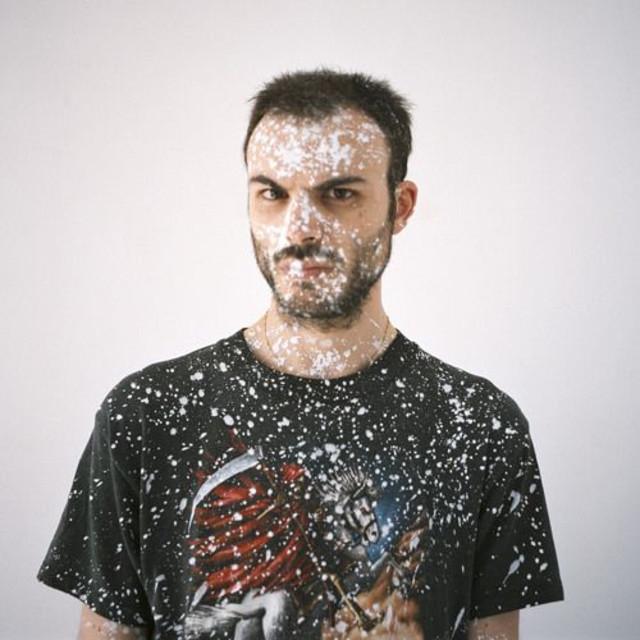
Joakim

Electronic
House
Other Electronic Music
Downtempo
 Viberate Rank: 113787
 Viberate Rank: 113787
 Monthly ListenersFollowers
 Subscribers
 Followers
 Followers
 FansTop Spotify Songs
| Track | 7-Day Streams | |
|---|---|---|
1 | 16.87K | |
2 | 9.08K | |
3 | 4.45K | |
4 | 2.16K | |
5 | 1.01K |
Top YouTube VideosMonthly ListenersFeatured in Playlists| Playlist | Followers | |
|---|---|---|
1 | 🇿🇦 SA House Classics Thursty B | 114.79K |
2 | Old school house🇿🇦 (the way backs) Sabelo | 65.71K |
3 |  Soul Candi Classics Soul Candi | 60.00K |
4 |  Space Sounds Odin Media Group | 57.68K |
5 | Clau Do Vale | 45.63K |
Audience| City | Monthly Listeners | |
|---|---|---|
1 |  | 7.42K |
2 | | 3.59K |
3 |  | 2.04K |
4 | | 2.03K |
5 |  | 1.60K |
See full performance history, audience data, playlist activity, rankings, comparisons, and more in Viberate music analytics. Start with a free trial, then continue with a paid plan.
Joakim’s Spotify BioAfter a 1999 debut that blended jazz, turntablism, hip-hop, and indie rock, French producer and remixer Joakim has maintained a similarly eclectic profile, both on his own releases and in his work as a producer, collaborator, remixer, and head of his own influential Tigersushi label. Albums such as 2007's Monsters & Silly Songs combined left-field house, neo-disco, post-punk, and Krautrock influences, while the artist embraced more sophisticated pop forms on subsequent releases like 2011's Nothing Gold and 2017's Samurai. The more experimental, downtempo Second Nature appeared in 2021, with its remix album arriving the following year.
Born Joakim Bouaziz, the young prodigy's intensive study of classical music began with piano lessons that started at age six. After graduating from the National Conservatory of Versailles, Joakim immersed himself in jazz, American and British indie rock, and hip-hop. Incorporating all of these influences and more, he made his recorded debut with 1999's… Tiger Sushi (as Joakim Lone Octet), a jazzy and largely instrumental album. In 2003, the more electronic dance-oriented follow-up Fantômes garnered considerably more attention. After four years spent focusing on label duties and remix jobs, releasing the occasional single under his own name, Joakim returned in 2007 with the eclectic Monsters & Silly Songs, featuring the 12" single "Lonely Hearts." The My Best Remixes collection arrived a year later, with the Milky Ways album following in 2009 on the !K7 label.
His thematic 2011 effort Nothing Gold featured the single "Forever Young," along with other tracks that dealt with the artist entering his thirties. Tropics of Love from 2014 was inspired by French artist Camille Henrot, whose artwork graced the album's cover. Following two non-album singles in 2016 ("Daemon" and "Boipeba"), Joakim released Samurai on Tigersushi in 2017. The record was inspired by New York City, where he had moved a few years earlier, as well as early-'80s Japanese synth pop and new age. He continued exploring downtempo ambient music on 2018's The Studio Venezia Sessions and 2021's Second Nature. In 2022, he released Second Nature Remixes, featuring interpretations by Mad Professor, 808 State, Russell E.L. Butler, and others. ~ Stewart Mason & Paul Simpson, Rovi
Viberate is a music analytics platform built for A&Rs, artist managers, labels, booking agents, marketers, and artists.
It helps music professionals track artist growth, analyze audience data, monitor playlist activity, compare artists, follow song performance, and identify opportunities across the music market.
Public artist pages provide a free preview of selected artist data. Paid plans provide access to deeper analytics, historical data, charts, comparisons, playlist tools, exports, alerts, reports, and additional professional features.
Yes. Public Viberate artist pages provide selected artist analytics and music data for free.
Viberate also offers a 7-day free trial of the full platform. A credit card is required to start the trial. The trial includes access to the complete product so users can test deeper artist analytics, historical views, playlist insights, comparisons, charts, exports, alerts, and reporting features before choosing a paid plan.
Viberate provides artist analytics across streaming, playlists, social media, video, radio airplay, songs, and audience markets.
Users can analyze Spotify performance, Spotify and Apple Music playlists, YouTube activity, TikTok and Instagram growth, radio spins, song performance, audience locations, demographics, rankings, and overall artist momentum.
Artist profiles also connect to music charts, similar artists, and comparison tools, helping users benchmark performance and evaluate artists in context.
Viberate updates key artist and track data daily.
For followed artists and tracks, selected data is refreshed multiple times per day. This helps teams monitor playlist changes, streaming movement, audience growth, releases, and campaign performance with more current data.
Update frequency can vary depending on the metric and data source.
Yes. Viberate lets users compare up to five artists side by side across streaming, social media, audience, and engagement metrics.
Users can compare fanbase growth, audience demographics, locations, Spotify performance, social metrics, and other artist data over selected time periods.
Artist comparison can be used for A&R scouting, benchmarking, booking decisions, campaign planning, and evaluating artists with similar audiences or market positions.