The Joneses

Punk
Punk Rock
Hard Rock
 Viberate Rank: 334066
 Viberate Rank: 334066
 Monthly ListenersFollowers
 Subscribers
 Followers
 Followers
 FansTop Spotify Songs
| Track | 7-Day Streams | |
|---|---|---|
1 | 579 | |
2 | 122 | |
3 | 75 | |
4 | 69 | |
5 | 68 |
Top YouTube VideosMonthly ListenersFeatured in Playlists| Playlist | Followers | |
|---|---|---|
1 |  Green Day: Punk Bunny Radio Green Day | 33.63K |
2 |  Garage Punk Jorge Ramos | 5.89K |
3 |  Punk Isa | 2.68K |
4 |  Country PUNK Cowpunk header75 | 1.09K |
Audience| City | Monthly Listeners | |
|---|---|---|
1 | | 95 |
2 | | 46 |
3 | | 35 |
4 | | 25 |
5 | | 23 |
See full performance history, audience data, playlist activity, rankings, comparisons, and more in Viberate music analytics. Start with a free trial, then continue with a paid plan.
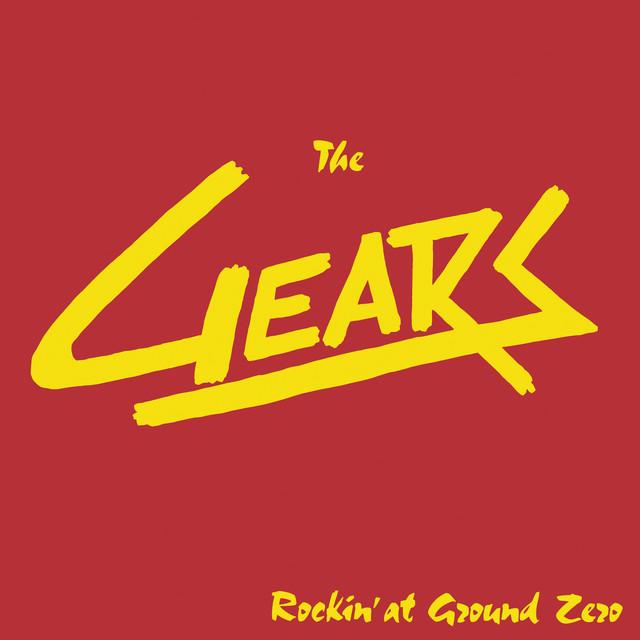
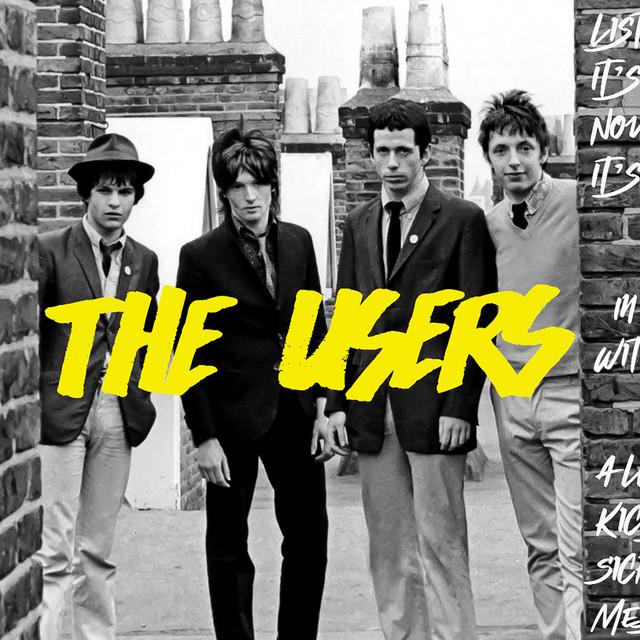
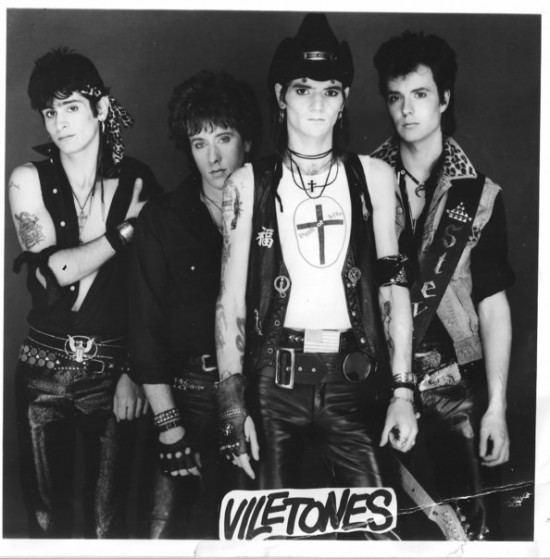
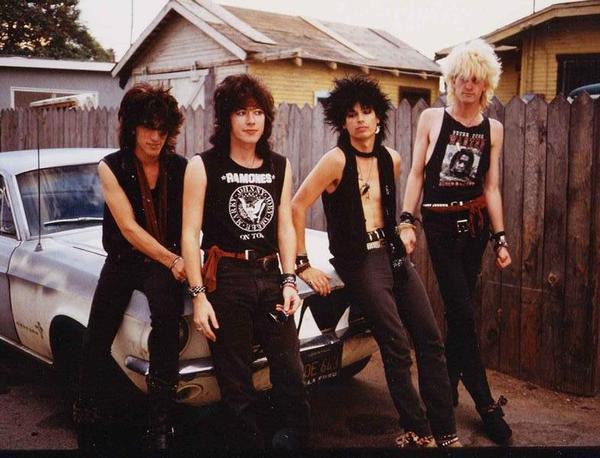
The Joneses’ Spotify BioIn Anaheim 1981, guitarist and singer Jeff Drake and skateboarding legend Steve Olson, future TSOL members Ron Emory and Mitch Dean formed The Joneses. It was Drake who proclaimed, “we were like Eddie Cochran meeting the New York Dolls at Chuck Berry’s house.” The band’s early singles include “Jonestown” “Criminals In My Car,” as well as “Graveyard Rock” and “Pillbox” on the 1982 BYO Records compilation, Someone Got Their Head Kicked In. It was the band’s line-up with Drake, John James, Rhys Williams and Mitch Dean that would see The Joneses named “Best Live Band” in the 1983 LA Weekly Reader’s Poll.
Despite heavy college radio airplay in the summer of 1986, legal delays kept the band’s full-length debut LP “Keeping Up With The Joneses” from being released until late 1987, on Doctor Dream Records.
Jeff Drake formed a new incarnation of the band, recording demos for RCA Records, who eventually passed on signing the band. These songs turned into the EP “Tits and Champagne,” released in… 1989 by Trigon Records.
After serving a three-year prison sentence for bank robbery, Drake reformed another incarnation of The Joneses and recorded the “Anita Fix” EP in 1995.
In 2022, Drake released his autobiography, “Guilty: My Life As A Member Of The Joneses – A Heroin Addict, A Bank Robber, and A Federal Inmate” via Hozac Books.
Viberate is a music analytics platform built for A&Rs, artist managers, labels, booking agents, marketers, and artists.
It helps music professionals track artist growth, analyze audience data, monitor playlist activity, compare artists, follow song performance, and identify opportunities across the music market.
Public artist pages provide a free preview of selected artist data. Paid plans provide access to deeper analytics, historical data, charts, comparisons, playlist tools, exports, alerts, reports, and additional professional features.
Yes. Public Viberate artist pages provide selected artist analytics and music data for free.
Viberate also offers a 7-day free trial of the full platform. A credit card is required to start the trial. The trial includes access to the complete product so users can test deeper artist analytics, historical views, playlist insights, comparisons, charts, exports, alerts, and reporting features before choosing a paid plan.
Viberate provides artist analytics across streaming, playlists, social media, video, radio airplay, songs, and audience markets.
Users can analyze Spotify performance, Spotify and Apple Music playlists, YouTube activity, TikTok and Instagram growth, radio spins, song performance, audience locations, demographics, rankings, and overall artist momentum.
Artist profiles also connect to music charts, similar artists, and comparison tools, helping users benchmark performance and evaluate artists in context.
Viberate updates key artist and track data daily.
For followed artists and tracks, selected data is refreshed multiple times per day. This helps teams monitor playlist changes, streaming movement, audience growth, releases, and campaign performance with more current data.
Update frequency can vary depending on the metric and data source.
Yes. Viberate lets users compare up to five artists side by side across streaming, social media, audience, and engagement metrics.
Users can compare fanbase growth, audience demographics, locations, Spotify performance, social metrics, and other artist data over selected time periods.
Artist comparison can be used for A&R scouting, benchmarking, booking decisions, campaign planning, and evaluating artists with similar audiences or market positions.