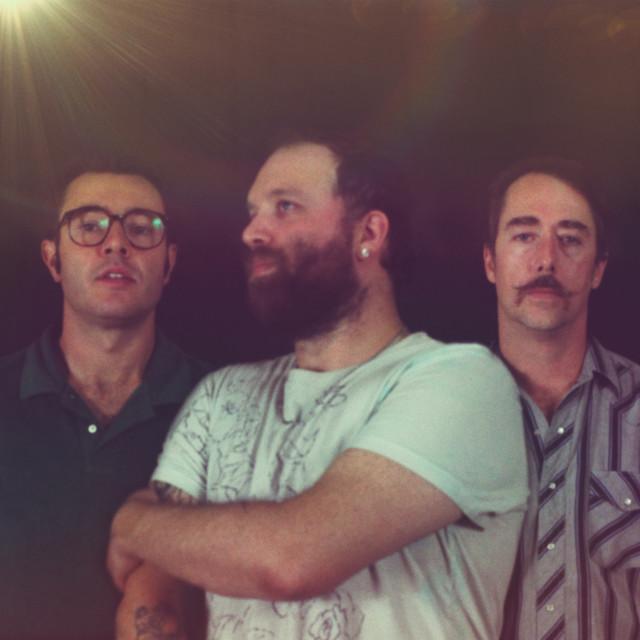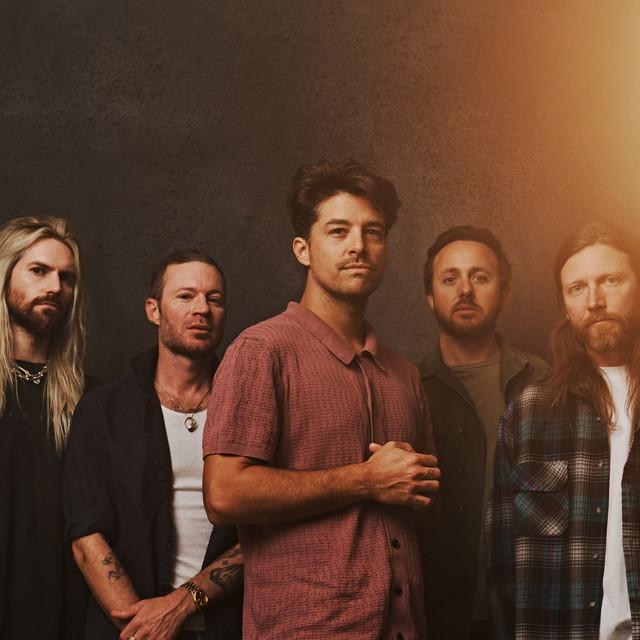
The Helio Sequence

Rock
Indie Rock
 Viberate Rank: 117054
 Viberate Rank: 117054
 Monthly ListenersFollowers
 Subscribers
 Followers
 Followers
 FansTop Spotify Songs
| Track | 7-Day Streams | |
|---|---|---|
1 | 4.84K | |
2 | 4.51K | |
3 | 4.29K | |
4 | 4.00K | |
5 | 3.47K |
Top YouTube VideosMonthly ListenersFeatured in Playlists| Playlist | Followers | |
|---|---|---|
1 |  Chill it surf style Felix Bouleau | 71.72K |
2 | lisa_anthem | 35.27K |
3 |  Hipster Morning Darren O'Rourk | 33.62K |
4 |  teal The Weisest Band | 31.14K |
5 |  indie folk and acoustic music 2023 GreaseRelease | 30.13K |
Audience| City | Monthly Listeners | |
|---|---|---|
1 | | 1.10K |
2 | | 974 |
3 | | 955 |
4 | | 947 |
5 | | 880 |
See full performance history, audience data, playlist activity, rankings, comparisons, and more in Viberate music analytics. Start with a free trial, then continue with a paid plan.
The Helio Sequence’s Spotify BioThe Portland-based duo Helio Sequence is comprised of vocalist/guitarist Brandon Summers and keyboardist/drummer Benjamin Weikel. Debuting in 1999 with an ambient, psychedelic sound that placed as much emphasis on the guitar as Summers' muted vocals, the band issued the Accelerated Slow-Motion Cinema EP before dropping the full-length Com Plex in 2000. Helio Sequence's 100-percent home studio approach allowed for a lot of sonic experimentation, and that aesthetic informed the swirls and layers of their evolving sound. When it did touch the ground, it was at points between My Bloody Valentine, Mouse on Mars, and the weirder side of the Elephant 6 collective. Young Effectuals followed in 2001 before the Helio Sequence jumped from the roster of Cavity Search Records to Sub Pop, releasing the more auspicious Love and Distance in June 2004. The album gave an unprecedented amount of prominence to Summers' vocals, but the singer was unable to keep his throat in shape on the subsequent tour.… He returned to Portland, his voice severely damaged, and was forced to relearn the craft through a series of vocal exercises and lifestyle changes. Taking cues from another raspy-voiced singer, Bob Dylan, Summers steadily regained the use of his voice, and the Helio Sequence returned in 2008 with Keep Your Eyes Ahead.
While on tour in support of the album, the duo's rented studio/practice space flooded, wiping out some of their gear and leaving them in need of a new space to record and create. The band's new digs at a remote, disused warehouse offered them the seclusion necessary to experiment and stretch out. The results of these insular experiments informed the more patient, languid sound of 2012's Negotiations. In 2013, Summers and Weikel tried their hand at producing other artists for the first time, working with a Brazilian combo named Quarto Negro, remixing tracks for adventurous hip-hop act Shabazz Palaces, and mixing projects for several Portland-based artists. In 2014, some of their friends in the Portland music community came up with "the 20 Song Game," in which participants were asked to come up with 20 new songs in a single day. While Summers and Weikel didn't quite make the goal, it prompted them to challenge themselves to create as many new tracks as they could in a month. After coming up with 26 tunes, Summers and Weikel trimmed the list down to ten, which were polished and compiled into the band's self-titled sixth album released by Sub Pop in May 2015. ~ Johnny Loftus, Rovi
Viberate is a music analytics platform built for A&Rs, artist managers, labels, booking agents, marketers, and artists.
It helps music professionals track artist growth, analyze audience data, monitor playlist activity, compare artists, follow song performance, and identify opportunities across the music market.
Public artist pages provide a free preview of selected artist data. Paid plans provide access to deeper analytics, historical data, charts, comparisons, playlist tools, exports, alerts, reports, and additional professional features.
Yes. Public Viberate artist pages provide selected artist analytics and music data for free.
Viberate also offers a 7-day free trial of the full platform. A credit card is required to start the trial. The trial includes access to the complete product so users can test deeper artist analytics, historical views, playlist insights, comparisons, charts, exports, alerts, and reporting features before choosing a paid plan.
Viberate provides artist analytics across streaming, playlists, social media, video, radio airplay, songs, and audience markets.
Users can analyze Spotify performance, Spotify and Apple Music playlists, YouTube activity, TikTok and Instagram growth, radio spins, song performance, audience locations, demographics, rankings, and overall artist momentum.
Artist profiles also connect to music charts, similar artists, and comparison tools, helping users benchmark performance and evaluate artists in context.
Viberate updates key artist and track data daily.
For followed artists and tracks, selected data is refreshed multiple times per day. This helps teams monitor playlist changes, streaming movement, audience growth, releases, and campaign performance with more current data.
Update frequency can vary depending on the metric and data source.
Yes. Viberate lets users compare up to five artists side by side across streaming, social media, audience, and engagement metrics.
Users can compare fanbase growth, audience demographics, locations, Spotify performance, social metrics, and other artist data over selected time periods.
Artist comparison can be used for A&R scouting, benchmarking, booking decisions, campaign planning, and evaluating artists with similar audiences or market positions.