Caveman

Rock
Indie Rock
Indie Pop
 Viberate Rank: 163710
 Viberate Rank: 163710
 Monthly ListenersFollowers
 Subscribers
 Followers
 Followers
 FansTop Spotify Songs
| Track | 7-Day Streams | |
|---|---|---|
1 | 1.75K | |
2 | 1.44K | |
3 | 547 | |
4 | 469 | |
5 | 281 |
Top YouTube VideosMonthly ListenersFeatured in Playlists| Playlist | Followers | |
|---|---|---|
1 |  Suits Soundtrack [All Seasons] Solitude Collective | 151.56K |
2 |  Soundtrack: Suits Gunnar Scott | 61.06K |
3 |  Compact Cassette David Dean Burkhart | 60.73K |
4 | mumble...mumble... | 40.11K |
5 |  Psytrance =) Kristoffer Sørensen | 38.14K |
Audience| City | Monthly Listeners | |
|---|---|---|
1 | | 321 |
2 | | 260 |
3 | | 257 |
4 | | 214 |
5 | | 181 |
See full performance history, audience data, playlist activity, rankings, comparisons, and more in Viberate music analytics. Start with a free trial, then continue with a paid plan.
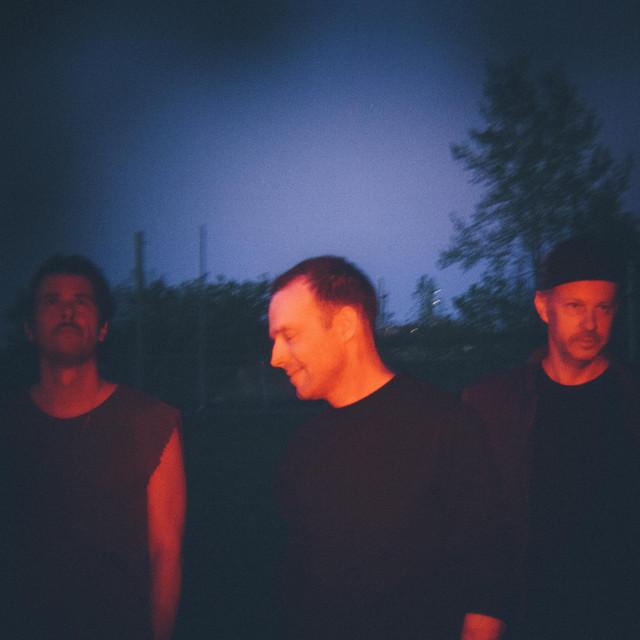
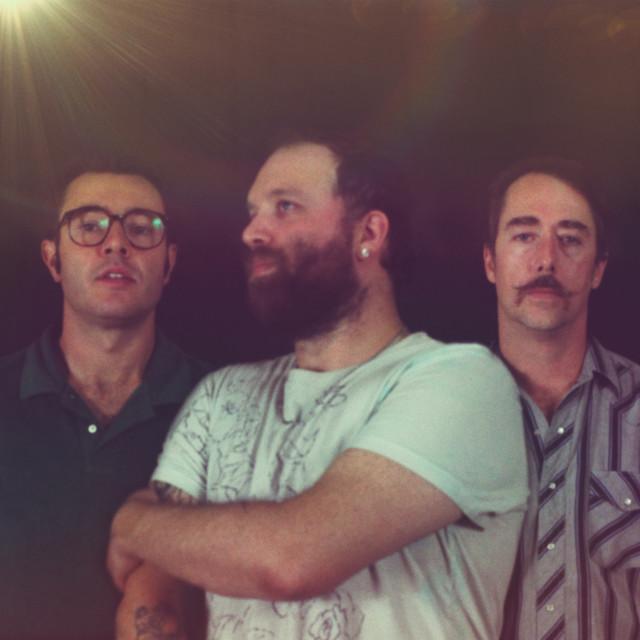
Caveman’s Spotify BioSince Caveman began in 2010, they’ve released 3 full records, toured endlessly (sharing stages with The War on Drugs, Jeff Tweedy, and Weezer, and playing festivals including Coachella, Bonnaroo and Austin City Limits), receiving accolades from Pitchfork to the New York Times. Now in 2021, they’ve become one of the mainstays of the NYC music world. More than anything, Caveman are the band that everyone seems to know, who always seemed to be out on the town for years if you needed someone to meet up with late into the night, the throughline to a dozen disparate crowds of artists. Led by Matthew Iwanusa, lifelong city resident, with guitarist Jimmy Carbonetti (who grew up on Roosevelt Island) they quickly started their first band in high school. At 18, they met Jeff Berrall (bass) to complete the trio. Nowadays, they’ve grown from young punk kids into statesmen of sorts for NYC indie music. Jimmy’s Brooklyn shop The Guitar Shop NYC is a city institution and a clubhouse for the band.… Practicing and working out of Williamsburg nightclub Baby’s Alright during it’s down hours, the band are just beginning to recreate the momentum of their early career after a period of false starts, legal issues and delays that slowed the release of their new record for several years.
“Smash” is the first Caveman record since 2016’s “Otero War” and was produced by Nico Chiotellis at Rivington 66.
“Boy, these guys can write a chorus.” -Simon LeBon
Viberate is a music analytics platform built for A&Rs, artist managers, labels, booking agents, marketers, and artists.
It helps music professionals track artist growth, analyze audience data, monitor playlist activity, compare artists, follow song performance, and identify opportunities across the music market.
Public artist pages provide a free preview of selected artist data. Paid plans provide access to deeper analytics, historical data, charts, comparisons, playlist tools, exports, alerts, reports, and additional professional features.
Yes. Public Viberate artist pages provide selected artist analytics and music data for free.
Viberate also offers a 7-day free trial of the full platform. A credit card is required to start the trial. The trial includes access to the complete product so users can test deeper artist analytics, historical views, playlist insights, comparisons, charts, exports, alerts, and reporting features before choosing a paid plan.
Viberate provides artist analytics across streaming, playlists, social media, video, radio airplay, songs, and audience markets.
Users can analyze Spotify performance, Spotify and Apple Music playlists, YouTube activity, TikTok and Instagram growth, radio spins, song performance, audience locations, demographics, rankings, and overall artist momentum.
Artist profiles also connect to music charts, similar artists, and comparison tools, helping users benchmark performance and evaluate artists in context.
Viberate updates key artist and track data daily.
For followed artists and tracks, selected data is refreshed multiple times per day. This helps teams monitor playlist changes, streaming movement, audience growth, releases, and campaign performance with more current data.
Update frequency can vary depending on the metric and data source.
Yes. Viberate lets users compare up to five artists side by side across streaming, social media, audience, and engagement metrics.
Users can compare fanbase growth, audience demographics, locations, Spotify performance, social metrics, and other artist data over selected time periods.
Artist comparison can be used for A&R scouting, benchmarking, booking decisions, campaign planning, and evaluating artists with similar audiences or market positions.