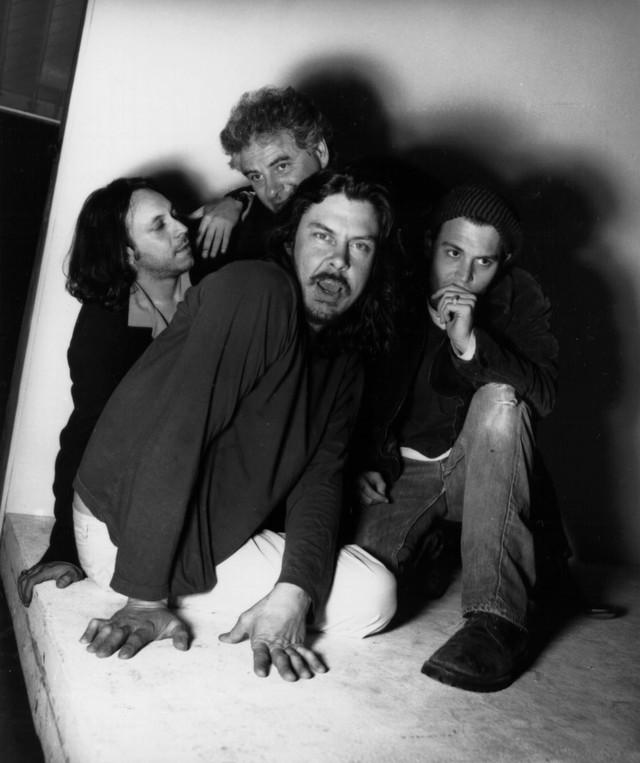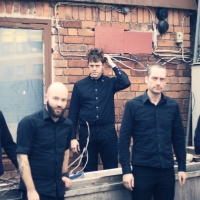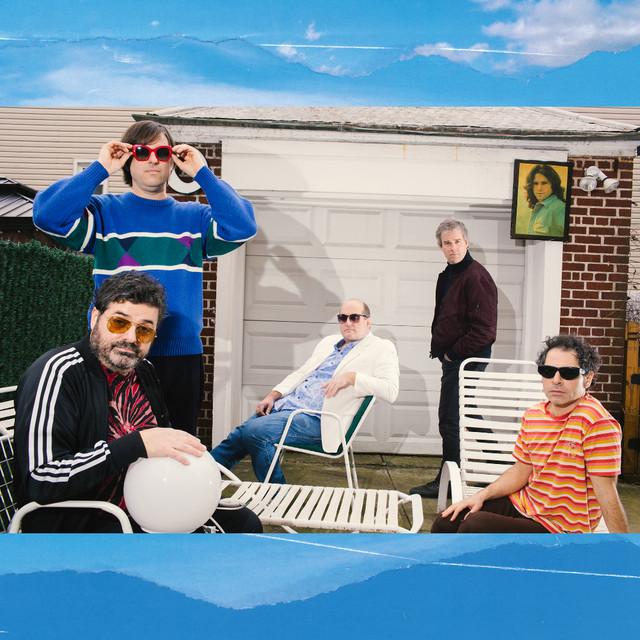
Oneida

Rock
Psychedelic Rock
Noise Rock
 Viberate Rank: 168930
 Viberate Rank: 168930
 Monthly ListenersFollowers
 Subscribers
 Followers
 Followers
 FansTop Spotify Songs
| Track | 7-Day Streams | |
|---|---|---|
1 | 102 | |
2 | 78 | |
3 | 68 | |
4 | 65 | |
5 | 48 |
Top YouTube Videos| Video | 7-Day Views | |
|---|---|---|
1 | 1.13K | |
2 | 965 | |
3 | 922 | |
4 | 906 | |
5 | 886 |
Monthly ListenersFeatured in Playlists| Playlist | Followers | |
|---|---|---|
1 |  SKINS SOUNDTRACK season 1, 2, 3, 4, 5, 6 and 7 (all seasons) Christel Aurora Hilmo | 65.42K |
2 | RR-03 Unknown Mortal Orchestra | 14.43K |
3 | Skins UK 1-7 Raven Linnette | 13.46K |
4 | space rock & psychedelia Edson Alejandro Adame | 8.05K |
5 |  The Sound of Noise Rock The Sounds of Spotify | 6.06K |
Audience| City | Monthly Listeners | |
|---|---|---|
1 | | 46 |
2 | | 44 |
3 |  | 39 |
4 | | 39 |
5 | | 30 |
See full performance history, audience data, playlist activity, rankings, comparisons, and more in Viberate music analytics. Start with a free trial, then continue with a paid plan.
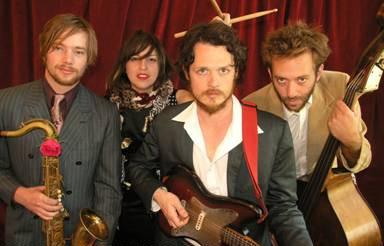
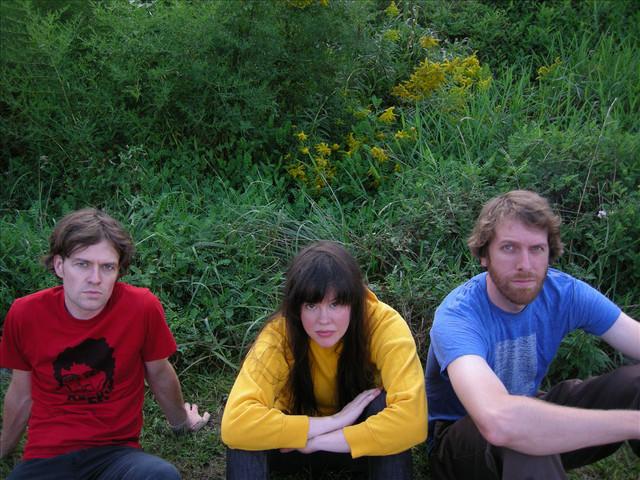
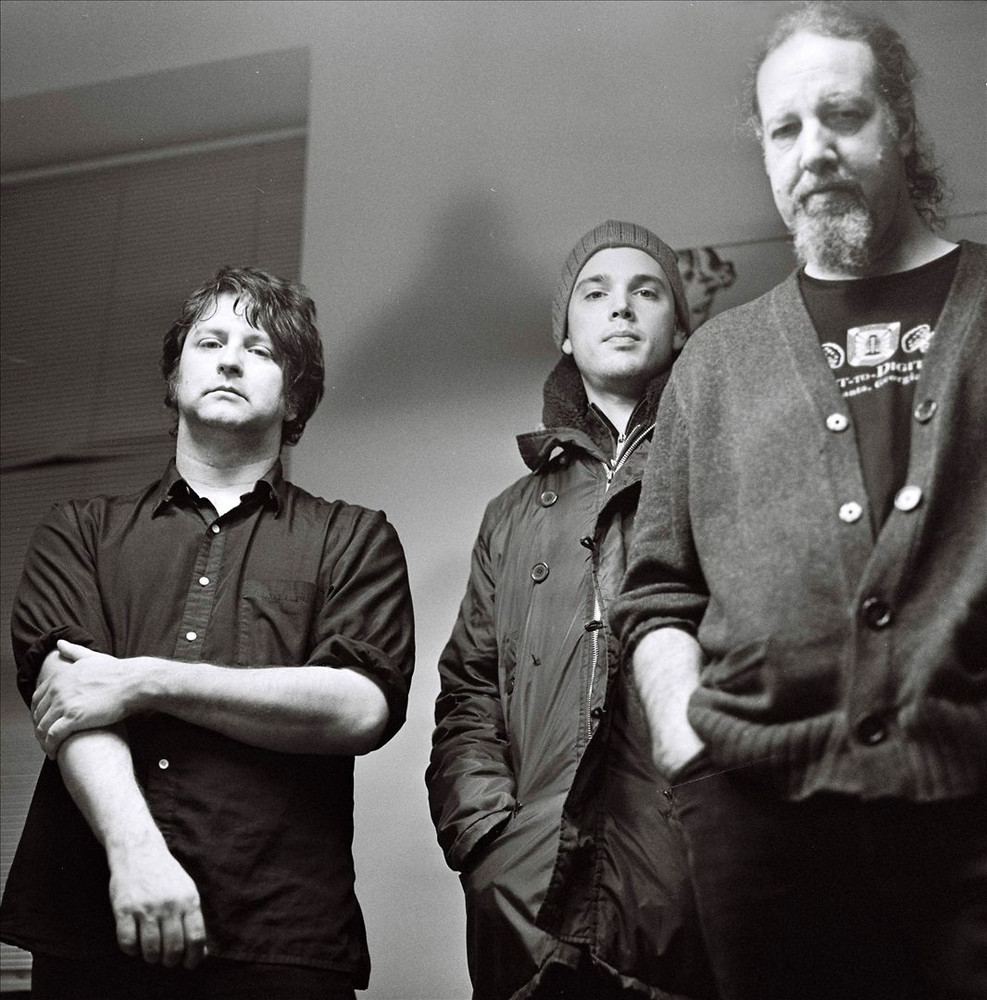
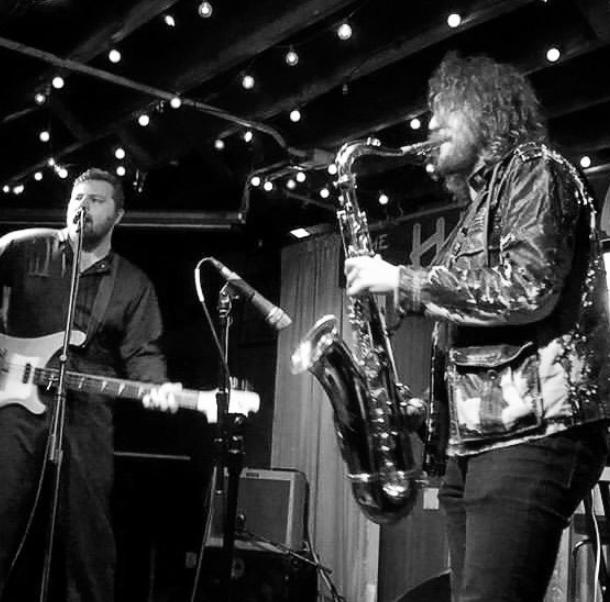
Oneida’s Spotify BioBrooklyn's genre-defying Oneida take their primary cues from '60s garage and punk bands (especially MC5), but throw in plenty of heavy, bluesy '70s stoner rock (think Blue Cheer, Foghat, etc.) plus dashes of jerky synth pop, avant-garde jazz, and Krautrock. The group made a name for itself in the New York area by virtue of its raucous live performances, which were frequently conducted in lofts and warehouses. Mixing distorted organ freakouts with meaty guitar riffs, the band got progressively tighter and more energetic following their 1997 debut, and released highly creative material at a rapid pace during the 2000s, with highlights including 2002's Each One Teach One and 2005's The Wedding. Following the ambitious 2009 triple-album Rated O, the band's members focused on more experimental side projects, and Oneida releases such as 2011's Absolute II and the 2016 Rhys Chatham collaboration What's Your Sign? owed more to drone, noise, and post-minimalism than rock music. They returned to… song-driven music with 2018's Romance and the more garage punk-sounding Success (2022), then experimented a bit more on 2024's Expensive Air.
Oneida originally featured guitarist/vocalist Papa Crazy (aka PCRZ), keyboardist Bobby Matador (aka Fat Bobby), drummer Kid Millions (John Colpitts), and bassist/guitarist Hanoi Jane (aka Baby Jane). The band's 1997 debut, A Place Called El Shaddai's, was released by Turnbuckle, but after the release of 1999's Enemy Hogs, they moved to Jagjaguwar (which subsequently re-released the album). They were especially prolific in 2000, releasing both the Steel Rod EP and the full-length Come on Everybody Let's Rock. They continued to release albums at a relatively swift pace, issuing Anthem of the Moon in 2001 (the last record to feature Papa Crazy, who split from the band in late 2001) and Each One Teach One a year later. Atheists, Reconsider, a split EP with the equally formidable Liars, also came out that year on the Arena Rock Recording Company imprint. Oneida released their sixth album, Secret Wars, in 2004, and also wrote and recorded the score for Speedo, a documentary about Long Island and New Jersey's demolition derby circuit, that year. Unfortunately, the music was for the most part left out of the finished film. Oneida released the Nice./Splittin' Peaches EP for Ace Fu in late 2004, followed in early 2005 by the ambitious, string-tinged The Wedding and 2006's death and rebirth-themed Happy New Year.
In 2008, Oneida announced their next endeavor, Thank Your Parents, a musical triptych challenging the band to further experiment with rhythm, harmony, and tonality. The first installment, Preteen Weaponry, came that August, followed in 2009 by the triple album Rated O, with Absolute II closing out the project in June 2011. They returned later the same year with a split album with Mugstar called Collisions 02 before releasing the full-length A List of the Burning Mountains in 2012.
After what was, for them, an unusually long break between records, and still sporting a core lineup of Bobby Matador, Hanoi Jane, Kid Millions, and longtime collaborators Shahin Motia and Barry London, What's Your Sign appeared in 2016 via Northern Spy. It was written, engineered, and performed in collaboration with post-minimalist composer Rhys Chatham. The double-LP Live at Secret Project Robot was released by Safety Meeting Records in 2017. Joyful Noise, which had previously issued several limited-edition singles by Oneida, released their studio full-length Romance in 2018. Holiday single "In the Court of the Christmas King" appeared in 2021. Success, the band's most direct rock record in decades, was released in 2022. Along with featured guest KATIEE, the group covered Siouxsie & the Banshees' "Halloween" for a 2023 single. Full-length Expensive Air arrived in 2024; its songs started out as straightforward rock tunes in the vein of the band's previous album, but they ended up stretching out into unexpected directions. ~ Steve Huey & Paul Simpson, Rovi
Viberate is a music analytics platform built for A&Rs, artist managers, labels, booking agents, marketers, and artists.
It helps music professionals track artist growth, analyze audience data, monitor playlist activity, compare artists, follow song performance, and identify opportunities across the music market.
Public artist pages provide a free preview of selected artist data. Paid plans provide access to deeper analytics, historical data, charts, comparisons, playlist tools, exports, alerts, reports, and additional professional features.
Yes. Public Viberate artist pages provide selected artist analytics and music data for free.
Viberate also offers a 7-day free trial of the full platform. A credit card is required to start the trial. The trial includes access to the complete product so users can test deeper artist analytics, historical views, playlist insights, comparisons, charts, exports, alerts, and reporting features before choosing a paid plan.
Viberate provides artist analytics across streaming, playlists, social media, video, radio airplay, songs, and audience markets.
Users can analyze Spotify performance, Spotify and Apple Music playlists, YouTube activity, TikTok and Instagram growth, radio spins, song performance, audience locations, demographics, rankings, and overall artist momentum.
Artist profiles also connect to music charts, similar artists, and comparison tools, helping users benchmark performance and evaluate artists in context.
Viberate updates key artist and track data daily.
For followed artists and tracks, selected data is refreshed multiple times per day. This helps teams monitor playlist changes, streaming movement, audience growth, releases, and campaign performance with more current data.
Update frequency can vary depending on the metric and data source.
Yes. Viberate lets users compare up to five artists side by side across streaming, social media, audience, and engagement metrics.
Users can compare fanbase growth, audience demographics, locations, Spotify performance, social metrics, and other artist data over selected time periods.
Artist comparison can be used for A&R scouting, benchmarking, booking decisions, campaign planning, and evaluating artists with similar audiences or market positions.