The Graduate

Rock
Alternative Rock
Pop Punk
 Viberate Rank: 325649
 Viberate Rank: 325649
 Monthly ListenersFollowers
 Subscribers
 Followers
 Followers
 FansTop Spotify Songs
| Track | 7-Day Streams | |
|---|---|---|
1 | 952 | |
2 | 218 | |
3 | 153 | |
4 | 134 | |
5 | 99 |
Top YouTube Videos| Video | 7-Day Views | |
|---|---|---|
1 | 38 | |
2 | 36 |
Monthly ListenersFeatured in Playlists| Playlist | Followers | |
|---|---|---|
1 | 🗡 lachstar2006 | 3.20K |
2 | GARAGE THRASHING Brent Richard | 2.39K |
3 | Endless Indie Ryan | 1.81K |
4 | The Vow: Longest Love Song Playlist of All Time! thevow | 1.57K |
5 |  900+ emo & poppunk bands Eelke de Blouw | 1.54K |
Audience| City | Monthly Listeners | |
|---|---|---|
1 | | 116 |
2 | | 58 |
3 | | 54 |
4 | | 54 |
5 | | 49 |
See full performance history, audience data, playlist activity, rankings, comparisons, and more in Viberate music analytics. Start with a free trial, then continue with a paid plan.
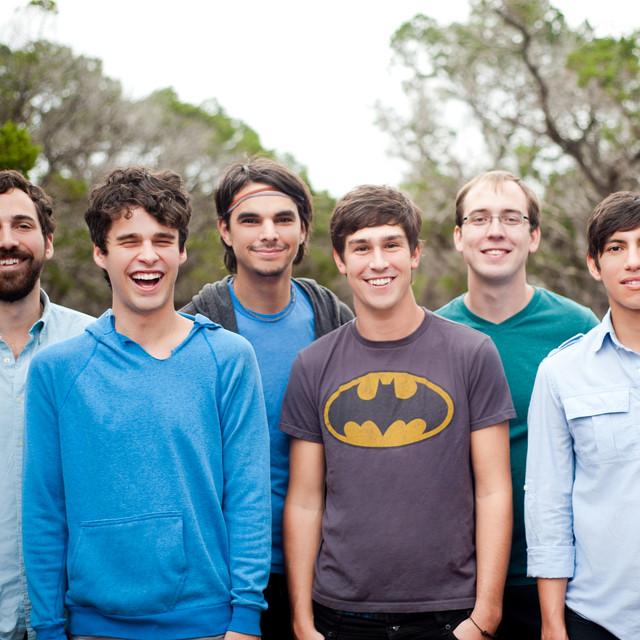
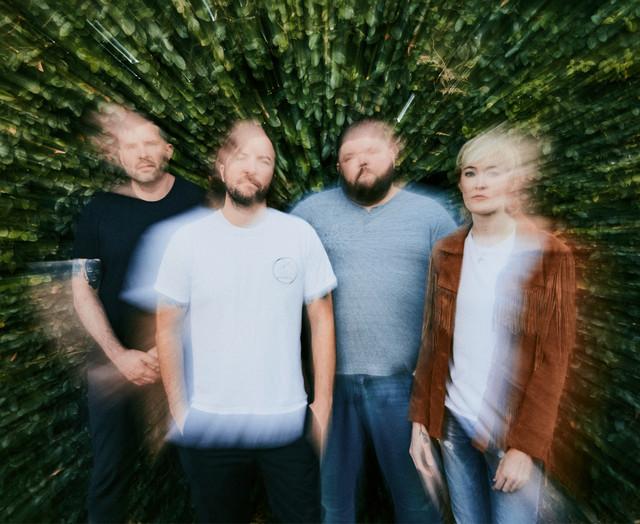
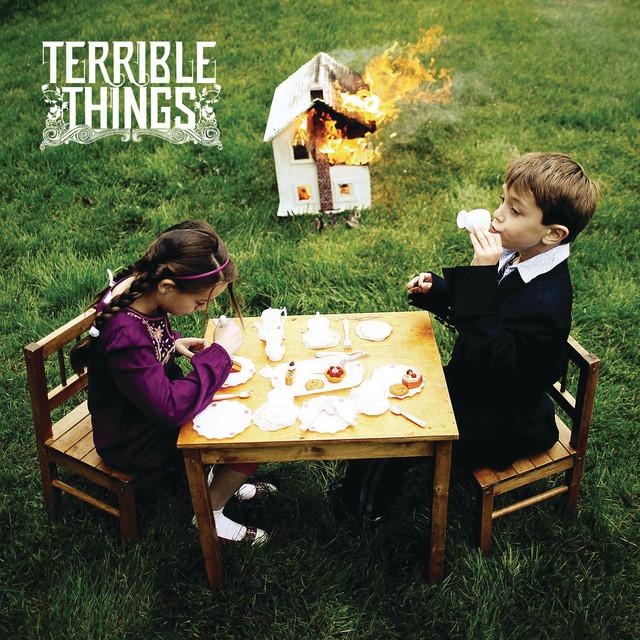
The Graduate’s Spotify BioFor a fleeting moment in the late 2000s, The Graduate felt like the future. Emerging from the quiet corners of central Illinois in 2005, they blended widescreen emo melancholia with post-punk atmospherics, crafting a sound that was both urgent and cinematic. Their debut EP, Horror Show (2006), showed promise, but it was Anhedonia (2007) that carved out their place—an album built on restless energy, its shimmering guitars and weightless hooks capturing the tension between youthful ambition and the ache of growing up.
The Graduate played to packed rooms alongside Jack’s Mannequin and Secondhand Serenade, their cathartic live shows earning them slots at Warped Tour, Bamboozle, Rock am See, and Summerfest. Their music videos landed airplay on MTV and VH1, but momentum is fickle. When their label collapsed in 2008, they found themselves untethered. Rather than retrace their steps, they leaned into reinvention. Their sophomore album, Only Every Time (2010), dialed back the urgency in favor of… deeper textures and slow-burning melodies, a move that landed them at No. 28 on the Billboard Heatseekers chart and cemented their place as one of the scene’s most compelling outliers.
By 2011, The Graduate had played their final show. But their music still lingers in the periphery, a reminder of what it felt like to want something bigger than the place you came from. Timeless in its longing, their sound remains suspended between past and future—unresolved, but never forgotten.
Viberate is a music analytics platform built for A&Rs, artist managers, labels, booking agents, marketers, and artists.
It helps music professionals track artist growth, analyze audience data, monitor playlist activity, compare artists, follow song performance, and identify opportunities across the music market.
Public artist pages provide a free preview of selected artist data. Paid plans provide access to deeper analytics, historical data, charts, comparisons, playlist tools, exports, alerts, reports, and additional professional features.
Yes. Public Viberate artist pages provide selected artist analytics and music data for free.
Viberate also offers a 7-day free trial of the full platform. A credit card is required to start the trial. The trial includes access to the complete product so users can test deeper artist analytics, historical views, playlist insights, comparisons, charts, exports, alerts, and reporting features before choosing a paid plan.
Viberate provides artist analytics across streaming, playlists, social media, video, radio airplay, songs, and audience markets.
Users can analyze Spotify performance, Spotify and Apple Music playlists, YouTube activity, TikTok and Instagram growth, radio spins, song performance, audience locations, demographics, rankings, and overall artist momentum.
Artist profiles also connect to music charts, similar artists, and comparison tools, helping users benchmark performance and evaluate artists in context.
Viberate updates key artist and track data daily.
For followed artists and tracks, selected data is refreshed multiple times per day. This helps teams monitor playlist changes, streaming movement, audience growth, releases, and campaign performance with more current data.
Update frequency can vary depending on the metric and data source.
Yes. Viberate lets users compare up to five artists side by side across streaming, social media, audience, and engagement metrics.
Users can compare fanbase growth, audience demographics, locations, Spotify performance, social metrics, and other artist data over selected time periods.
Artist comparison can be used for A&R scouting, benchmarking, booking decisions, campaign planning, and evaluating artists with similar audiences or market positions.