Driver Friendly

Rock
Indie Rock
Pop Punk
 Viberate Rank: 348729
 Viberate Rank: 348729
 Monthly ListenersFollowers
 Subscribers
 Followers
 Followers
 FansTop Spotify Songs
| Track | 7-Day Streams | |
|---|---|---|
1 | 600 | |
2 | 180 | |
3 | 102 | |
4 | 67 | |
5 | 62 |
Top YouTube VideosMonthly ListenersFeatured in Playlists| Playlist | Followers | |
|---|---|---|
1 |  uPBEAt hAPPy mUSIc kaleb.dedrick | 13.13K |
2 | POPPUNK Kevin McLaughlin | 8.53K |
3 |  PrizzaJam Prizza Mike | 6.89K |
4 |  2013 Vans Warped Tour Vans Warped Tour | 5.36K |
5 | Punk goes Christmas Shane Brown | 4.66K |
Audience| City | Monthly Listeners | |
|---|---|---|
1 | | 99 |
2 | | 56 |
3 | | 56 |
4 | | 48 |
5 | | 46 |
See full performance history, audience data, playlist activity, rankings, comparisons, and more in Viberate music analytics. Start with a free trial, then continue with a paid plan.
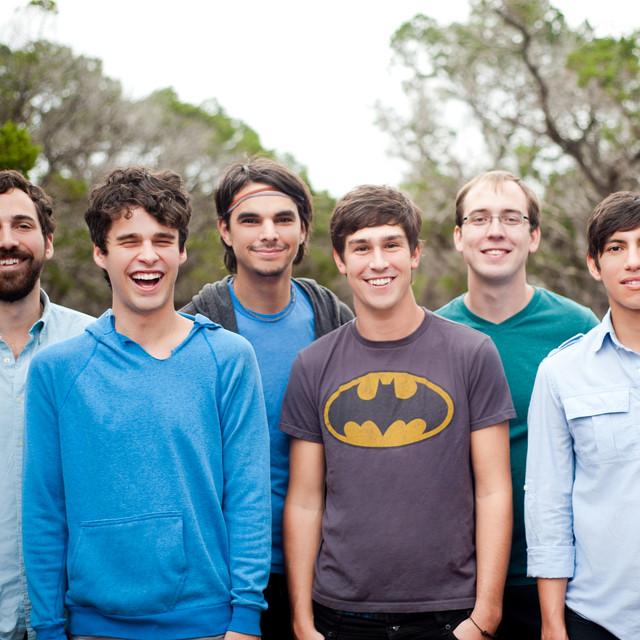
Driver Friendly’s Spotify BioThe members of Texas pop-punk combo Driver Friendly first began playing together in 2002 while still attending high school in North Houston. Hometown gigs led to a decent regional following and in 2004 the group made the decision to relocate to Austin, where they hoped the music industry would take notice. Their self-released debut EP, Not Home Yet, appeared in 2006 followed by their first album, Chase the White Whale (released under the Driver F. moniker), in 2008. When a label deal didn't materialize, the band grew disillusioned and only worked sporadically over the next few years. In the spring of 2011, after turning a lackluster gig during a SXSW party, Driver Friendly reached a sort of crossroads. Giving themselves one more chance to succeed, they rented a remote cabin in the Smoky Mountains of North Carolina where they set up shop for several weeks to try and write at least one new song they felt was worthy of recording. By the time they left, they had ten new songs and a renewed… focus and vision for the band. They crowd-funded the money for their second album, 2012's Bury a Dream, and hit the road on a major American tour. This time, their determination yielded results and by the end of that year they were added to the roster of L.A.'s Hopeless Records. Their first release for Hopeless, 2013's Peaks + Valleys EP, paired material from Bury a Dream with several new songs. The band was added to the Vans Warped Tour, playing with major acts like Motion City Soundtrack and Relient K, and in July of 2014, they released their third album (and first full-length for Hopeless), Unimagined Bridges. ~ Timothy Monger, Rovi
Viberate is a music analytics platform built for A&Rs, artist managers, labels, booking agents, marketers, and artists.
It helps music professionals track artist growth, analyze audience data, monitor playlist activity, compare artists, follow song performance, and identify opportunities across the music market.
Public artist pages provide a free preview of selected artist data. Paid plans provide access to deeper analytics, historical data, charts, comparisons, playlist tools, exports, alerts, reports, and additional professional features.
Yes. Public Viberate artist pages provide selected artist analytics and music data for free.
Viberate also offers a 7-day free trial of the full platform. A credit card is required to start the trial. The trial includes access to the complete product so users can test deeper artist analytics, historical views, playlist insights, comparisons, charts, exports, alerts, and reporting features before choosing a paid plan.
Viberate provides artist analytics across streaming, playlists, social media, video, radio airplay, songs, and audience markets.
Users can analyze Spotify performance, Spotify and Apple Music playlists, YouTube activity, TikTok and Instagram growth, radio spins, song performance, audience locations, demographics, rankings, and overall artist momentum.
Artist profiles also connect to music charts, similar artists, and comparison tools, helping users benchmark performance and evaluate artists in context.
Viberate updates key artist and track data daily.
For followed artists and tracks, selected data is refreshed multiple times per day. This helps teams monitor playlist changes, streaming movement, audience growth, releases, and campaign performance with more current data.
Update frequency can vary depending on the metric and data source.
Yes. Viberate lets users compare up to five artists side by side across streaming, social media, audience, and engagement metrics.
Users can compare fanbase growth, audience demographics, locations, Spotify performance, social metrics, and other artist data over selected time periods.
Artist comparison can be used for A&R scouting, benchmarking, booking decisions, campaign planning, and evaluating artists with similar audiences or market positions.