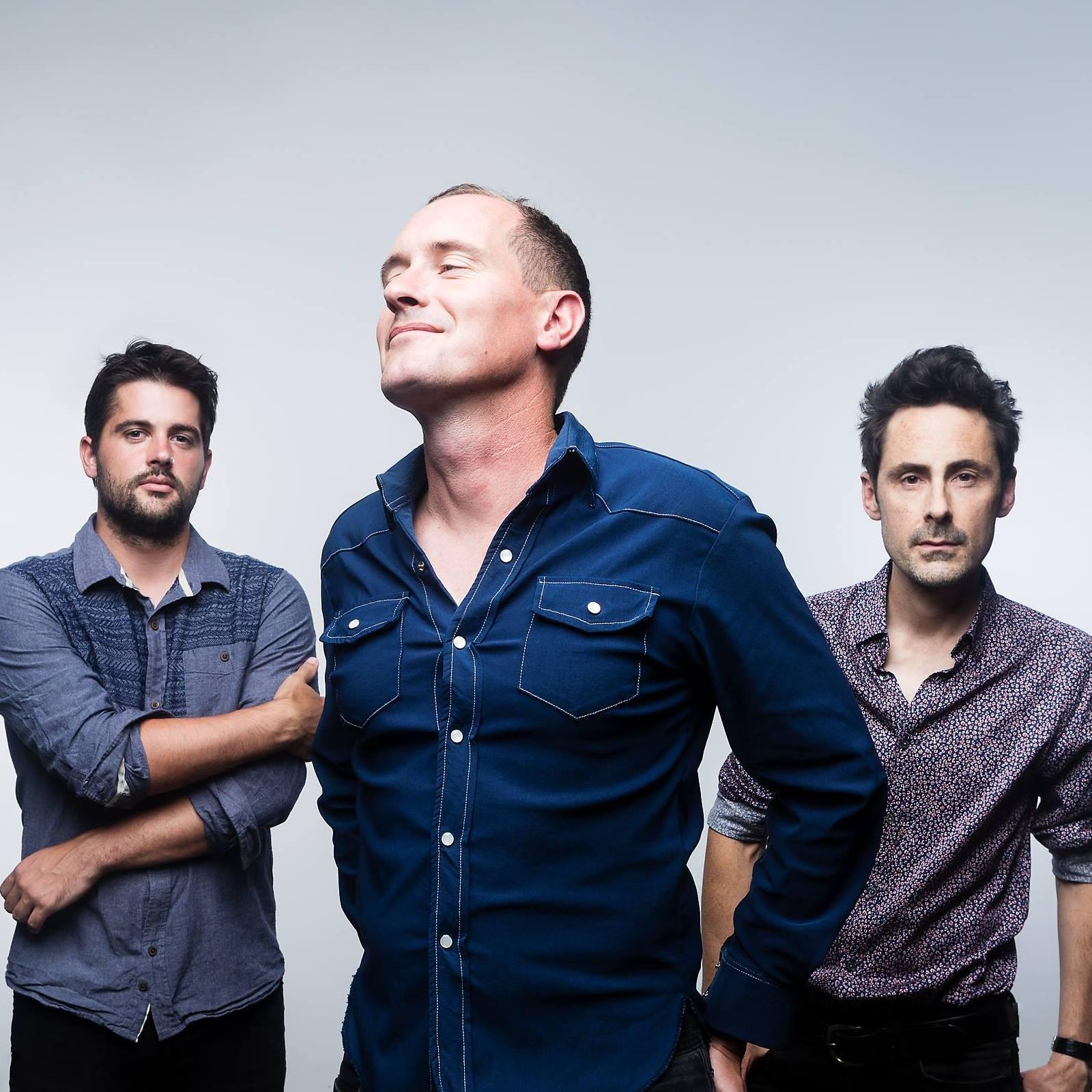
The Glorious

Rock
Pop Rock
 Viberate Rank: 457298
 Viberate Rank: 457298
 Monthly ListenersFollowers
 Subscribers
 Followers
 Followers
 FansTop Spotify Songs
| Track | 7-Day Streams | |
|---|---|---|
1 | 232 | |
2 | 16 | |
3 | 4 | |
4 | 1 | |
5 | 1 |
Top YouTube Videos| Video | 7-Day Views | |
|---|---|---|
1 | 19 | |
2 | 10 | |
3 | 9 | |
4 | 3 | |
5 | 3 |
Monthly ListenersFeatured in Playlists| Playlist | Followers | |
|---|---|---|
1 |  Acoustic Afternoons Ben Goodwin | 6.94K |
2 |  Bones Tv Show Playlist Abby Kletkewicz | 1.79K |
3 | Writers Block Inspiration... Manda Miley | 1.67K |
4 |  AB New Gems and Constant Repeats aspenbeat | 1.42K |
Audience| City | Monthly Listeners | |
|---|---|---|
1 |  | 8 |
2 | | 8 |
3 | | 6 |
4 |  | 5 |
5 |  | 5 |
See full performance history, audience data, playlist activity, rankings, comparisons, and more in Viberate music analytics. Start with a free trial, then continue with a paid plan.
The Glorious’ Spotify BioRenowned for masterful songwriting and a timeless sound, The Glorious have built a formidable body of work from their Melbourne base over the past 15 years.
The band's origins stretch back to Christchurch, New Zealand, where singer/songwriter Dave Mather and drummer Dan Gard'ner first met and collaborated on early projects. The pair formed their first serious band in the mid-1990s and relocated to Melbourne soon after.
Following the break-up of that first project in the early 2000s Mather and Gard'ner formed The Glorious. Creatively empowered, Mather proceeded to steadily build a deep catalog of evocative, richly melodic songs. A chance encounter led to bass player Jouel Loukes joining the fold and after connecting with lauded producer/engineer Julian Mendelsohn the band headed into the studio to record their debut album 'Surrender to the Change'. The record was released in 2010.
That album was followed by 'Sweetwater' (2012), 'Falcon' (2016), 'Kings' (2018) and the 'Lines' EP (2019),… with Mendelsohn involved in a variety of roles and Mather gradually taking on production duties in the later recordings.
In 2022 Mather signed a licensing deal with US-based Melody Haunts Reverie, headed up by Ryan Carroll. The band are due to release their fifth album, Wires, in early 2024.
Viberate is a music analytics platform built for A&Rs, artist managers, labels, booking agents, marketers, and artists.
It helps music professionals track artist growth, analyze audience data, monitor playlist activity, compare artists, follow song performance, and identify opportunities across the music market.
Public artist pages provide a free preview of selected artist data. Paid plans provide access to deeper analytics, historical data, charts, comparisons, playlist tools, exports, alerts, reports, and additional professional features.
Yes. Public Viberate artist pages provide selected artist analytics and music data for free.
Viberate also offers a 7-day free trial of the full platform. A credit card is required to start the trial. The trial includes access to the complete product so users can test deeper artist analytics, historical views, playlist insights, comparisons, charts, exports, alerts, and reporting features before choosing a paid plan.
Viberate provides artist analytics across streaming, playlists, social media, video, radio airplay, songs, and audience markets.
Users can analyze Spotify performance, Spotify and Apple Music playlists, YouTube activity, TikTok and Instagram growth, radio spins, song performance, audience locations, demographics, rankings, and overall artist momentum.
Artist profiles also connect to music charts, similar artists, and comparison tools, helping users benchmark performance and evaluate artists in context.
Viberate updates key artist and track data daily.
For followed artists and tracks, selected data is refreshed multiple times per day. This helps teams monitor playlist changes, streaming movement, audience growth, releases, and campaign performance with more current data.
Update frequency can vary depending on the metric and data source.
Yes. Viberate lets users compare up to five artists side by side across streaming, social media, audience, and engagement metrics.
Users can compare fanbase growth, audience demographics, locations, Spotify performance, social metrics, and other artist data over selected time periods.
Artist comparison can be used for A&R scouting, benchmarking, booking decisions, campaign planning, and evaluating artists with similar audiences or market positions.