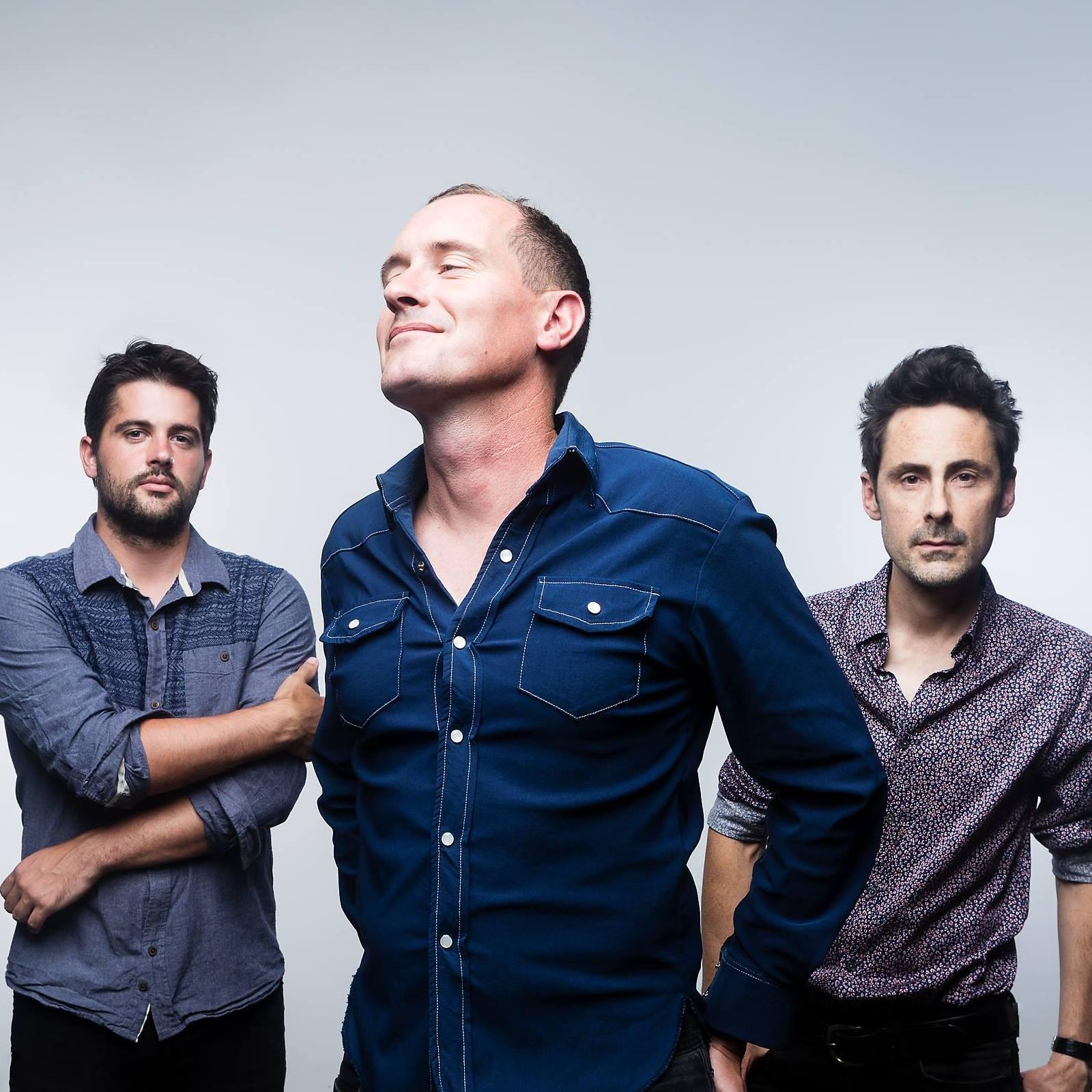
Lowpines

Rock
Alternative Rock
 Viberate Rank: 363001
 Viberate Rank: 363001
 Monthly ListenersFollowers
 Subscribers
 Followers
 Followers
 FansTop Spotify Songs
| Track | 7-Day Streams | |
|---|---|---|
1 | 182 | |
2 | 75 | |
3 | 20 | |
4 | 9 | |
5 | 9 |
Top YouTube VideosMonthly ListenersFeatured in Playlists| Playlist | Followers | |
|---|---|---|
1 | Sleepy Folk & Indie Drago_Mateo | 7.69K |
2 |  Max Caulfield’s Personal Playlist (Life Is Strange) yasmine | 7.42K |
3 |  Bones (Full Soundtrack) kurtabum | 6.19K |
4 |  Cozy Winter Nights Shelby Bartsch | 5.62K |
5 | Melancholy Wood Brian Housman | 4.32K |
Audience| City | Monthly Listeners | |
|---|---|---|
1 | | 12 |
2 |  | 11 |
3 |  | 9 |
4 | | 9 |
5 |  | 9 |
See full performance history, audience data, playlist activity, rankings, comparisons, and more in Viberate music analytics. Start with a free trial, then continue with a paid plan.
Lowpines’ Spotify Bio"poised and mysterious as it contemplates oblivion" The New York Times
Lowpines is the recording name of British songwriter, producer and musician Oli Deakin. Originally from Penrith in northern England and now based in Brooklyn, New York.
As a producer, Oli Deakin is best known for having produced CMAT ‘s debut album If My Wife New I'd Be Dead (Deluxe) which debuted at No.1 in Ireland and won the RTE Choice Award for Album of the Year.
Having previously played with bands Bear Driver and Olfar, Lowpines began as a solo project in 2012. An early demo of first song Give Me A Horse was picked up by net-label EardrumsPop and began a series of EP releases. The track featured vocals from Lyla Foy (WALL), with whom Oli would go on to write, record and produce several albums, including her Sub Pop debut Mirrors the Sky.
2014 single Call Off the Hunt - Bonus Track appeared in TV shows such as Bones and Catfish along with several other tracks from the EPs. 2016 release That Bridge Washed Away in the… Storm was played on BBC 6Music.
Debut full-length In Silver Halides was released in Feb 2018. Recorded in London and Brooklyn, the record was mixed in Brooklyn with producer Ted Young.
Lowpines toured the UK and US in 2018-19 and began work on a new record in late 2019.
Follow up record Sun Down over the East River Shore was released in 2021 featuring contributions from Josh Kaufman , Kate Davis , Elanor Moss and Swimming Bell
In 2023 Lowpines began work on a new record.
Viberate is a music analytics platform built for A&Rs, artist managers, labels, booking agents, marketers, and artists.
It helps music professionals track artist growth, analyze audience data, monitor playlist activity, compare artists, follow song performance, and identify opportunities across the music market.
Public artist pages provide a free preview of selected artist data. Paid plans provide access to deeper analytics, historical data, charts, comparisons, playlist tools, exports, alerts, reports, and additional professional features.
Yes. Public Viberate artist pages provide selected artist analytics and music data for free.
Viberate also offers a 7-day free trial of the full platform. A credit card is required to start the trial. The trial includes access to the complete product so users can test deeper artist analytics, historical views, playlist insights, comparisons, charts, exports, alerts, and reporting features before choosing a paid plan.
Viberate provides artist analytics across streaming, playlists, social media, video, radio airplay, songs, and audience markets.
Users can analyze Spotify performance, Spotify and Apple Music playlists, YouTube activity, TikTok and Instagram growth, radio spins, song performance, audience locations, demographics, rankings, and overall artist momentum.
Artist profiles also connect to music charts, similar artists, and comparison tools, helping users benchmark performance and evaluate artists in context.
Viberate updates key artist and track data daily.
For followed artists and tracks, selected data is refreshed multiple times per day. This helps teams monitor playlist changes, streaming movement, audience growth, releases, and campaign performance with more current data.
Update frequency can vary depending on the metric and data source.
Yes. Viberate lets users compare up to five artists side by side across streaming, social media, audience, and engagement metrics.
Users can compare fanbase growth, audience demographics, locations, Spotify performance, social metrics, and other artist data over selected time periods.
Artist comparison can be used for A&R scouting, benchmarking, booking decisions, campaign planning, and evaluating artists with similar audiences or market positions.