The Getaway Plan

Rock
Alternative Rock
Indie Rock
 Viberate Rank: 147616
 Viberate Rank: 147616
 Monthly ListenersFollowers
 Subscribers
 Followers
 Followers
 FansTop Spotify Songs
| Track | 7-Day Streams | |
|---|---|---|
1 | 30.32K | |
2 | 4.21K | |
3 | 2.14K | |
4 | 1.32K | |
5 | 1.05K |
Top YouTube VideosMonthly ListenersFeatured in Playlists| Playlist | Followers | |
|---|---|---|
1 | Emos 2000-2010 Charito Reyes | 57.47K |
2 | Best of the 90's and 2000's Heyson Hinge | 46.48K |
3 |  songs that make 90s kids do the ketchup dance Filip June | 42.09K |
4 |  #Sweetspot Jimmy Landqvist | 32.36K |
5 | Slutty emo music laylah ✧・゚:* | 29.74K |
Audience| City | Monthly Listeners | |
|---|---|---|
1 | | 14.61K |
2 | | 10.51K |
3 | | 8.65K |
4 | | 5.78K |
5 | | 4.13K |
See full performance history, audience data, playlist activity, rankings, comparisons, and more in Viberate music analytics. Start with a free trial, then continue with a paid plan.
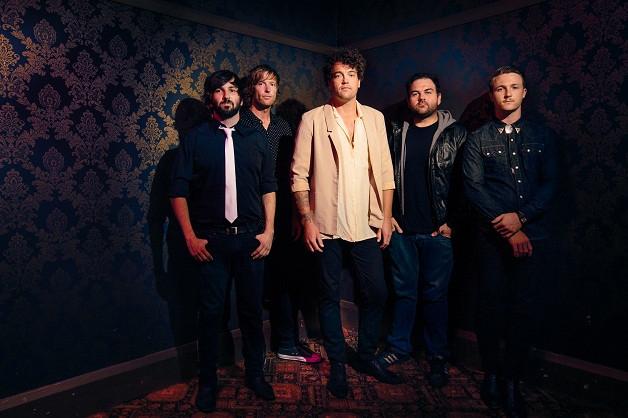
The Getaway Plan’s Spotify BioAn alternative rock band that formed in Australia in 2004, the Getaway Plan's star rose quickly, and within a couple of years the quartet found itself touring with fellow pop punk acts like Taking Back Sunday and the Used, and sharing stages with the likes of Unwritten Law, Alkaline Trio, and My Chemical Romance. Following the release of a demo in 2005, the Getaway Plan signed a record deal with Boomtown and released their debut EP, Hold Conversation, in 2006. The six-track collection was then followed by the Florida-recorded full-length Other Voices, Other Rooms, which was released in February of 2008. Bolstered by the success of leadoff single "Streetlight," the Getaway Plan saw their album debut at number 14 on the charts, and rise from there. Members Dave Anderson (bass), Aaron Barnett (drums), Matthew Wright (vocals), and Clint Splattering (guitar) were busy for the rest of 2008, with a national tour supporting the Donnas first in the offing. However, in February of 2009 the… Getaway Plan announced that they would break up later in the year, following a final Australian tour. ~ Chris True, Rovi
Viberate is a music analytics platform built for A&Rs, artist managers, labels, booking agents, marketers, and artists.
It helps music professionals track artist growth, analyze audience data, monitor playlist activity, compare artists, follow song performance, and identify opportunities across the music market.
Public artist pages provide a free preview of selected artist data. Paid plans provide access to deeper analytics, historical data, charts, comparisons, playlist tools, exports, alerts, reports, and additional professional features.
Yes. Public Viberate artist pages provide selected artist analytics and music data for free.
Viberate also offers a 7-day free trial of the full platform. A credit card is required to start the trial. The trial includes access to the complete product so users can test deeper artist analytics, historical views, playlist insights, comparisons, charts, exports, alerts, and reporting features before choosing a paid plan.
Viberate provides artist analytics across streaming, playlists, social media, video, radio airplay, songs, and audience markets.
Users can analyze Spotify performance, Spotify and Apple Music playlists, YouTube activity, TikTok and Instagram growth, radio spins, song performance, audience locations, demographics, rankings, and overall artist momentum.
Artist profiles also connect to music charts, similar artists, and comparison tools, helping users benchmark performance and evaluate artists in context.
Viberate updates key artist and track data daily.
For followed artists and tracks, selected data is refreshed multiple times per day. This helps teams monitor playlist changes, streaming movement, audience growth, releases, and campaign performance with more current data.
Update frequency can vary depending on the metric and data source.
Yes. Viberate lets users compare up to five artists side by side across streaming, social media, audience, and engagement metrics.
Users can compare fanbase growth, audience demographics, locations, Spotify performance, social metrics, and other artist data over selected time periods.
Artist comparison can be used for A&R scouting, benchmarking, booking decisions, campaign planning, and evaluating artists with similar audiences or market positions.