Faker

Rock
Indie Rock
Alternative Rock
 Viberate Rank: 138961
 Viberate Rank: 138961
 Monthly ListenersFollowers
 Subscribers
 Followers
 Followers
 FansTop Spotify Songs
| Track | 7-Day Streams | |
|---|---|---|
1 | 62.80K | |
2 | 10.23K | |
3 | 2.94K | |
4 | 2.21K | |
5 | 893 |
Top YouTube VideosMonthly ListenersFeatured in Playlists| Playlist | Followers | |
|---|---|---|
1 |  Aussie Alternative Classics Spotify | 216.53K |
2 |  SONGS THAT GET WHITE PEOPLE TURNT Samuel Ilias | 145.44K |
3 |  Aussie Pop Classics Spotify | 74.00K |
4 | Best of the 90's and 2000's Heyson Hinge | 46.48K |
5 |  songs that make 90s kids do the ketchup dance Filip June | 42.09K |
Audience| City | Monthly Listeners | |
|---|---|---|
1 | | 28.99K |
2 | | 28.71K |
3 | | 28.49K |
4 | | 18.80K |
5 | | 9.73K |
See full performance history, audience data, playlist activity, rankings, comparisons, and more in Viberate music analytics. Start with a free trial, then continue with a paid plan.
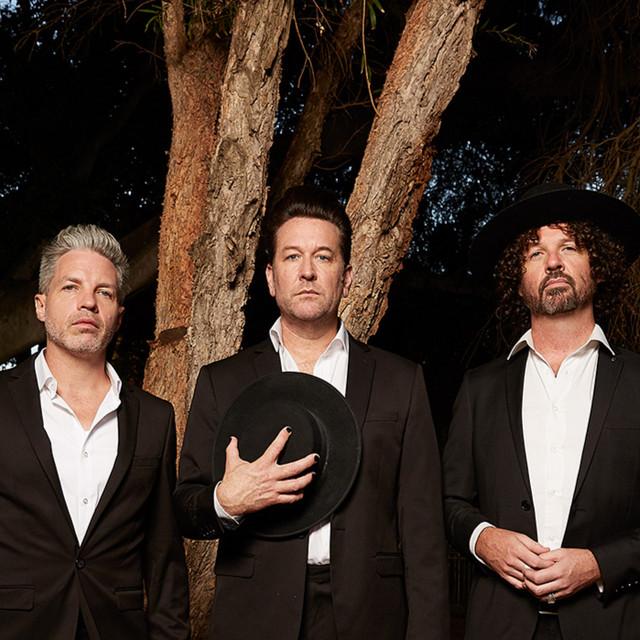
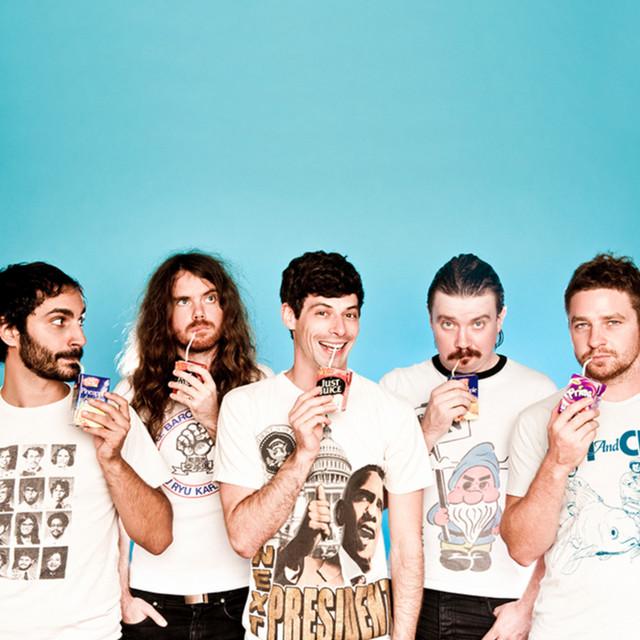
Faker’s Spotify BioFaker’s got new shoes. The Sydney band returned to the stage in Australia in April 2022 as frontperson, Nathan Hudson, returned from a spell of globetrotting in the name of making a new Faker album a reality.
Faker has always been Hudson’s baby: he founded the band in 1996 and, in 2013, wrote on Tumblr that he “broke the band up”. Hudson was the driving force behind the EPs, Sound Out Loud and Kids On Overload, that put Faker on the map in 2001; and it was his songwriting and Brit inflected croon that made Faker’s 2007 single “This Heart Attack” a commercial radio hit.
“This Heart Attack” reached #9 on the ARIA singles chart and achieved Platinum certification. It was voted #5 in the Hottest 100 of 2007, with Faker playing the main stage on the 2008 Big Day Out tour and a sold out headline shows at Sydney’s Enmore Theatre and The Forum in Melbourne.
Hudson revived the band’s social media accounts on October 4, 2020, writing, “I went on a big adventure and disbanded the band, because I… guess I needed to. Then the world went a little bit crazy and somewhere in the middle of that I figured out that I wanted to be in Faker again.”
13 months later, and after a few updates concerning the creation of a new Faker record, Hudson confirmed the Faker reunion was no joke and "we’re back”.
Since the announcement, Hudson’s been chipping away at a new Faker album and committing his new ideas to tape in the early months of 2022.
Viberate is a music analytics platform built for A&Rs, artist managers, labels, booking agents, marketers, and artists.
It helps music professionals track artist growth, analyze audience data, monitor playlist activity, compare artists, follow song performance, and identify opportunities across the music market.
Public artist pages provide a free preview of selected artist data. Paid plans provide access to deeper analytics, historical data, charts, comparisons, playlist tools, exports, alerts, reports, and additional professional features.
Yes. Public Viberate artist pages provide selected artist analytics and music data for free.
Viberate also offers a 7-day free trial of the full platform. A credit card is required to start the trial. The trial includes access to the complete product so users can test deeper artist analytics, historical views, playlist insights, comparisons, charts, exports, alerts, and reporting features before choosing a paid plan.
Viberate provides artist analytics across streaming, playlists, social media, video, radio airplay, songs, and audience markets.
Users can analyze Spotify performance, Spotify and Apple Music playlists, YouTube activity, TikTok and Instagram growth, radio spins, song performance, audience locations, demographics, rankings, and overall artist momentum.
Artist profiles also connect to music charts, similar artists, and comparison tools, helping users benchmark performance and evaluate artists in context.
Viberate updates key artist and track data daily.
For followed artists and tracks, selected data is refreshed multiple times per day. This helps teams monitor playlist changes, streaming movement, audience growth, releases, and campaign performance with more current data.
Update frequency can vary depending on the metric and data source.
Yes. Viberate lets users compare up to five artists side by side across streaming, social media, audience, and engagement metrics.
Users can compare fanbase growth, audience demographics, locations, Spotify performance, social metrics, and other artist data over selected time periods.
Artist comparison can be used for A&R scouting, benchmarking, booking decisions, campaign planning, and evaluating artists with similar audiences or market positions.