The Gants

Rock
Garage Rock
 Viberate Rank: 289809
 Viberate Rank: 289809
 Monthly ListenersFollowers
 Subscribers
 Followers
 Followers
 FansTop Spotify Songs
| Track | 7-Day Streams | |
|---|---|---|
1 | 1.07K | |
2 | 910 | |
3 | 879 | |
4 | 645 | |
5 | 220 |
Top YouTube VideosMonthly ListenersFeatured in Playlists| Playlist | Followers | |
|---|---|---|
1 |  Baroque Pop Spotify | 120.28K |
2 |  Nuggets I & II: Original Artyfacts Hans Selander | 37.11K |
3 | 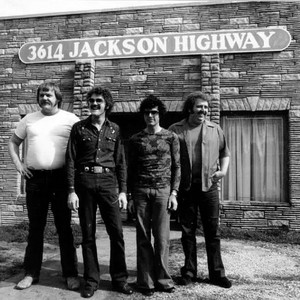 Muscle Shoals (1964-1980) Tyler Ross | 28.11K |
4 |  🔥PURE 60s GARAGE ROCK🔥 Kevin Gore | 11.57K |
5 | 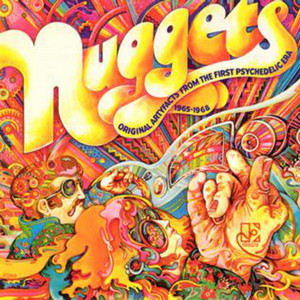 Nuggets: Complete Original Artyfacts Kevin Nielsen | 11.03K |
Audience| City | Monthly Listeners | |
|---|---|---|
1 | | 149 |
2 |  | 103 |
3 | | 98 |
4 | | 87 |
5 |  | 80 |
See full performance history, audience data, playlist activity, rankings, comparisons, and more in Viberate music analytics. Start with a free trial, then continue with a paid plan.
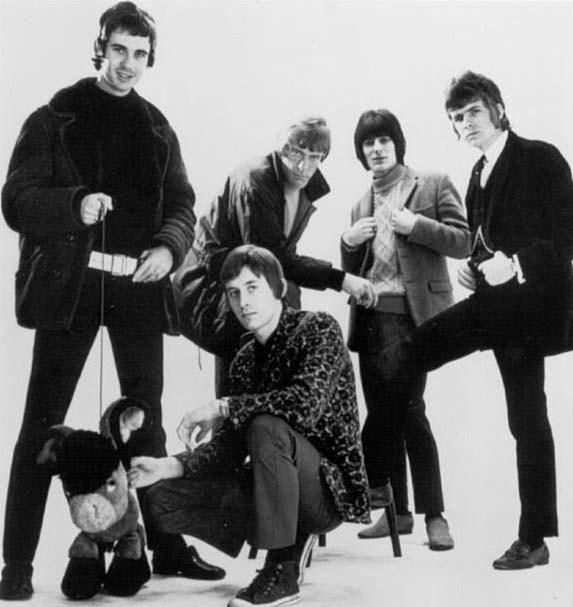
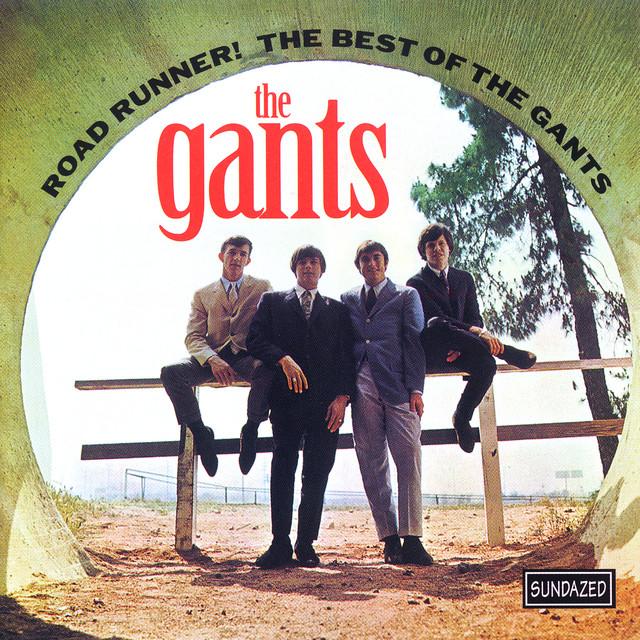
The Gants’ Spotify BioOne of the relatively few garage bands from the Deep South to make a national impression in the mid-'60s, the Gants hit the Top 50 in 1965 with their cover of "Roadrunner." Liberty Records then preceded to bleed the band dry by issuing three cover-heavy albums and five more singles in the next year and a half. They deserved better, because lead singer and guitarist Sid Herring was a performer and songwriter of some talent. Too Beatlesque to be considered a garage band in the usual mold, their original material approximated elements of the Fab Four's sound circa 1965 with a blend of mid-tempo acoustic and electric guitars, close harmonies, and a slight country feel. Herring himself sounded like Lennon, and he wasn't above reworking melodic phrases from "In My Life" and "From Me to You." The strong material tended to be dwarfed by their rushed, cover-heavy albums, and the group never had another hit after "Roadrunner." ~ Richie Unterberger
Viberate is a music analytics platform built for A&Rs, artist managers, labels, booking agents, marketers, and artists.
It helps music professionals track artist growth, analyze audience data, monitor playlist activity, compare artists, follow song performance, and identify opportunities across the music market.
Public artist pages provide a free preview of selected artist data. Paid plans provide access to deeper analytics, historical data, charts, comparisons, playlist tools, exports, alerts, reports, and additional professional features.
Yes. Public Viberate artist pages provide selected artist analytics and music data for free.
Viberate also offers a 7-day free trial of the full platform. A credit card is required to start the trial. The trial includes access to the complete product so users can test deeper artist analytics, historical views, playlist insights, comparisons, charts, exports, alerts, and reporting features before choosing a paid plan.
Viberate provides artist analytics across streaming, playlists, social media, video, radio airplay, songs, and audience markets.
Users can analyze Spotify performance, Spotify and Apple Music playlists, YouTube activity, TikTok and Instagram growth, radio spins, song performance, audience locations, demographics, rankings, and overall artist momentum.
Artist profiles also connect to music charts, similar artists, and comparison tools, helping users benchmark performance and evaluate artists in context.
Viberate updates key artist and track data daily.
For followed artists and tracks, selected data is refreshed multiple times per day. This helps teams monitor playlist changes, streaming movement, audience growth, releases, and campaign performance with more current data.
Update frequency can vary depending on the metric and data source.
Yes. Viberate lets users compare up to five artists side by side across streaming, social media, audience, and engagement metrics.
Users can compare fanbase growth, audience demographics, locations, Spotify performance, social metrics, and other artist data over selected time periods.
Artist comparison can be used for A&R scouting, benchmarking, booking decisions, campaign planning, and evaluating artists with similar audiences or market positions.