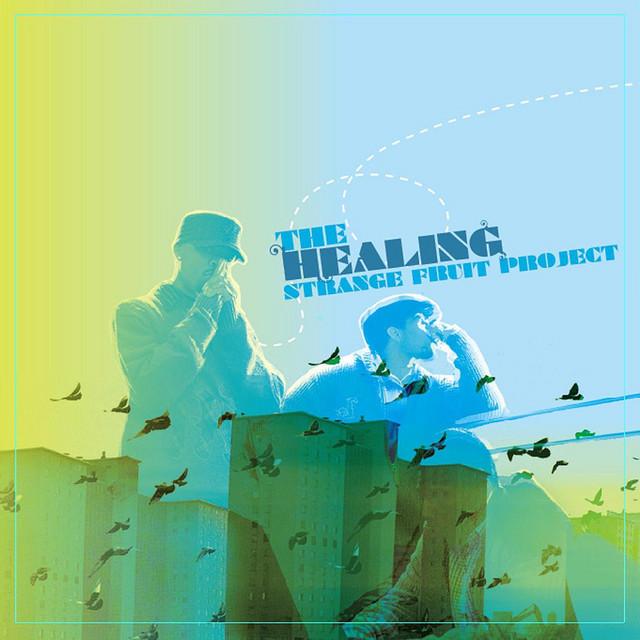
The Foreign Exchange

R&B
Neo Soul
Contemporary R&B
 Viberate Rank: 55992
 Viberate Rank: 55992
 Monthly ListenersFollowers
 Subscribers
 Followers
 Followers
 FansTop Spotify Songs
| Track | 7-Day Streams | |
|---|---|---|
1 | 13.61K | |
2 | 8.41K | |
3 | 7.50K | |
4 | 7.50K | |
5 | 6.49K |
Top YouTube VideosMonthly ListenersFeatured in Playlists| Playlist | Followers | |
|---|---|---|
1 |  real good shit Tom Misch | 165.62K |
2 |  Daily Favs - Fynn Kliemanns wichtigste Musik Fynn Kliemann | 96.13K |
3 | While You Work (@whileyouwork) Eli Feghali | 81.75K |
4 |  neo soul & chill Francesco Visone | 32.05K |
5 |  Boom Bap Instrumentals Rodrigo Blazinni | 27.92K |
Audience| City | Monthly Listeners | |
|---|---|---|
1 |  | 2.80K |
2 | | 2.57K |
3 | | 2.14K |
4 | | 2.04K |
5 | | 2.02K |
See full performance history, audience data, playlist activity, rankings, comparisons, and more in Viberate music analytics. Start with a free trial, then continue with a paid plan.
The Foreign Exchange’s Spotify BioRepresentative of how the Internet can aid in creating music, the Foreign Exchange started when Little Brother rapper Phonte heard a beat on Okayplayer.com by Dutch producer Nicolay and asked if he could lay some vocals over it. Nicolay agreed, and the song "Light It Up" appeared shortly thereafter as the B-side to Little Brother's 2002 single "Whatever You Say." Relying mainly on instant messaging and email, the duo continued to work together, with Nicolay sending beats to Phonte, who would add vocals and send them back until they had enough tracks together to form an album. Not once during the entire process of making their debut, Connected, which came out in 2004, did the members of the Foreign Exchange speak over the phone or in person.
Due in part to an increasing production load, Nicolay moved to the States, and Leave It All Behind, the second FE album -- more R&B-oriented than the debut -- was recorded. Released in 2008 and featuring a handful of stunning videos, its lead single,… "Daykeeper," was nominated for a 2010 Grammy in the category of Best Urban/Alternative Performance (and lost to India.Arie's "Pearls"). After assisting two of their associates, YahZarah (The Ballad of Purple St. James) and Zo! (SunStorm), with albums, the Foreign Exchange released Authenticity. All three sets were issued in 2010 through The Foreign Exchange Music. A DVD/CD set, Dear Friends: An Evening with the Foreign Exchange (2011) and a two-disc set of remixes and new songs titled The Reworks (2013) preceded the group's fourth studio album, Love in Flying Colors (also 2013). After a world tour and the release of Nicolay's City Lights, Vol. 3: Soweto -- an album inspired by the group's world tour dates in South Africa -- the group issued Tales from the Land of Milk and Honey (2015), a diverse set co-produced by Zo! that incorporated throwback house, Latin jazz, and even a playful nod to funk legends Slave. ~ Marisa Brown & Andy Kellman, Rovi
Viberate is a music analytics platform built for A&Rs, artist managers, labels, booking agents, marketers, and artists.
It helps music professionals track artist growth, analyze audience data, monitor playlist activity, compare artists, follow song performance, and identify opportunities across the music market.
Public artist pages provide a free preview of selected artist data. Paid plans provide access to deeper analytics, historical data, charts, comparisons, playlist tools, exports, alerts, reports, and additional professional features.
Yes. Public Viberate artist pages provide selected artist analytics and music data for free.
Viberate also offers a 7-day free trial of the full platform. A credit card is required to start the trial. The trial includes access to the complete product so users can test deeper artist analytics, historical views, playlist insights, comparisons, charts, exports, alerts, and reporting features before choosing a paid plan.
Viberate provides artist analytics across streaming, playlists, social media, video, radio airplay, songs, and audience markets.
Users can analyze Spotify performance, Spotify and Apple Music playlists, YouTube activity, TikTok and Instagram growth, radio spins, song performance, audience locations, demographics, rankings, and overall artist momentum.
Artist profiles also connect to music charts, similar artists, and comparison tools, helping users benchmark performance and evaluate artists in context.
Viberate updates key artist and track data daily.
For followed artists and tracks, selected data is refreshed multiple times per day. This helps teams monitor playlist changes, streaming movement, audience growth, releases, and campaign performance with more current data.
Update frequency can vary depending on the metric and data source.
Yes. Viberate lets users compare up to five artists side by side across streaming, social media, audience, and engagement metrics.
Users can compare fanbase growth, audience demographics, locations, Spotify performance, social metrics, and other artist data over selected time periods.
Artist comparison can be used for A&R scouting, benchmarking, booking decisions, campaign planning, and evaluating artists with similar audiences or market positions.