Strange Fruit Project

Hip Hop
Contemporary Hip Hop
 Viberate Rank: 173076
 Viberate Rank: 173076
 Monthly ListenersFollowers
 Subscribers
 Followers
 Followers
 FansTop Spotify Songs
| Track | 7-Day Streams | |
|---|---|---|
1 | 3.43K | |
2 | 2.97K | |
3 | 1.23K | |
4 | 1.05K | |
5 | 649 |
Top YouTube VideosMonthly ListenersFeatured in Playlists| Playlist | Followers | |
|---|---|---|
1 |  Mushroom Jazz 🍄 1-8 LoveJoy Stanton | 18.14K |
2 | Hip Hop Jazz marcstolz | 17.45K |
3 | Boom Bap/90s Rap Kharim Ames | 16.71K |
4 |  Chill hip hop Baylee Lefton | 15.80K |
5 |  Mushroom Jazz Om Records | 13.83K |
Audience| City | Monthly Listeners | |
|---|---|---|
1 |  | 744 |
2 |  | 705 |
3 |  | 688 |
4 | | 540 |
5 | | 415 |
See full performance history, audience data, playlist activity, rankings, comparisons, and more in Viberate music analytics. Start with a free trial, then continue with a paid plan.
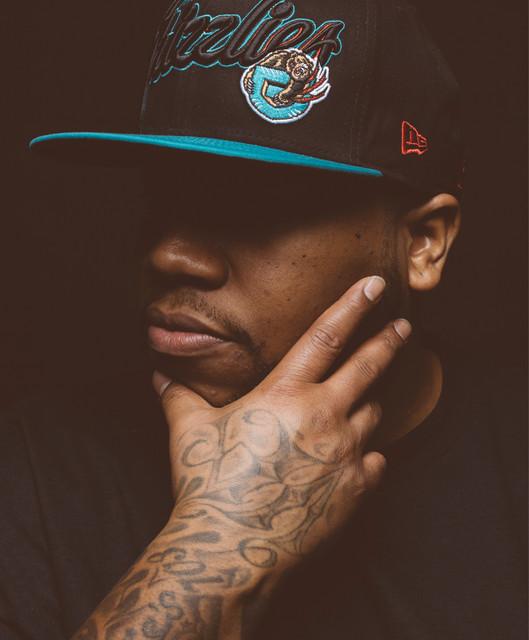
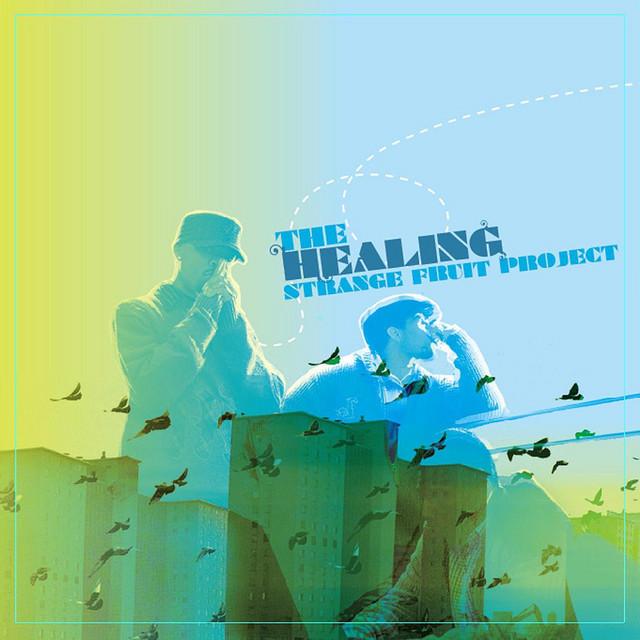
Strange Fruit Project’s Spotify BioWhen MC and producer S1 (Symbolyc One), who grew up playing piano and drums in his church in Waco, TX, wanted to start a band, it made sense for him to look no further than fellow MC and cousin Myth (Mythological). Though not much ever came from their group, Symbolic Elementz, in 1998 S1 met Myone through work, and when the cousins decided to go to the studio, Myone tagged along. When he joined in on one song, the trio soon realized how well they worked together. They chose the name Strange Fruit Project from the Billie Holiday song of the similar name, and in 2004 their record Soul Travelin' came out. After collaborating with Ghostface Killah in 2005 on the song "Milk 'Em," SFP gained more critical attention, and in 2006 they were signed to Om Records, which released The Healing the same year. ~ Marisa Brown, Rovi
Viberate is a music analytics platform built for A&Rs, artist managers, labels, booking agents, marketers, and artists.
It helps music professionals track artist growth, analyze audience data, monitor playlist activity, compare artists, follow song performance, and identify opportunities across the music market.
Public artist pages provide a free preview of selected artist data. Paid plans provide access to deeper analytics, historical data, charts, comparisons, playlist tools, exports, alerts, reports, and additional professional features.
Yes. Public Viberate artist pages provide selected artist analytics and music data for free.
Viberate also offers a 7-day free trial of the full platform. A credit card is required to start the trial. The trial includes access to the complete product so users can test deeper artist analytics, historical views, playlist insights, comparisons, charts, exports, alerts, and reporting features before choosing a paid plan.
Viberate provides artist analytics across streaming, playlists, social media, video, radio airplay, songs, and audience markets.
Users can analyze Spotify performance, Spotify and Apple Music playlists, YouTube activity, TikTok and Instagram growth, radio spins, song performance, audience locations, demographics, rankings, and overall artist momentum.
Artist profiles also connect to music charts, similar artists, and comparison tools, helping users benchmark performance and evaluate artists in context.
Viberate updates key artist and track data daily.
For followed artists and tracks, selected data is refreshed multiple times per day. This helps teams monitor playlist changes, streaming movement, audience growth, releases, and campaign performance with more current data.
Update frequency can vary depending on the metric and data source.
Yes. Viberate lets users compare up to five artists side by side across streaming, social media, audience, and engagement metrics.
Users can compare fanbase growth, audience demographics, locations, Spotify performance, social metrics, and other artist data over selected time periods.
Artist comparison can be used for A&R scouting, benchmarking, booking decisions, campaign planning, and evaluating artists with similar audiences or market positions.