The Fleetwoods

Pop
Mainstream Pop
Soul
 Viberate Rank: 21597
 Viberate Rank: 21597
 Monthly ListenersFollowers
 Subscribers
 Followers
 Followers
 FansTop Spotify Songs
| Track | 7-Day Streams | |
|---|---|---|
1 | 67.66K | |
2 | 62.92K | |
3 | 60.63K | |
4 | 60.63K | |
5 | 60.63K |
Top YouTube VideosMonthly ListenersFeatured in Playlists| Playlist | Followers | |
|---|---|---|
1 |  All Out 50s Spotify | 1.89M |
2 |  Soft 60s Spotify | 663.68K |
3 |  Soft 50s Spotify | 546.28K |
4 |  Doo-Wop Dee Doo Spotify | 252.51K |
5 |  romantic oldies🫀 𝐉𝐞𝐬𝐬🎰 | 78.95K |
Audience| City | Monthly Listeners | |
|---|---|---|
1 | | 6.11K |
2 | | 3.85K |
3 | | 3.83K |
4 |  | 3.74K |
5 |  | 3.30K |
See full performance history, audience data, playlist activity, rankings, comparisons, and more in Viberate music analytics. Start with a free trial, then continue with a paid plan.
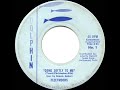
The Fleetwoods’ Spotify BioAlthough the Fleetwoods' sound was smooth, without many of the rougher edges of doo wop groups, they were one of the few white vocal groups of the late '50s and early '60s to enjoy success not only on the pop charts, but also the R&B charts. Their forte was ballads -- beginning with the 1959 debut single "Come Softly to Me," they racked up a number of hits over the next three years, and nearly all of them were ballads. The Fleetwoods broke up in 1963, but their songs -- particularly "Come Softly to Me" -- became pop/rock classics of the pre-British Invasion era.
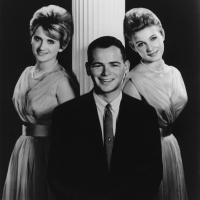
Gretchen Christopher, Barbara Ellis, and Gary Troxell formed the Fleetwoods while attending high school in Olympia, WA. Originally, the group consisted only of Christopher and Ellis, but the duo soon asked Troxell to accompany them on trumpet. Shortly after his arrival in the group, Troxell abandoned the trumpet and concentrated on singing once the other two members heard a portion of a song he had written. With some notable… contributions from Christopher and Ellis, the group wrote "Come Softly to Me" and began performing the song at various events around Olympia, eventually gaining the attention of Bob Reisdorff, who ran the Seattle-based label Dolphin Records.
Dolphin released "Come Softly to Me" early in 1959 and the song became an instant hit, climbing to number one on the pop charts and number five on the R&B charts; it also reached the Top Ten in U.K. The Fleetwoods weren't able to immediately produce a follow-up single as successful as their debut, but their third single, "Mr. Blue," was a number one pop and Top Five R&B hit in the U.S. in late 1959. By the time of its release, Dolphin had changed its name to Dolton. For the next three years, the Fleetwoods had a string of minor pop hits. The group wasn't able to consistently place singles in the upper regions of the charts partially because Troxell was drafted into the Navy at the height of the group's popularity at the end of 1959. Troxell was replaced by Vic Dana, who would later have a string of his own hit singles in the early '60s.
The Fleetwoods' last Top Ten single arrived in the spring of 1961, when "Tragedy" climbed the U.S. charts. The group disbanded two years later, after releasing its final single, a cover of Jesse Belvin's "Goodnight My Love." Over the next three decades, the Fleetwoods reunited occasionally to perform concerts and appear in oldies revues. In 1973, the group recorded an album with producer Jerry Dennon, but the resulting recordings were unsuccessful. In 1990, the Fleetwoods -- featuring Christopher, Troxell, and instead of Ellis a singer named Cheryl Huggins -- played a tour on the American oldies circuit after Rhino released the compact disc collection The Best of the Fleetwoods. ~ Stephen Thomas Erlewine, Rovi
Viberate is a music analytics platform built for A&Rs, artist managers, labels, booking agents, marketers, and artists.
It helps music professionals track artist growth, analyze audience data, monitor playlist activity, compare artists, follow song performance, and identify opportunities across the music market.
Public artist pages provide a free preview of selected artist data. Paid plans provide access to deeper analytics, historical data, charts, comparisons, playlist tools, exports, alerts, reports, and additional professional features.
Yes. Public Viberate artist pages provide selected artist analytics and music data for free.
Viberate also offers a 7-day free trial of the full platform. A credit card is required to start the trial. The trial includes access to the complete product so users can test deeper artist analytics, historical views, playlist insights, comparisons, charts, exports, alerts, and reporting features before choosing a paid plan.
Viberate provides artist analytics across streaming, playlists, social media, video, radio airplay, songs, and audience markets.
Users can analyze Spotify performance, Spotify and Apple Music playlists, YouTube activity, TikTok and Instagram growth, radio spins, song performance, audience locations, demographics, rankings, and overall artist momentum.
Artist profiles also connect to music charts, similar artists, and comparison tools, helping users benchmark performance and evaluate artists in context.
Viberate updates key artist and track data daily.
For followed artists and tracks, selected data is refreshed multiple times per day. This helps teams monitor playlist changes, streaming movement, audience growth, releases, and campaign performance with more current data.
Update frequency can vary depending on the metric and data source.
Yes. Viberate lets users compare up to five artists side by side across streaming, social media, audience, and engagement metrics.
Users can compare fanbase growth, audience demographics, locations, Spotify performance, social metrics, and other artist data over selected time periods.
Artist comparison can be used for A&R scouting, benchmarking, booking decisions, campaign planning, and evaluating artists with similar audiences or market positions.