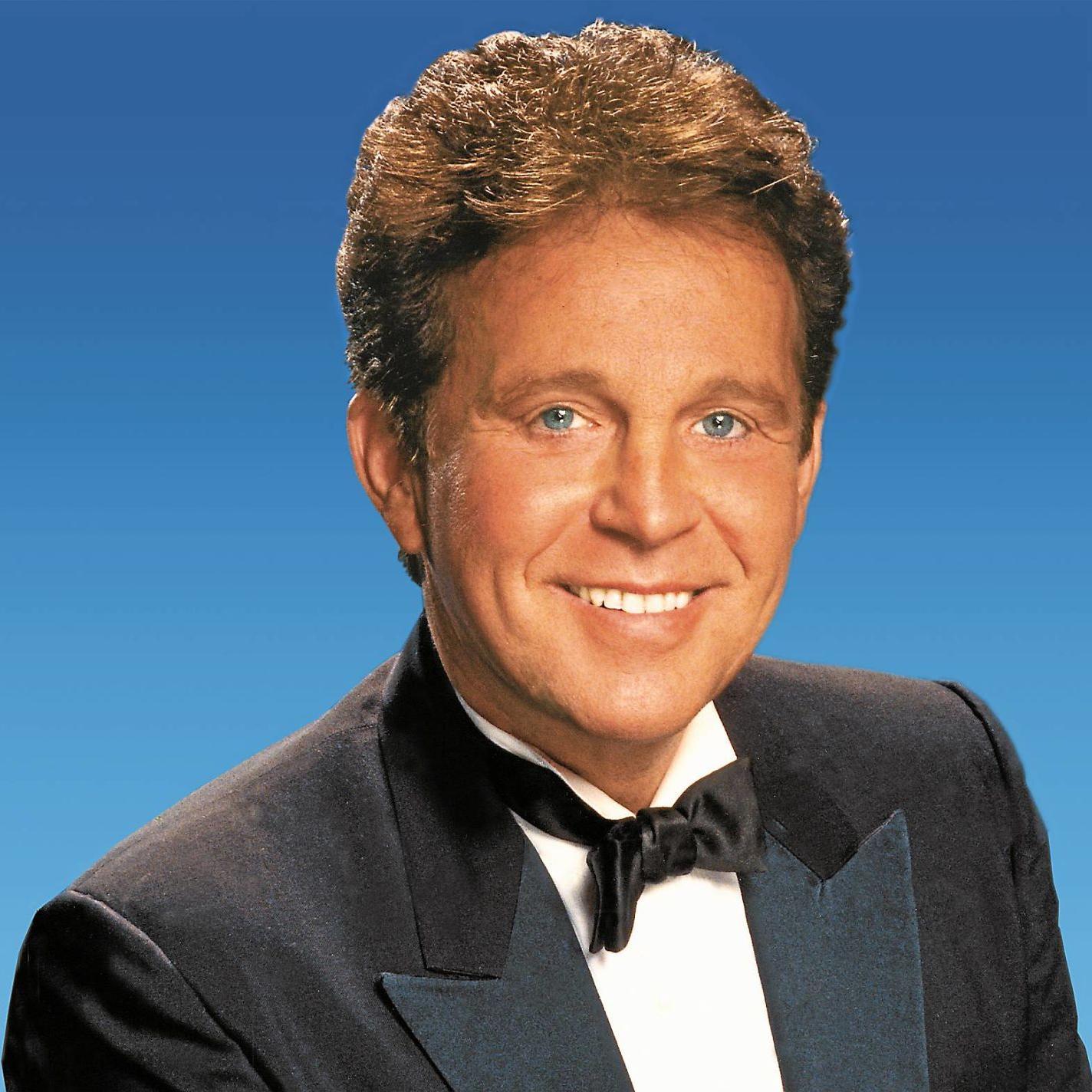
Bobby Vinton

Pop
Mainstream Pop
Soul
 Viberate Rank: 23961
 Viberate Rank: 23961
 Monthly ListenersFollowers
 Subscribers
 Followers
 Followers
 FansTop Spotify Songs
| Track | 7-Day Streams | |
|---|---|---|
1 | 203.19K | |
2 | 133.91K | |
3 | 65.43K | |
4 | 37.80K | |
5 | 31.51K |
Top YouTube Videos| Video | 7-Day Views | |
|---|---|---|
1 | 17.83K | |
2 | 9.14K | |
3 | 5.65K | |
4 | 5.51K | |
5 | 4.00K |
Monthly ListenersFeatured in Playlists| Playlist | Followers | |
|---|---|---|
1 |  All Out 50s Spotify | 1.89M |
2 |  Classic Oldies Spotify | 1.46M |
3 |  Soft 70s Spotify | 1.19M |
4 |  Soft 60s Spotify | 663.64K |
5 |  Old Songs Everyone Knows Ben Lillie | 566.23K |
Audience| City | Monthly Listeners | |
|---|---|---|
1 |  | 17.56K |
2 |  | 11.27K |
3 | | 10.72K |
4 |  | 9.98K |
5 |  | 9.07K |
See full performance history, audience data, playlist activity, rankings, comparisons, and more in Viberate music analytics. Start with a free trial, then continue with a paid plan.
Bobby Vinton’s Spotify BioEvery era needs its crooner, and in the early 1960s, it was Bobby Vinton. Vinton's sentimental balladeering and orchestral arrangements were a throwback to a decade earlier, before rock & roll had found its mass market. While much of his audience was young listeners for a time, what he sang was vocal pop, landing some of the biggest hits of the early '60s with "Roses Are Red (My Love)," "Blue on Blue," "There! I've Said It Again," "Mr. Lonely," and "Blue Velvet," the last of which has become his signature song in the wake of its notorious prominence in David Lynch's Blue Velvet.
Vinton originally aspired to lead a big band, and made big band versions of contemporary hits on his first recordings. When he began singing, however, he was quickly successful, reaching number one with "Roses Are Red (My Love)" in mid-1962. The saccharine arrangements set the mold for his emotional, occasionally mournful hits throughout the early part of the decade. 1963 was his banner year, as he hit number… three with "Blue on Blue," and then topped the charts with "Blue Velvet" and "There! I've Said It Again."
"There! I've Said It Again" was knocked out of the number one spot by the Beatles' "I Want to Hold Your Hand." But the British Invasion, surprisingly, didn't spell commercial death for Vinton, as it did for so many other balladeers and teen idols. Indeed, he had one of his biggest hits (and his final number one), the sobbing "Mr. Lonely," in late 1964. Although he didn't maintain quite the same superstar ranking, he was consistently popular throughout the next decade. Between 1962 and 1972, he had an astonishing 28 Top 40 entries. Often he updated quaint 1960-era pop tunes such as "Halfway to Paradise," "Take Good Care of My Baby," and "Sealed With a Kiss." A couple of these, "Please Love Me Forever" and "I Love How You Love Me," made the Top Ten, which was quite an anachronism in 1967 and 1968.
Vinton seemed to have launched a major comeback in 1974 with "Melody of Love," which reached number three and enjoys the distinction of being the only major American hit single sung partially in Polish. Only one more Top 40 hit was in the offing, though, after which Vinton enjoyed his own TV series for a few years in the late '70s, and he could count on lucrative gigs on the cabaret circuit until his retirement in 2015. ~ Richie Unterberger, Rovi
Viberate is a music analytics platform built for A&Rs, artist managers, labels, booking agents, marketers, and artists.
It helps music professionals track artist growth, analyze audience data, monitor playlist activity, compare artists, follow song performance, and identify opportunities across the music market.
Public artist pages provide a free preview of selected artist data. Paid plans provide access to deeper analytics, historical data, charts, comparisons, playlist tools, exports, alerts, reports, and additional professional features.
Yes. Public Viberate artist pages provide selected artist analytics and music data for free.
Viberate also offers a 7-day free trial of the full platform. A credit card is required to start the trial. The trial includes access to the complete product so users can test deeper artist analytics, historical views, playlist insights, comparisons, charts, exports, alerts, and reporting features before choosing a paid plan.
Viberate provides artist analytics across streaming, playlists, social media, video, radio airplay, songs, and audience markets.
Users can analyze Spotify performance, Spotify and Apple Music playlists, YouTube activity, TikTok and Instagram growth, radio spins, song performance, audience locations, demographics, rankings, and overall artist momentum.
Artist profiles also connect to music charts, similar artists, and comparison tools, helping users benchmark performance and evaluate artists in context.
Viberate updates key artist and track data daily.
For followed artists and tracks, selected data is refreshed multiple times per day. This helps teams monitor playlist changes, streaming movement, audience growth, releases, and campaign performance with more current data.
Update frequency can vary depending on the metric and data source.
Yes. Viberate lets users compare up to five artists side by side across streaming, social media, audience, and engagement metrics.
Users can compare fanbase growth, audience demographics, locations, Spotify performance, social metrics, and other artist data over selected time periods.
Artist comparison can be used for A&R scouting, benchmarking, booking decisions, campaign planning, and evaluating artists with similar audiences or market positions.