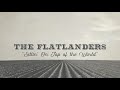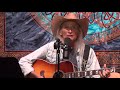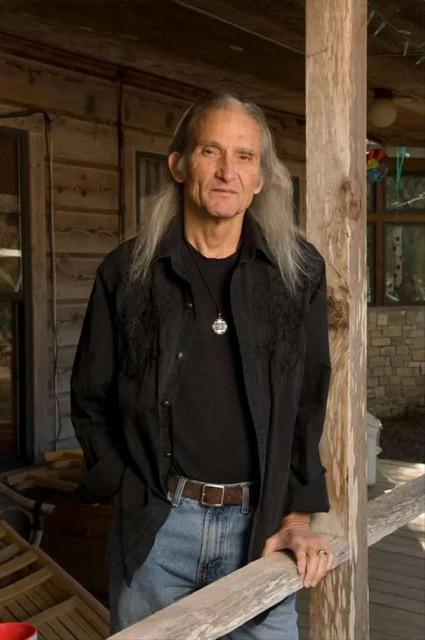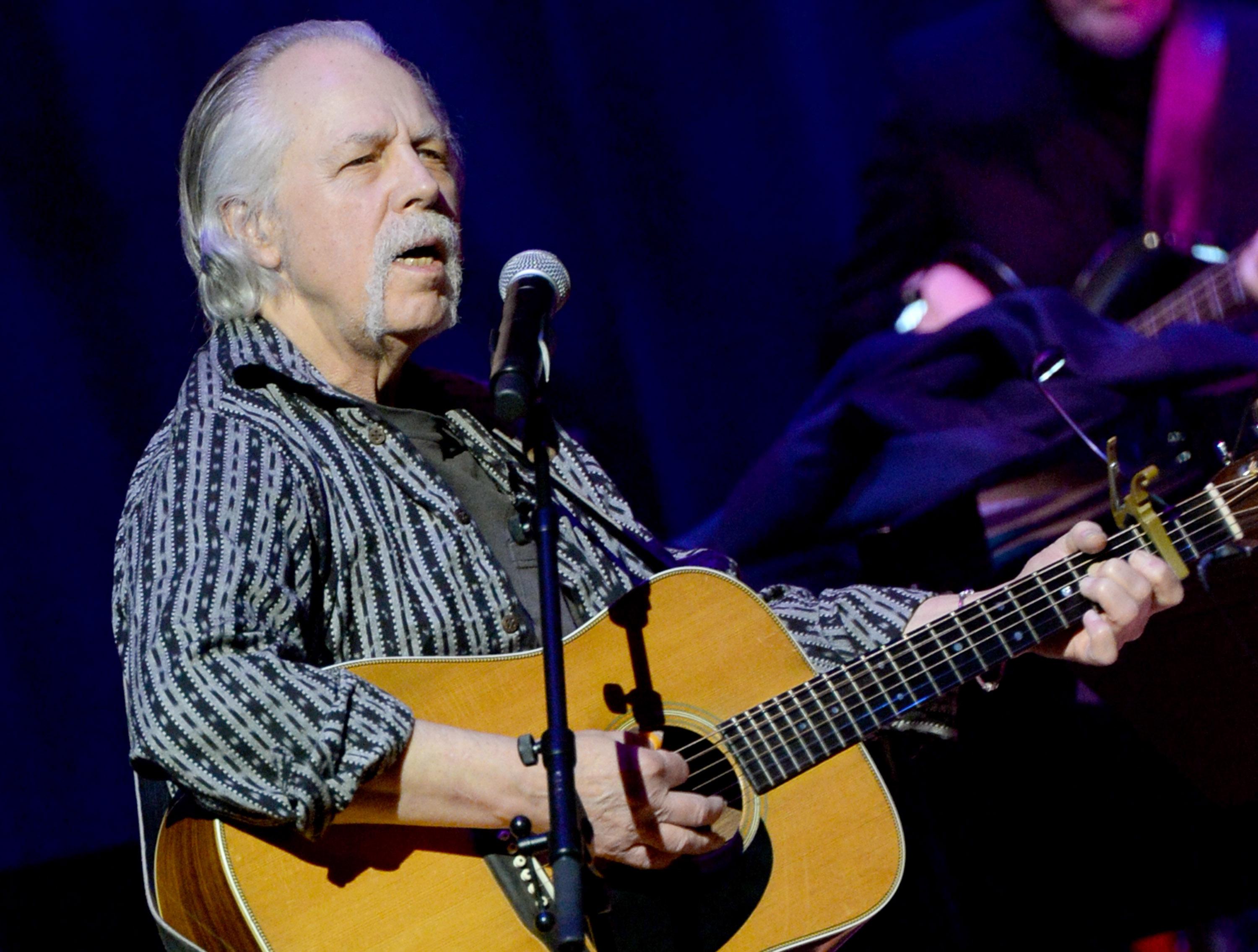
The Flatlanders

Country
Americana/Alt Country
Folk Rock
 Viberate Rank: 166076
 Viberate Rank: 166076
 Monthly ListenersFollowers
 Subscribers
 Followers
 Followers
 FansTop Spotify Songs
| Track | 7-Day Streams | |
|---|---|---|
1 | 3.89K | |
2 | 3.82K | |
3 | 3.51K | |
4 | 1.41K | |
5 | 1.30K |
Top YouTube Videos| Video | 7-Day Views | |
|---|---|---|
1 | 196 | |
2 | 98 | |
3 | 50 | |
4 | 15 | |
5 | 10 |
Monthly ListenersFeatured in Playlists| Playlist | Followers | |
|---|---|---|
1 | 100% Big Thief | 19.55K |
2 | FNL (unofficial) Hannah Peckham | 7.66K |
3 |  Outlaw Outpost Webbies | 7.48K |
4 |  Friday Night Lights the Playlist CiberneticoHB | 6.98K |
5 | Aquarium Drunkard Radio J.B. Spaulding | 6.26K |
Audience| City | Monthly Listeners | |
|---|---|---|
1 | | 717 |
2 | | 605 |
3 | | 598 |
4 | | 537 |
5 | | 528 |
See full performance history, audience data, playlist activity, rankings, comparisons, and more in Viberate music analytics. Start with a free trial, then continue with a paid plan.
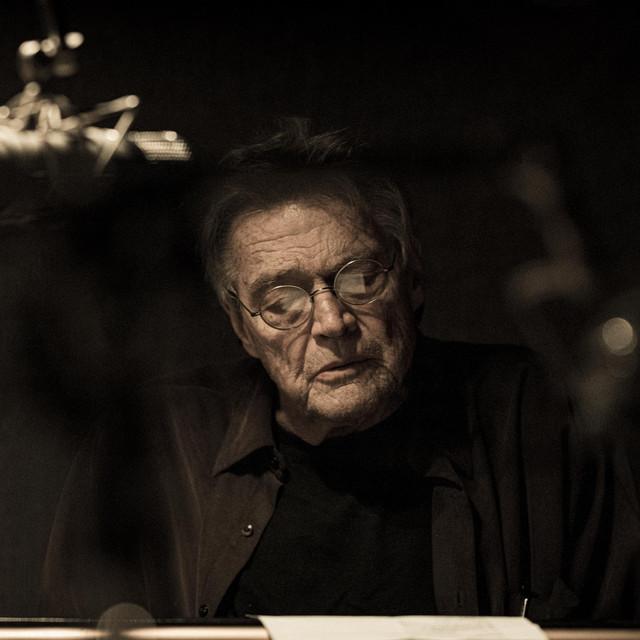
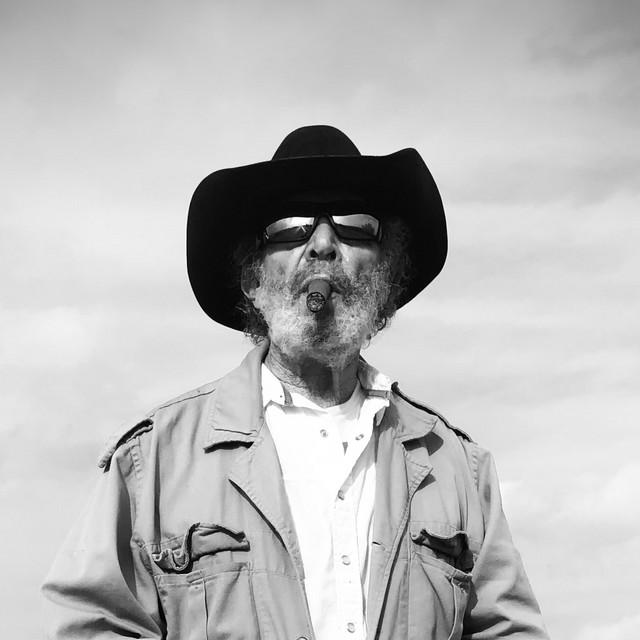
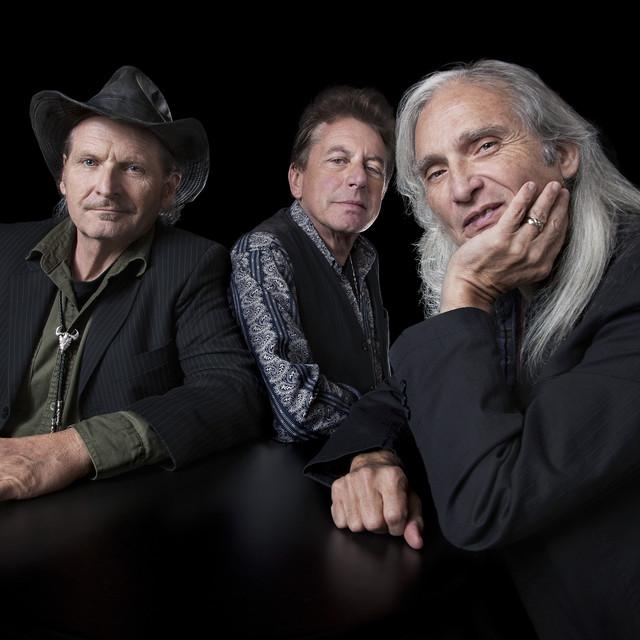
The Flatlanders’ Spotify BioThe 1990 Flatlanders compilation wasn't called More a Legend Than a Band for nothing. In the early '70s, they were briefly one of the first and most important acts to come out of the nascent Texas singer/songwriter community, with three tunesmiths who approached country music with a unique spirit of freedom and unpretentious literacy. In time, the group's key members -- Joe Ely, Jimmie Dale Gilmore, and Butch Hancock -- would become stars in their own right, and in the 2000s, the trio reunited on-stage and in the recording studio, periodically working together from then on. 2024's All American Music preserved the 1972 recordings that first made them cult heroes, 2002's Now Again was a reunion set that found them still welcome collaborators, and 2021's Treasure of Love showed they could still make magic after almost 50 years together.
The Flatlanders first came together in Lubbock, Texas, a college town in the West Texas panhandle. Lubbock in the early '70s was at once a fiercely… traditional bastion of conservative values and a place where creatively minded people could develop a unique and original style all their own, largely thanks to the celebrated liberal arts departments at Texas Tech University. The Flatlanders embodied both sides of this dichotomy, making music that was steeped in tradition but also a reflection of the "cosmic cowboy" mindset of the Texas counterculture. The group began in 1970, when school friends Butch Hancock, Joe Ely, and Jimmie Dale Gilmore all found themselves back in Lubbock after having spent time in, respectively, San Francisco, Europe, and Austin. The three musicians roomed together and began writing and playing music, with various other local musicians drifting in and out of the lineup. Before long, the group's roster solidified with Gilmore on lead vocals, Ely and Hancock on guitar, non-musician buddy Steve Wesson on autoharp and musical saw (both of which he learned for the express purpose of joining the group), Tommy Hancock (no relation) on fiddle, Sylvester Rice on upright bass, and Tony Pearson on mandolin. The band had only a handful of gigs before they cut an album-length demo tape at a little studio in Odessa, Texas, in 1972, but nothing came of it, and it sat unheard in Rice's closet for some 40 years before New West Records released it as The Odessa Tapes in 2012.
A month after that forgotten 1972 session, the group traveled to Nashville for another recording session. This one came about when the Flatlanders' manager, Lou Driver, met with another Lubbock native, Royce Clark, a freelance producer who worked for Shelby Singleton. Singleton was a small-time music mogul who owned the Sun Records catalog as well as operating Plantation Records, a label that had enjoyed success on the country charts with Jeannie C. Riley's "Harper Valley P.T.A." and the political novelty hit "The Battle Hymn of Lt. Calley" by C Company. Clark convinced Singleton to give the Flatlanders a chance, and they arrived in Nashville in March 1972, where they recorded enough material for a full album. Singleton released a promo single of the group's strongest cut, "Dallas," in late April of that year. The single attracted no radio attention, and although the album had been mastered and artwork prepared, Singleton scrubbed the release.
In 1973, the album was finally released, but just barely; All American Music, credited to Jimmie Dale & the Flatlanders, appeared on eight-track tape only. The tape showed up in Southern variety stores and truck stops, but with no promotion and distribution, that was spotty at best, and it vanished as quietly as it arrived. The group returned to Lubbock and played a few more gigs, but Wesson, Pearson, and Tommy Hancock all left the band by the end of 1972. The core trio played a few more gigs and drifted apart more than decisively breaking up.
That could have been the end of the story, but Ely struck out as a solo act and in 1977 released his first album for MCA. Critics loved the debut as well as the follow-up, 1978's Honky Tonk Masquerade, and he began attracting a loyal cult following. Meanwhile, Butch Hancock was developing a reputation as a first-rate songwriter, issuing West Texas Waltzes & Dust-Blown Tractor Tunes in 1978 and winning the respect of his Lone Star peers. Gilmore had written several songs for both of them, but he had retired from performing while he was studying with the Guru Maharaji. The hipper members of the Texas music community kept his reputation alive. In the mid-'80s, Gilmore returned to performing in his adopted hometown of Austin, releasing his solo debut, Fair & Square, in 1988. There was even a brief Flatlanders reunion at the Kerrville Folk Festival in the late '80s, as the reputation of the three songwriters sparked a new interest in their short-lived band, which more people had heard about than had ever been able to hear.
In 1990, after some partial reissues of the Flatlanders' material, Rounder Records released More a Legend Than a Band, which revived the original Jimmie Dale & the Flatlanders album, replacing the covers of "Hello Stranger" and "Waiting for a Train" with four previously unreleased tracks recorded during the same sessions. The collection received rapturous reviews and became a favorite with fans of what was coming to be known as roots music. In 1998, the Flatlanders were persuaded to reunite to write and record a new song, "South Wind of Summer," for the soundtrack of Robert Redford's film The Horse Whisperer, and they enjoyed the experience enough that they continued performing together. After some live work, the trio took their reunion into the studio, and in 2002, they released Now Again, 12 of whose 14 songs were written collectively by Ely, Hancock, and Gilmore.
The trio that had spent 30 years between their first and second albums managed to reduce their downtime to a mere two years with the release of Wheels of Fortune in 2004. A rare concert recording from the early '70s, Live at the One Knite, Austin TX, June 8th, 1972, also arrived that year. Five years later, the Flatlanders returned with another studio album, Hills and Valleys, which the band recorded with veteran pedal steel virtuoso (and acclaimed producer) Lloyd Maines. The three Flatlanders stayed busy with their solo careers, but they occasionally set out on tour together, and in 2021, they delivered their fifth studio album, Treasure of Love, a warm collection of originals and covers. In 2024, Omnivore Recordings issued All American Music, a collection that brought together all surviving songs from the Flatlanders' 1972 Nashville recording sessions, including four tracks that did not appear on More a Legend Than a Band, and an alternate take of "Dallas" that surfaced on a Bear Family compilation in 2015. ~ Stewart Mason & Mark Deming, Rovi
Viberate is a music analytics platform built for A&Rs, artist managers, labels, booking agents, marketers, and artists.
It helps music professionals track artist growth, analyze audience data, monitor playlist activity, compare artists, follow song performance, and identify opportunities across the music market.
Public artist pages provide a free preview of selected artist data. Paid plans provide access to deeper analytics, historical data, charts, comparisons, playlist tools, exports, alerts, reports, and additional professional features.
Yes. Public Viberate artist pages provide selected artist analytics and music data for free.
Viberate also offers a 7-day free trial of the full platform. A credit card is required to start the trial. The trial includes access to the complete product so users can test deeper artist analytics, historical views, playlist insights, comparisons, charts, exports, alerts, and reporting features before choosing a paid plan.
Viberate provides artist analytics across streaming, playlists, social media, video, radio airplay, songs, and audience markets.
Users can analyze Spotify performance, Spotify and Apple Music playlists, YouTube activity, TikTok and Instagram growth, radio spins, song performance, audience locations, demographics, rankings, and overall artist momentum.
Artist profiles also connect to music charts, similar artists, and comparison tools, helping users benchmark performance and evaluate artists in context.
Viberate updates key artist and track data daily.
For followed artists and tracks, selected data is refreshed multiple times per day. This helps teams monitor playlist changes, streaming movement, audience growth, releases, and campaign performance with more current data.
Update frequency can vary depending on the metric and data source.
Yes. Viberate lets users compare up to five artists side by side across streaming, social media, audience, and engagement metrics.
Users can compare fanbase growth, audience demographics, locations, Spotify performance, social metrics, and other artist data over selected time periods.
Artist comparison can be used for A&R scouting, benchmarking, booking decisions, campaign planning, and evaluating artists with similar audiences or market positions.