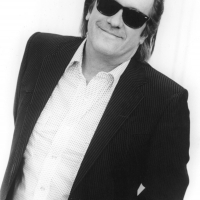
Doug Sahm

Country
Americana/Alt Country
Other Latin Music
 Viberate Rank: 132278
 Viberate Rank: 132278
 Monthly ListenersFollowers
 Subscribers
 Followers
 Followers
 FansTop Spotify Songs
| Track | 7-Day Streams | |
|---|---|---|
1 | 8.71K | |
2 | 7.10K | |
3 | 4.86K | |
4 | 2.89K | |
5 | 2.22K |
Top YouTube VideosMonthly ListenersFeatured in Playlists| Playlist | Followers | |
|---|---|---|
1 |  Best Low Rider Oldies🎭 truly | 82.65K |
2 |  Numero Group 26 Numero Group | 32.95K |
3 |  Tour of Duty - The Playlist Micha Bessems | 32.52K |
4 | Unofficial Reverb Radio Jeff Ferruzzo | 21.82K |
5 |  Slow Blues & Blues Rock | Don's Tunes Don's Tunes | 19.74K |
Audience| City | Monthly Listeners | |
|---|---|---|
1 | | 1.29K |
2 | | 1.00K |
3 | | 959 |
4 | | 926 |
5 | | 836 |
See full performance history, audience data, playlist activity, rankings, comparisons, and more in Viberate music analytics. Start with a free trial, then continue with a paid plan.
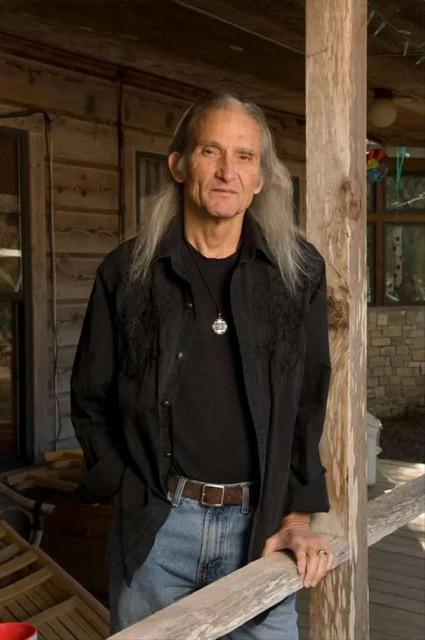
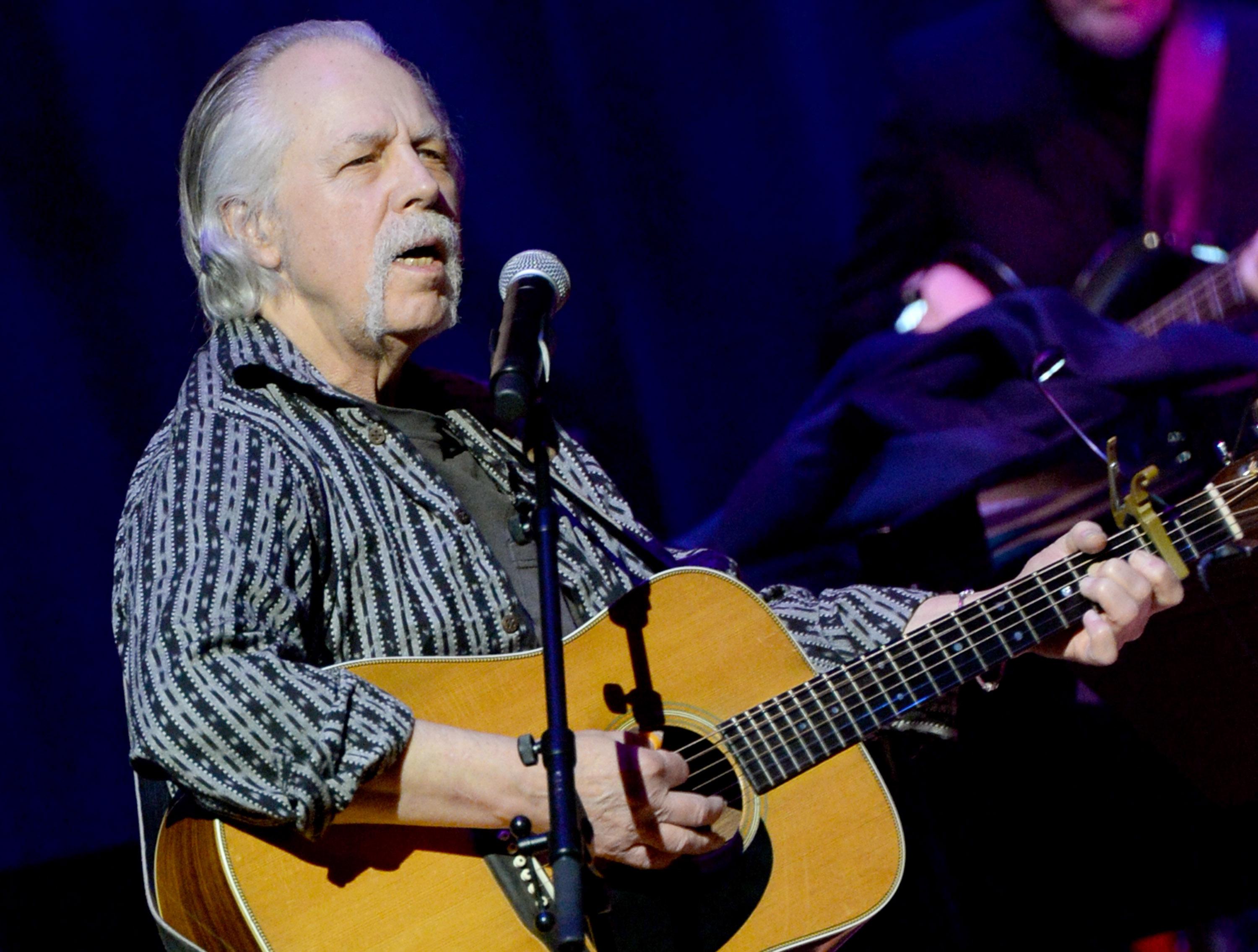
Doug Sahm’s Spotify BioBorn on November 6, 1941, in San Antonio, Texas, Doug Sahm was a highly knowledgeable and competent performer of Texan musical styles, whether they be blues, country, rock & roll, Western swing, Cajun, or polkas. A child prodigy, he appeared on radio at the age of five and became a featured player (steel guitar, fiddle, and mandolin) on the the Louisiana Hayride radio program, appearing with stars such as Webb Pierce, Hank Thompson, and Hank Williams. He made his recording debut on the Sarg imprint in 1955 with A Real American Joe under the name of Little Doug Sahm, and within three years was fronting the Pharaohs, the first of several rough-hewn backing groups including the Dell-Kings and the Mar-Kays. Sahm recorded a succession of singles for local labels, including his Little Richard pastiche "Crazy Daisy" (1959), "Just a Moment" b/w "Sapphire" (1961), and "Lucky Me" (1963). For several years, Sahm had been pestering producer Huey P. Meaux to record him. Meaux, having success with B…arbara Lynn and Dale & Grace, was not interested.
However, the producer found himself without a market when Beatlemania hit America, and shut himself away in a hotel with the Beatles’ records, determined to discover what made them sell. He then called Sahm, told him to grow his hair, form a band, and write a tune with a Cajun two-step beat. Accordingly, Sahm assembled his friends Augie Meyers (keyboards), Frank Morin (saxophone), Harvey Kagen (bass), and Johnny Perez (drums). Meaux gave them an English-sounding name, the Sir Douglas Quintet, and subsequently scored an international hit in 1965 with the catchy "She’s About a Mover." The band also had success in the U.S. charts with "The Rains Came," but after a drug possession arrest, they disbanded and Sahm moved to San Francisco to avoid a heavy fine. He formed the Honkey Blues Band but had difficulty in getting them on the road. He then gathered the rest of the Sir Douglas Quintet in California for another classic single, "Mendocino," its spoken introduction being characteristic of the hippie era. The album, also called Mendocino, was a forerunner of country-rock. The Sir Douglas Quintet toured Europe and made the successful Together After Five, while Sahm made an excellent country single under the name of Wayne Douglas, "Be Real." He moved to Prunedale in Northern California and befriended a Chicano band, Louie & the Lovers, producing their Rise.
Sahm, having resolved his problems with the authorities, went back to Texas and released the Sir Douglas Quintet album The Return of Doug Saldaña, a nickname given to him by Chicano musicians. The album, co-produced with Meaux, included an affectionate tribute to Freddy Fender, "Wasted Days and Wasted Nights," which prompted Meaux to resurrect Fender’s career and turn him into a country superstar. Sahm appeared with Kris Kristofferson in the movie Cisco Pike, which included a song performed by Sahm, "Michoacan." Its marijuana references kept it off radio. Atlantic Records’ key producer, Jerry Wexler, decided that progressive country was becoming fashionable and signed both Willie Nelson and Doug Sahm. The high-spirited 1973 album Doug Sahm and Band was made in New York with Bob Dylan, Dr. John, and accordionist Flaco Jiménez, and the singer achieved minor success with "(Is Anybody Going To) San Antone?" The Sir Douglas Quintet were resurrected intermittently, which resulted in two fine live albums, Wanted Very Much Alive and Back to the ’Dillo. Although it might seem strange that the band should tour with new wave outfit the Pretenders, Sahm’s voice and style were possibly an influence on Elvis Costello. Sahm himself stated, "I’m a part of Willie Nelson’s world and at the same time I’m a part of the Grateful Dead’s. I don’t ever stay in one bag."
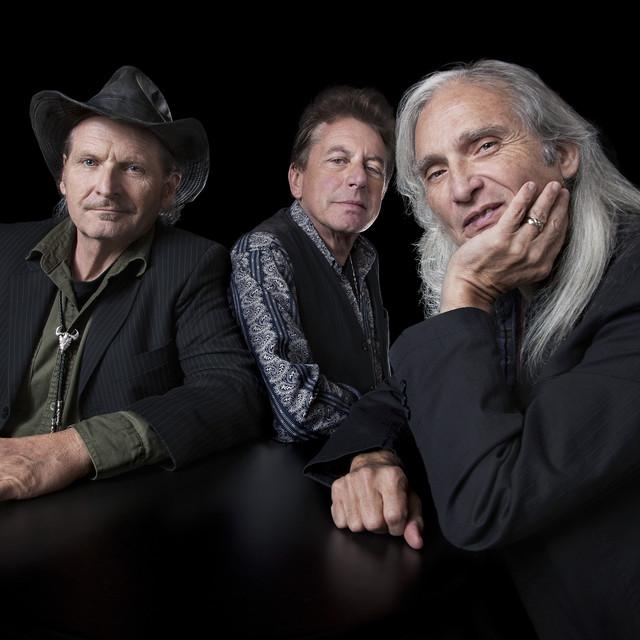
One of his finest albums was Hell of a Spell, a blues collection dedicated to Guitar Slim. During the mid-'80s Sahm and Meyers worked for the Swedish roots label Sonet Records, releasing several singles and an album that proved highly popular in Scandinavia. Sahm then relocated to Canada, recording the Return of the Formerly Brothers album with guitarist Amos Garrett and pianist Gene Taylor. He returned to Texas in 1988, basing himself at the Antone’s blues club in Austin and toured with Jiménez and Angela Strehli as the Texas R&B Revue. In 1990, Sahm formed the Texas Tornados with Meyers, Jiménez, and Fender. Their debut album, which included Sahm’s witty "Who Were You Thinkin’ Of?" and Butch Hancock’s "She Never Spoke Spanish to Me," showed that he had lost none of his powers, and subsequent Tornados releases were equally popular. Sahm also inaugurated the Last Real Texas Blues Band, an informal revue that played Tex-Mex and the blues.
In November 1999, Sahm was found dead from a heart attack in a New Mexico motel room. His rich musical legacy included the 1994 Sir Douglas Quintet release Day Dreaming at Midnight, featuring his sons Shawn and Shandon and produced by ex-Creedence Clearwater Revival drummer Doug Clifford. It was notable for "Too Little Too Late" and the blistering Bob Dylan pastiche "Dylan Come Lately." His final album, the posthumously released The Return of Wayne Douglas, appeared in 2000. ~ TiVo Staff, Rovi
Viberate is a music analytics platform built for A&Rs, artist managers, labels, booking agents, marketers, and artists.
It helps music professionals track artist growth, analyze audience data, monitor playlist activity, compare artists, follow song performance, and identify opportunities across the music market.
Public artist pages provide a free preview of selected artist data. Paid plans provide access to deeper analytics, historical data, charts, comparisons, playlist tools, exports, alerts, reports, and additional professional features.
Yes. Public Viberate artist pages provide selected artist analytics and music data for free.
Viberate also offers a 7-day free trial of the full platform. A credit card is required to start the trial. The trial includes access to the complete product so users can test deeper artist analytics, historical views, playlist insights, comparisons, charts, exports, alerts, and reporting features before choosing a paid plan.
Viberate provides artist analytics across streaming, playlists, social media, video, radio airplay, songs, and audience markets.
Users can analyze Spotify performance, Spotify and Apple Music playlists, YouTube activity, TikTok and Instagram growth, radio spins, song performance, audience locations, demographics, rankings, and overall artist momentum.
Artist profiles also connect to music charts, similar artists, and comparison tools, helping users benchmark performance and evaluate artists in context.
Viberate updates key artist and track data daily.
For followed artists and tracks, selected data is refreshed multiple times per day. This helps teams monitor playlist changes, streaming movement, audience growth, releases, and campaign performance with more current data.
Update frequency can vary depending on the metric and data source.
Yes. Viberate lets users compare up to five artists side by side across streaming, social media, audience, and engagement metrics.
Users can compare fanbase growth, audience demographics, locations, Spotify performance, social metrics, and other artist data over selected time periods.
Artist comparison can be used for A&R scouting, benchmarking, booking decisions, campaign planning, and evaluating artists with similar audiences or market positions.