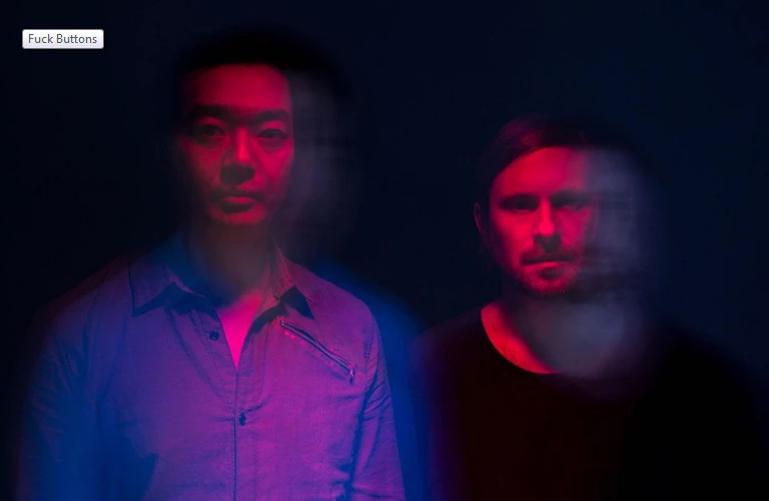
The Field

Electronic
Downtempo
Minimal Techno
 Viberate Rank: 91246
 Viberate Rank: 91246
 Monthly ListenersFollowers
 Subscribers
 Followers
 Followers
 FansTop Spotify Songs
| Track | 7-Day Streams | |
|---|---|---|
1 | 6.81K | |
2 | 6.16K | |
3 | 5.14K | |
4 | 4.94K | |
5 | 4.72K |
Top YouTube VideosMonthly ListenersFeatured in Playlists| Playlist | Followers | |
|---|---|---|
1 |  audífonos con cable Spotify | 414.99K |
2 |  Tame Impala Complete Tame Impala | 177.29K |
3 |  Minimal Techno alekzanther | 127.23K |
4 | Trip Hop // Beats Lapgan | 67.29K |
5 |  Bonobo presents OUTLIER Radio Bonobo | 63.87K |
Audience| City | Monthly Listeners | |
|---|---|---|
1 |  | 2.92K |
2 |  | 1.56K |
3 | | 1.45K |
4 | | 1.30K |
5 |  | 1.28K |
See full performance history, audience data, playlist activity, rankings, comparisons, and more in Viberate music analytics. Start with a free trial, then continue with a paid plan.
The Field’s Spotify BioAxel Willner is one of the Kompakt label's most beloved and polarizing techno artists. This is due to his richly emotive sound, which has varied only slightly across the years. The Swedish instrumentalist and producer debuted the Field with Things Keep Falling Down (February 2005). The second 12", Sun and Ice (April 2006), incorporated samples of Lionel Richie and Kate Bush and led to the Field's first album, From Here We Go Sublime (March 2007). Two of Willner's dreamiest and most impressive tracks appeared on Kompakt's Pop Ambient series prior to Yesterday and Today (May 2009), a rhythmically varied set due to the involvement of several instrumentalists, including Battles drummer John Stanier. Looping State of Mind (October 2011) boasted Willner's brawniest compounds of shoegaze, ambient dub, and techno. Cupid's Head (October 2013) and The Follower (April 2016), as indicated by their sleeve colors, offered darker moods and were, like the debut, created strictly by Willner.
His latest… work of beauty is called Infinite Moment (September 2018) which is a fresh take on the same concept. Increasingly perfecting his skill, this is one of his best records to date.
The producer has also taken part in the group Cologne Tape, and has recorded under a handful of solo aliases, including Loops of Your Heart, Hands, Lars Blek and Speedwax amongst others. ~ Andy Kellman, Rovi
Viberate is a music analytics platform built for A&Rs, artist managers, labels, booking agents, marketers, and artists.
It helps music professionals track artist growth, analyze audience data, monitor playlist activity, compare artists, follow song performance, and identify opportunities across the music market.
Public artist pages provide a free preview of selected artist data. Paid plans provide access to deeper analytics, historical data, charts, comparisons, playlist tools, exports, alerts, reports, and additional professional features.
Yes. Public Viberate artist pages provide selected artist analytics and music data for free.
Viberate also offers a 7-day free trial of the full platform. A credit card is required to start the trial. The trial includes access to the complete product so users can test deeper artist analytics, historical views, playlist insights, comparisons, charts, exports, alerts, and reporting features before choosing a paid plan.
Viberate provides artist analytics across streaming, playlists, social media, video, radio airplay, songs, and audience markets.
Users can analyze Spotify performance, Spotify and Apple Music playlists, YouTube activity, TikTok and Instagram growth, radio spins, song performance, audience locations, demographics, rankings, and overall artist momentum.
Artist profiles also connect to music charts, similar artists, and comparison tools, helping users benchmark performance and evaluate artists in context.
Viberate updates key artist and track data daily.
For followed artists and tracks, selected data is refreshed multiple times per day. This helps teams monitor playlist changes, streaming movement, audience growth, releases, and campaign performance with more current data.
Update frequency can vary depending on the metric and data source.
Yes. Viberate lets users compare up to five artists side by side across streaming, social media, audience, and engagement metrics.
Users can compare fanbase growth, audience demographics, locations, Spotify performance, social metrics, and other artist data over selected time periods.
Artist comparison can be used for A&R scouting, benchmarking, booking decisions, campaign planning, and evaluating artists with similar audiences or market positions.