
Andy Stott

Electronic
Other Electronic Music
Dub Techno
 Viberate Rank: 54993
 Viberate Rank: 54993
 Monthly ListenersFollowers
 Subscribers
 Followers
 Followers
 FansTop Spotify Songs
| Track | 7-Day Streams | |
|---|---|---|
1 | 19.31K | |
2 | 9.54K | |
3 | 8.42K | |
4 | 8.32K | |
5 | 7.55K |
Top YouTube VideosMonthly ListenersFeatured in Playlists| Playlist | Followers | |
|---|---|---|
1 |  Electronica Romantica Spotify | 299.01K |
2 |  IDM Essentials Spotify | 204.19K |
3 |  Fresh Finds Experimental Spotify | 203.87K |
4 | amandaemcee | 69.74K |
5 | 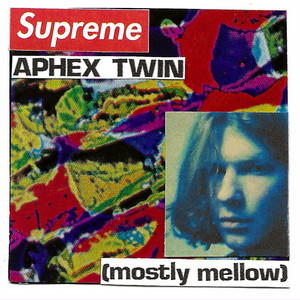 Aphex Twin: [mostly mellow] for Supreme Supreme | 44.15K |
Audience| City | Monthly Listeners | |
|---|---|---|
1 | | 5.25K |
2 |  | 4.12K |
3 |  | 3.01K |
4 | | 2.77K |
5 | | 2.68K |
See full performance history, audience data, playlist activity, rankings, comparisons, and more in Viberate music analytics. Start with a free trial, then continue with a paid plan.
Andy Stott’s Spotify BioAndy Stott has progressed from making high-quality dub techno to exploring singular and more adventurous strains integrating hardcore techno, post-punk, and dream pop -- among other inspirations -- that have evoked feelings ranging from dread to exhilaration. A few years after he made his full-length debut with Merciless (2006), Stott took a sharp left turn with Passed Me By and We Stay Together (both 2011), grinding mini-albums descriptively (if humorously) termed as "knackered house." That creative breakthrough has helped fuel the British producer's distinctive subsequent albums, from the definitive Luxury Problems (2012) to Never the Right Time (2021), all of which have mixed the atmospheric vocals of Alison Skidmore with a host of sampled and processed voices. Stott has also recorded under the name Andrea and has collaborated under the guises of Millie & Andrea and Hate.
Originally from Oldham, Stott has been based elsewhere around and within Manchester, home to Modern Love, the… outlet for all of his original productions. Too young to have experienced rave culture firsthand, he was nonetheless a voracious listener, and in school started playing keyboards, mimicking the sounds he heard on hardcore tapes. In his early teens, at the suggestion of piano teacher Alison Skidmore, Stott ceased formal music training to pursue sound design, starting with studio emulator Reason. In his early twenties, having fallen in with the Modern Love label and its artists, Stott made his 12" debut with 2005's Replace EP, and by the end of that year, he released two additional EPs. His first album, Merciless, arrived in 2006. Numerous EPs were issued through 2008, the year Stott also released Unknown Exception, a selection of previously 12"-only tracks dating back to Replace. Another handful of EPs followed through 2010, but Stott was more prolific during this period as Andrea, one-half of Millie & Andrea (with Demdike Stare's Miles Whittaker), and one-third of Hate (with Whittaker and Gary Howell, aka G.H.).
Stott made a significant creative advance in 2011 with Passed Me By and We Stay Together, a pair of creep-outs rooted in sludgy, unsettling rhythms and smudged samples. The mini-albums were combined and expanded for double-CD release around the time Wire magazine listed We Stay Together on its year-end Top 50. Whereas many producers renounce sampling to use all-original instrumentation with the intent to further distinguish themselves, Stott had taken the less common approach, and in turn created his most individual music to that point. As he continued to mix played, programmed, and sampled elements, Stott sought Alison Skidmore as a recording collaborator. The opera-trained vocalist added another layer to Stott's sound on the 2012 album Luxury Problems, another year-end Wire favorite and Stott's first release to register on Billboard's Top Dance/Electronic Albums chart in the U.S.
Stott then deviated with Miles Whittaker to release the Millie & Andrea LP Drop the Vowels in early 2014. He returned toward the end of the year with Faith in Strangers, containing some of his harshest and gentlest material, with Skidmore's voice more prominent than before. Two more albums were out by the end of the 2010s. For Too Many Voices, a 2016 release combining some of his most physical rhythms with crystalline keyboard melodies, Stott cited grime mixtapes and David Sylvian and Ryuichi Sakamoto's 1982 avant-pop collaboration as inspirations. Closing out the decade was It Should Be Us, a double EP with a greater emphasis on club-oriented tracks. By that point, Stott's impressive remix discography included tracks by Vladislav Delay, Tricky, Martin Gore, and Sakamoto.
It Should Be Us was surprise-released with the promise of an album due in 2020, but a disruption in Stott's life put a follow-up on hold. After a phase of inactivity, Stott felt reinvigorated and finished Never the Right Time before the end of that year. The album, lighter in touch than Stott's previous LPs, yet just as full of emotion, arrived in 2021. ~ Andy Kellman, Rovi
Viberate is a music analytics platform built for A&Rs, artist managers, labels, booking agents, marketers, and artists.
It helps music professionals track artist growth, analyze audience data, monitor playlist activity, compare artists, follow song performance, and identify opportunities across the music market.
Public artist pages provide a free preview of selected artist data. Paid plans provide access to deeper analytics, historical data, charts, comparisons, playlist tools, exports, alerts, reports, and additional professional features.
Yes. Public Viberate artist pages provide selected artist analytics and music data for free.
Viberate also offers a 7-day free trial of the full platform. A credit card is required to start the trial. The trial includes access to the complete product so users can test deeper artist analytics, historical views, playlist insights, comparisons, charts, exports, alerts, and reporting features before choosing a paid plan.
Viberate provides artist analytics across streaming, playlists, social media, video, radio airplay, songs, and audience markets.
Users can analyze Spotify performance, Spotify and Apple Music playlists, YouTube activity, TikTok and Instagram growth, radio spins, song performance, audience locations, demographics, rankings, and overall artist momentum.
Artist profiles also connect to music charts, similar artists, and comparison tools, helping users benchmark performance and evaluate artists in context.
Viberate updates key artist and track data daily.
For followed artists and tracks, selected data is refreshed multiple times per day. This helps teams monitor playlist changes, streaming movement, audience growth, releases, and campaign performance with more current data.
Update frequency can vary depending on the metric and data source.
Yes. Viberate lets users compare up to five artists side by side across streaming, social media, audience, and engagement metrics.
Users can compare fanbase growth, audience demographics, locations, Spotify performance, social metrics, and other artist data over selected time periods.
Artist comparison can be used for A&R scouting, benchmarking, booking decisions, campaign planning, and evaluating artists with similar audiences or market positions.