Feedtime

Rock
Alternative Rock
Noise Rock
 Viberate Rank: 384683
 Viberate Rank: 384683
 Monthly ListenersFollowers
 Subscribers
 Followers
 Followers
 FansTop Spotify Songs
| Track | 7-Day Streams | |
|---|---|---|
1 | 222 | |
2 | 144 | |
3 | 93 | |
4 | 83 | |
5 | 77 |
Top YouTube VideosMonthly ListenersFeatured in Playlists| Playlist | Followers | |
|---|---|---|
1 |  Matador Recommends Matador Records | 4.81K |
2 |  Grunge Underground Caio Pizzol | 2.96K |
3 |  Bedroom Pop/Indie Rock/Indie Pop/Dreampop/Shoegaze/LoFi/Chillwave Morgana | 2.08K |
4 |  The Sound of Noise Punk The Sounds of Spotify | 1.87K |
5 | 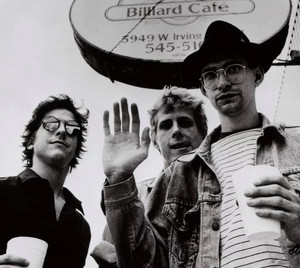 🚫 Rapeman BradO 🛸 | 1.05K |
Audience| City | Monthly Listeners | |
|---|---|---|
1 | | 66 |
2 | | 64 |
3 | | 30 |
4 |  | 27 |
5 | | 23 |
See full performance history, audience data, playlist activity, rankings, comparisons, and more in Viberate music analytics. Start with a free trial, then continue with a paid plan.
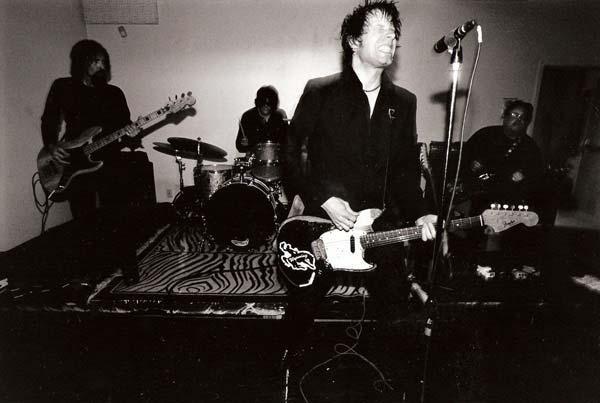
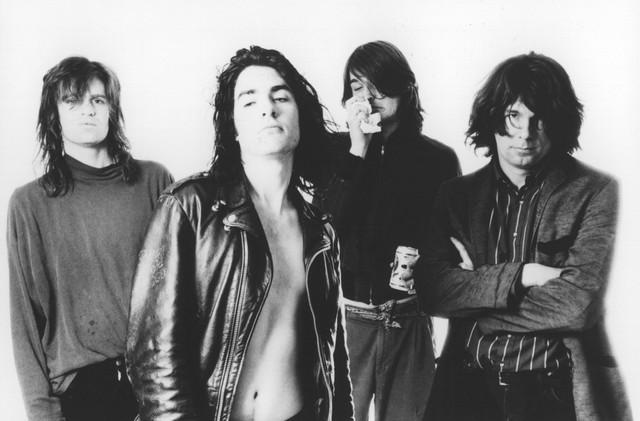
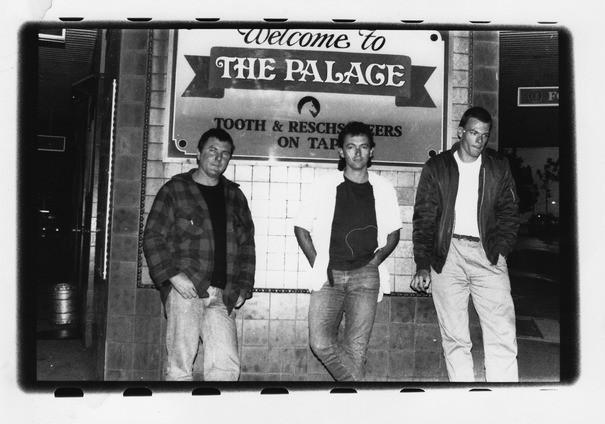
Feedtime’s Spotify BioAustralia's feedtime (the name was deliberately spelled with a lower-case f) earned a rabid cult following for their primal and bruisingly powerful, bass-heavy sound, a walloping fusion of punk rock, blues, and hard rock. Feedtime was formed in 1979 by a pair of friends from Sydney, Australia, Rick and Allen (just as they dismissed the capital "f", they didn't bother with last names); Rick played guitar (he was especially adept at bottleneck slide riffs) and his tastes ran to Rose Tattoo and the Aussie punk band X (not to be confused with the Los Angeles band of the same name), while Allen enjoyed acoustic blues and took up the bass. They recruited a drummer named Dave, but he grew tired of the way the group's music polarized audiences, and left the band in 1981. After Allen's sister handled the percussion chores for a while, they discovered one of their fans, Tom, was a musician with a talent for drumming, and he became feedtime's permanent drummer. In 1985, the trio financed and… released their self-titled debut album; a pair of songs from the sessions appeared on a compilation from the Australian indie label Aberrant Records, and label head Bruce Griffiths liked them enough to sign feedtime to a recording deal. Aberrant released feedtime's second album, Shovel, in Australia, while Rough Trade struck a deal to issue the record in the United States. A third album appeared later the same year; Cooper-S was a collection of cover tunes filtered through feedtime's musical world view, including songs by the Rolling Stones, the Stooges, the Ramones, and the Beach Boys. Butch Vig joined the production team for the group's fourth album, mixing the tracks for 1989's Suction, and the result was feedtime's most accessible release, but long-simmering tensions within the group came to a head, and shortly before the band was to launch their first American tour, feedtime broke up. They band reunited for some live dates in 1994, and two years later they recorded a one-off reunion album, Billy, with new drummer John sitting in for the absent Tom (the celebrated noise rock label Amphetamine Reptile released the album in America). In 2012, Sub Pop Records, whose flagship act Mudhoney were long avowed feedtime fans, released The Aberrant Years, a box set which collected the group's first four albums, and in support, feedtime staged a short reunion tour of the United States. Rick, Al, and Tom would reunite in the recording studio a few years later, and 2017 saw the release of their first studio album in 21 years, Gas, which saw them doing business with another stellar indie label, In the Red Records. ~ Mark Deming, Rovi
Viberate is a music analytics platform built for A&Rs, artist managers, labels, booking agents, marketers, and artists.
It helps music professionals track artist growth, analyze audience data, monitor playlist activity, compare artists, follow song performance, and identify opportunities across the music market.
Public artist pages provide a free preview of selected artist data. Paid plans provide access to deeper analytics, historical data, charts, comparisons, playlist tools, exports, alerts, reports, and additional professional features.
Yes. Public Viberate artist pages provide selected artist analytics and music data for free.
Viberate also offers a 7-day free trial of the full platform. A credit card is required to start the trial. The trial includes access to the complete product so users can test deeper artist analytics, historical views, playlist insights, comparisons, charts, exports, alerts, and reporting features before choosing a paid plan.
Viberate provides artist analytics across streaming, playlists, social media, video, radio airplay, songs, and audience markets.
Users can analyze Spotify performance, Spotify and Apple Music playlists, YouTube activity, TikTok and Instagram growth, radio spins, song performance, audience locations, demographics, rankings, and overall artist momentum.
Artist profiles also connect to music charts, similar artists, and comparison tools, helping users benchmark performance and evaluate artists in context.
Viberate updates key artist and track data daily.
For followed artists and tracks, selected data is refreshed multiple times per day. This helps teams monitor playlist changes, streaming movement, audience growth, releases, and campaign performance with more current data.
Update frequency can vary depending on the metric and data source.
Yes. Viberate lets users compare up to five artists side by side across streaming, social media, audience, and engagement metrics.
Users can compare fanbase growth, audience demographics, locations, Spotify performance, social metrics, and other artist data over selected time periods.
Artist comparison can be used for A&R scouting, benchmarking, booking decisions, campaign planning, and evaluating artists with similar audiences or market positions.