the everybodyfields

Country
Americana/Alt Country
 Viberate Rank: 428721
 Viberate Rank: 428721
 Monthly ListenersFollowers
 Subscribers
 Followers
 Followers
 FansTop Spotify Songs
| Track | 7-Day Streams | |
|---|---|---|
1 | 267 | |
2 | 244 | |
3 | 196 | |
4 | 103 | |
5 | 92 |
Top YouTube VideosMonthly ListenersFeatured in Playlists| Playlist | Followers | |
|---|---|---|
1 | dorian.liao | 16.79K |
2 |  Folk & Bluegrass Geoffrey Spaid | 1.85K |
3 | Camino De Santiago Playlist ryanosmith | 1.63K |
4 | Alternative country/folk/indie Wesley Bracey | 1.54K |
Audience| City | Monthly Listeners | |
|---|---|---|
1 | | 81 |
2 | | 59 |
3 | | 51 |
4 | | 50 |
5 | | 46 |
See full performance history, audience data, playlist activity, rankings, comparisons, and more in Viberate music analytics. Start with a free trial, then continue with a paid plan.
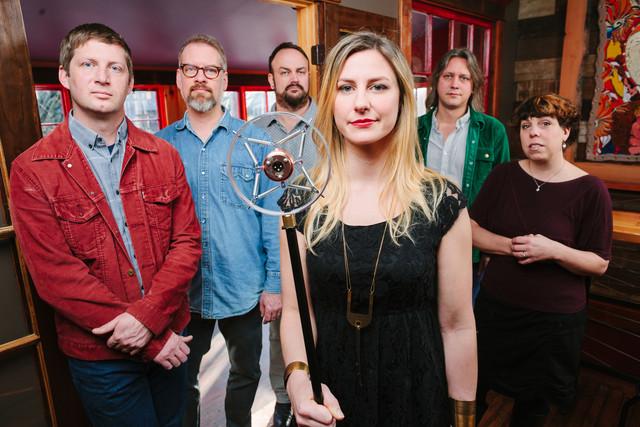
the everybodyfields’ Spotify BioEmbracing a sound that combined the high lonesome mood of traditional country with the edgy emotional energy of contemporary alt-country, the Everybodyfields were an acoustic-based act from Johnson City, TN, anchored by singers and multi-instrumentalists Jill Andrews and Sam Quinn. Describing their music as "harmony-driven songs about leaving, losing and home," the Everybodyfields' story began in 1999, when Andrews and Quinn met while both were working at a summer camp in Walland, TN. Discovering they shared a similar passion for the sorrowful sounds of classic country, Andrews and Quinn (who were both 19 at the time) began writing songs together, and while they parted company for a while after returning to Johnson City, Quinn saw Andrews performing with Dobro player David Richey and asked to join the act. Andrews and Richey agreed, and they formed the first edition of the Everybodyfields. The group's lineup would remain fluid over the next several years, with Andrews and Quinn sometim…es performing as a duo, sometimes as a trio with Richey, and sometimes with as many as five musicians on-stage.
In 2004, the group released their debut album, Half-Way There: Electricity & the South, which appeared on their own Captain Mexico label. The Everybodyfields' second album, Plague of Dreams, was released by Captain Mexico in the fall of 2005, but in 2006 Richey parted ways with the group to pursue a career in bluegrass music. Andrews and Quinn added Josh Oliver (on guitar and keyboards) and Tom Pryor (on pedal steel) to their regular lineup, and the new version of the Everybodyfields attracted the attention of Ramseur Records, an independent label that had been enjoying great success with the Avett Brothers, who had often shared stages with Andrews and Quinn. Ramseur released the Everybodyfields' third and most ambitious album, Nothing Is Okay, in the summer of 2007. Two years later, however, the bandmates announced their decision to split up, with Jill Andrews and Sam Quinn both going on to launch solo careers. ~ Mark Deming, Rovi
Viberate is a music analytics platform built for A&Rs, artist managers, labels, booking agents, marketers, and artists.
It helps music professionals track artist growth, analyze audience data, monitor playlist activity, compare artists, follow song performance, and identify opportunities across the music market.
Public artist pages provide a free preview of selected artist data. Paid plans provide access to deeper analytics, historical data, charts, comparisons, playlist tools, exports, alerts, reports, and additional professional features.
Yes. Public Viberate artist pages provide selected artist analytics and music data for free.
Viberate also offers a 7-day free trial of the full platform. A credit card is required to start the trial. The trial includes access to the complete product so users can test deeper artist analytics, historical views, playlist insights, comparisons, charts, exports, alerts, and reporting features before choosing a paid plan.
Viberate provides artist analytics across streaming, playlists, social media, video, radio airplay, songs, and audience markets.
Users can analyze Spotify performance, Spotify and Apple Music playlists, YouTube activity, TikTok and Instagram growth, radio spins, song performance, audience locations, demographics, rankings, and overall artist momentum.
Artist profiles also connect to music charts, similar artists, and comparison tools, helping users benchmark performance and evaluate artists in context.
Viberate updates key artist and track data daily.
For followed artists and tracks, selected data is refreshed multiple times per day. This helps teams monitor playlist changes, streaming movement, audience growth, releases, and campaign performance with more current data.
Update frequency can vary depending on the metric and data source.
Yes. Viberate lets users compare up to five artists side by side across streaming, social media, audience, and engagement metrics.
Users can compare fanbase growth, audience demographics, locations, Spotify performance, social metrics, and other artist data over selected time periods.
Artist comparison can be used for A&R scouting, benchmarking, booking decisions, campaign planning, and evaluating artists with similar audiences or market positions.