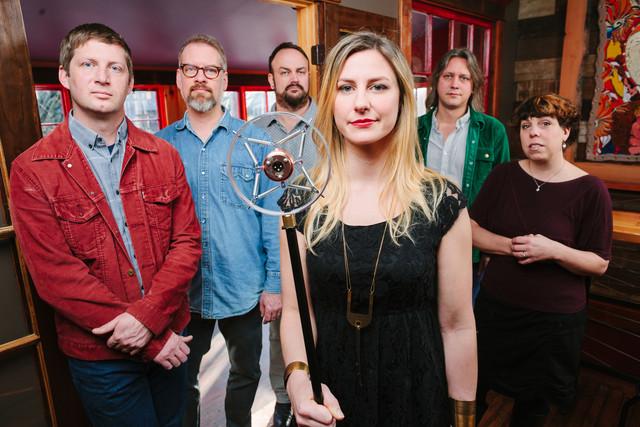
Black Prairie

Country
Americana/Alt Country
Newgrass
Folk Rock
 Viberate Rank: 282533
 Viberate Rank: 282533
 Monthly ListenersFollowers
 Subscribers
 Followers
 Followers
 FansTop Spotify Songs
| Track | 7-Day Streams | |
|---|---|---|
1 | 2.01K | |
2 | 347 | |
3 | 149 | |
4 | 107 | |
5 | 96 |
Top YouTube Videos| Video | 7-Day Views | |
|---|---|---|
1 | 13 | |
2 | 13 |
Monthly ListenersFeatured in Playlists| Playlist | Followers | |
|---|---|---|
1 | -•STARBUCKS•- coffee playlist 1131564493 | 26.49K |
2 |  Zach Bryan -- Ride & Play Takeover PlayStation®️ | 14.77K |
3 |  Phish Walk-In & Setbreak Music - PART I juliamordaunt | 14.28K |
4 | NPR Tiny Desk Concerts Edwin Choate | 13.96K |
5 |  Folk Instrumental dukannstgarnix | 9.78K |
Audience| City | Monthly Listeners | |
|---|---|---|
1 | | 99 |
2 | | 70 |
3 | | 56 |
4 | | 49 |
5 | | 48 |
See full performance history, audience data, playlist activity, rankings, comparisons, and more in Viberate music analytics. Start with a free trial, then continue with a paid plan.
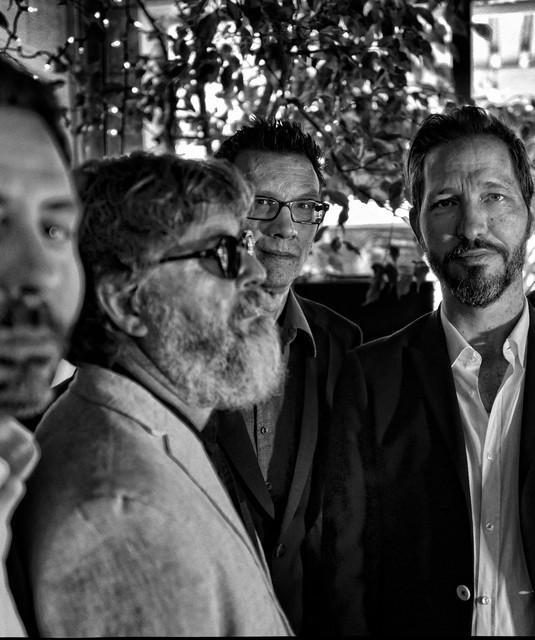
Black Prairie’s Spotify BioPortland's Black Prairie began in 2007 when Decemberists guitarist Chris Funk, having discovered the joys of the Dobro guitar, and Decemberists bassist Nate Query decided to start a mostly instrumental and acoustic string band as a side project. They enlisted another Decemberists member, Jenny Conlee, on accordion, and added two other veteran Portland musicians from popular local bands, guitarist and songwriter Jon Neufield, who played in Dolorean and Jackstraw, and singer and violinist Annalisa Tornfelt, who played in the Woolwines and Bearfoot. The resulting band blended together an impressive array of styles and textures, from tilted bluegrass, klezmer, and runaway Gypsy music to folk, blues, and a bit of jazz, resulting in a unique and fresh take on a kind of free-spirited alternative Americana. Signing to Sugar Hill Records, the band released an impressive debut, Feast of the Hunters' Moon, in 2010, following it up with A Tear in the Eye Is a Wound in the Heart in 2012. With Tornf…elt emerging as a more than capable lead vocalist, Black Prairie's third album, Fortune, took a hard left turn into garage folk-rock territory, and featured all band originals. ~ Steve Leggett, Rovi
Viberate is a music analytics platform built for A&Rs, artist managers, labels, booking agents, marketers, and artists.
It helps music professionals track artist growth, analyze audience data, monitor playlist activity, compare artists, follow song performance, and identify opportunities across the music market.
Public artist pages provide a free preview of selected artist data. Paid plans provide access to deeper analytics, historical data, charts, comparisons, playlist tools, exports, alerts, reports, and additional professional features.
Yes. Public Viberate artist pages provide selected artist analytics and music data for free.
Viberate also offers a 7-day free trial of the full platform. A credit card is required to start the trial. The trial includes access to the complete product so users can test deeper artist analytics, historical views, playlist insights, comparisons, charts, exports, alerts, and reporting features before choosing a paid plan.
Viberate provides artist analytics across streaming, playlists, social media, video, radio airplay, songs, and audience markets.
Users can analyze Spotify performance, Spotify and Apple Music playlists, YouTube activity, TikTok and Instagram growth, radio spins, song performance, audience locations, demographics, rankings, and overall artist momentum.
Artist profiles also connect to music charts, similar artists, and comparison tools, helping users benchmark performance and evaluate artists in context.
Viberate updates key artist and track data daily.
For followed artists and tracks, selected data is refreshed multiple times per day. This helps teams monitor playlist changes, streaming movement, audience growth, releases, and campaign performance with more current data.
Update frequency can vary depending on the metric and data source.
Yes. Viberate lets users compare up to five artists side by side across streaming, social media, audience, and engagement metrics.
Users can compare fanbase growth, audience demographics, locations, Spotify performance, social metrics, and other artist data over selected time periods.
Artist comparison can be used for A&R scouting, benchmarking, booking decisions, campaign planning, and evaluating artists with similar audiences or market positions.