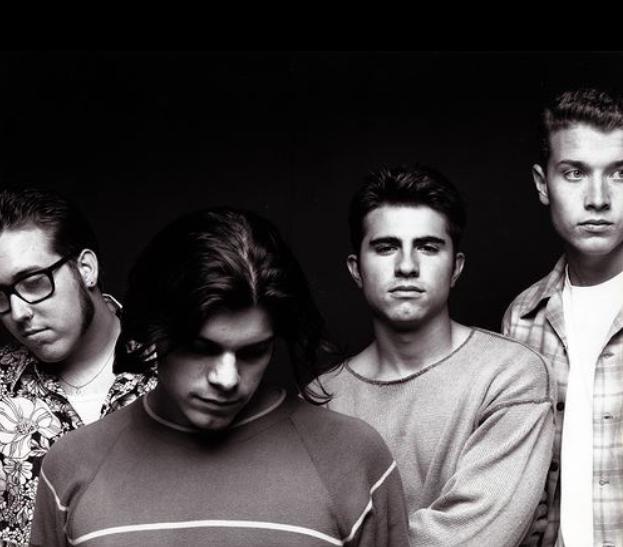
The Elms

Rock
Pop Rock
Alternative Rock
 Viberate Rank: 317335
 Viberate Rank: 317335
 Monthly ListenersFollowers
 Subscribers
 Followers
 Followers
 FansTop Spotify Songs
| Track | 7-Day Streams | |
|---|---|---|
1 | 476 | |
2 | 341 | |
3 | 234 | |
4 | 173 | |
5 | 129 |
Top YouTube VideosMonthly ListenersFeatured in Playlists| Playlist | Followers | |
|---|---|---|
1 |  Bertha's Breakfast Songs BriannaMadia | 23.87K |
2 | Dawsons Creek - All Songs from all Seasons Jürgen Koller | 21.55K |
3 |  Dawson's Creek Soundtrack Rick Santiago | 18.89K |
4 |  WOW Hits 1996-2019 Michael Hall | 14.23K |
5 |  Laguna Beach playlist Justin Langford | 7.12K |
Audience| City | Monthly Listeners | |
|---|---|---|
1 | | 66 |
2 | | 56 |
3 | | 51 |
4 | | 34 |
5 |  | 34 |
See full performance history, audience data, playlist activity, rankings, comparisons, and more in Viberate music analytics. Start with a free trial, then continue with a paid plan.
The Elms’ Spotify BioTHE ELMS were an American rock and roll band from Seymour, IN known for their breed of melodic, blues-based rock combined with the essence of music of the 1960's. Formed in 2000 by brothers Owen and Christopher Thomas, 2001 saw the release of their debut full-length album, THE BIG SURPRISE (EMI / Capitol), which yielded top 10 CHR singles "Hey Hey" and "Lifeboat." 2002 saw the release of the band's critically-acclaimed sophomore album, TRUTH, SOUL, ROCK AND ROLL, which embraced a more raw sound and prominently featured the work of lead guitarist Thomas Daugherty.
THE ELMS released their third album, THE CHESS HOTEL, on May 2, 2006 via Universal South Records. The band's final album, THE GREAT AMERICAN MIDRANGE, was released on September 15, 2009 via the band's own Trust, Inc. label. It peaked at #18 on the Billboard Heatseekers chart and was The Elms' highest-charting album of their career, with the single "Back To Indiana" becoming their first to impact Top 40 radio and gain attention… via it's use in NFL, MLB, and IndyCar television broadcasts.
In 2020, to coincide with the 20th anniversary of The Elms' formation, a 20-track b-sides and rarities collection entitled SIDETRACKED (RARITIES 2000-2010) was released, as was a 4-LP vinyl collection entitled THE ELMS: THE COMPLETE STUDIO ALBUMS.
Viberate is a music analytics platform built for A&Rs, artist managers, labels, booking agents, marketers, and artists.
It helps music professionals track artist growth, analyze audience data, monitor playlist activity, compare artists, follow song performance, and identify opportunities across the music market.
Public artist pages provide a free preview of selected artist data. Paid plans provide access to deeper analytics, historical data, charts, comparisons, playlist tools, exports, alerts, reports, and additional professional features.
Yes. Public Viberate artist pages provide selected artist analytics and music data for free.
Viberate also offers a 7-day free trial of the full platform. A credit card is required to start the trial. The trial includes access to the complete product so users can test deeper artist analytics, historical views, playlist insights, comparisons, charts, exports, alerts, and reporting features before choosing a paid plan.
Viberate provides artist analytics across streaming, playlists, social media, video, radio airplay, songs, and audience markets.
Users can analyze Spotify performance, Spotify and Apple Music playlists, YouTube activity, TikTok and Instagram growth, radio spins, song performance, audience locations, demographics, rankings, and overall artist momentum.
Artist profiles also connect to music charts, similar artists, and comparison tools, helping users benchmark performance and evaluate artists in context.
Viberate updates key artist and track data daily.
For followed artists and tracks, selected data is refreshed multiple times per day. This helps teams monitor playlist changes, streaming movement, audience growth, releases, and campaign performance with more current data.
Update frequency can vary depending on the metric and data source.
Yes. Viberate lets users compare up to five artists side by side across streaming, social media, audience, and engagement metrics.
Users can compare fanbase growth, audience demographics, locations, Spotify performance, social metrics, and other artist data over selected time periods.
Artist comparison can be used for A&R scouting, benchmarking, booking decisions, campaign planning, and evaluating artists with similar audiences or market positions.