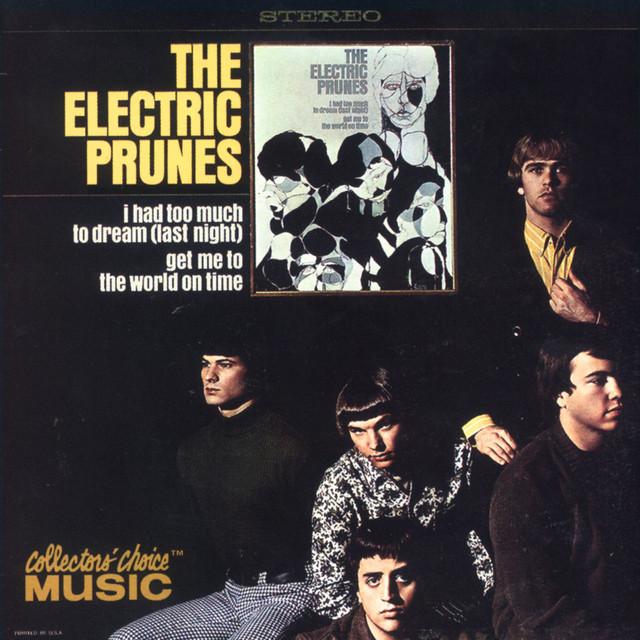
The Electric Prunes

Rock
Psychedelic Rock
Garage Rock
 Viberate Rank: 71923
 Viberate Rank: 71923
 Monthly ListenersFollowers
 Subscribers
 Followers
 Followers
 FansTop Spotify Songs
| Track | 7-Day Streams | |
|---|---|---|
1 | 48.13K | |
2 | 26.45K | |
3 | 3.20K | |
4 | 2.44K | |
5 | 2.27K |
Top YouTube VideosMonthly ListenersFeatured in Playlists| Playlist | Followers | |
|---|---|---|
1 |  60s Rock Anthems Spotify | 1.02M |
2 |  Vietnam War Music Extra Music | 754.39K |
3 |  Alternative 60s Spotify | 360.55K |
4 |  60s Rock Drive Spotify | 325.64K |
5 |  real good shit Tom Misch | 165.63K |
Audience| City | Monthly Listeners | |
|---|---|---|
1 | | 4.22K |
2 |  | 2.94K |
3 | | 2.51K |
4 | | 2.40K |
5 |  | 2.05K |
See full performance history, audience data, playlist activity, rankings, comparisons, and more in Viberate music analytics. Start with a free trial, then continue with a paid plan.
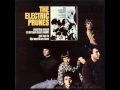
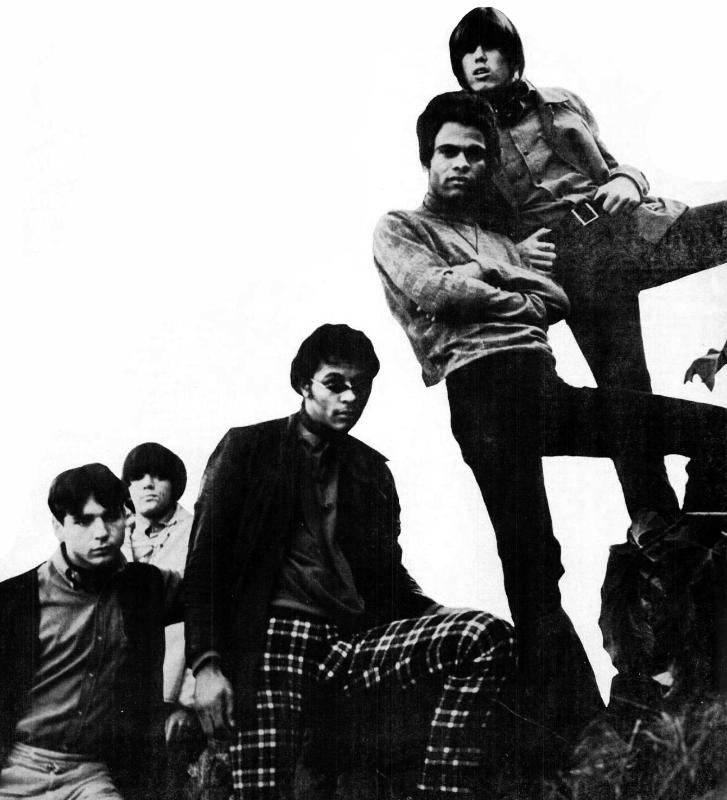
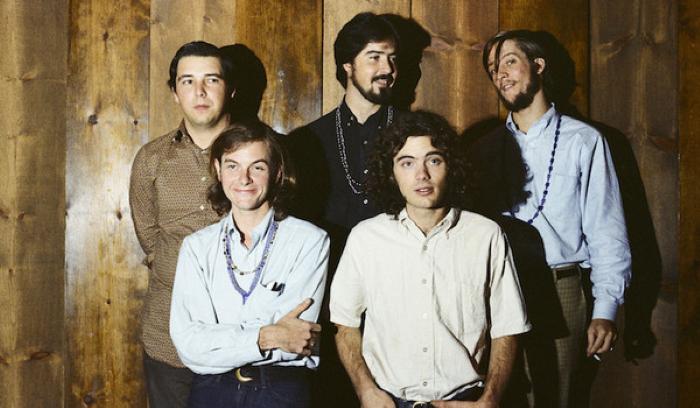
The Electric Prunes’ Spotify BioThe Electric Prunes had a career whose ups and downs were emblematic of the shifting tides of rock music in the 1960s, overlapping garage rock, psychedelia, and hard rock during their initial run from 1965 to 1970. Their earliest records were high-powered garage rock with a psychedelic bent fueled by their creative use of fuzz, reverb, and studio trickery. After hitting with the singles “I Had Too Much to Dream (Last Night)” and “Get Me to the World on Time” in 1967, the group released two albums in a similar vein before record company politics intervened and the group became a vehicle for producer David Axelrod to explore orchestrated psychedelia, most notably on the 1968 LP Mass in F Minor. No original members of the group remained by the time the band folded in 1970, but many of the founders were on board when a version of the Prunes re-formed in 1999. The reunited group released a handful of new albums that revisited their psych-tinged garage rock territory, while reissues and… compilation appearances kept their original catalog alive. 2021’s Then Came the Dawn: The Complete Recordings 1966-1969 is a comprehensive collection that documents the group's tumultuous first era.
James Lowe was a young man from Southern California who had been playing guitar in a bluegrass combo when he decided to form a rock & roll band in 1964. Though a friend, Lowe met three high school students with musical aspirations -- guitarist Ken Williams, bassist Mark Tulin, and drummer Steve Acuff. The four began rehearsing, and when Acuff decided surfing was more important to him than practicing, Mike Weakley took over behind the drum kit. Calling the group the Sanctions, Lowe had an unusual strategy for the group -- rather than play the usual bars, dances, and teen clubs where a fledgling rock band would be booked in those days, they set up a rehearsal studio and focused on honing their instrumental skills with an eye toward becoming a recording act. After cutting a pair of demo acetates primarily devoted to covers, Lowe started writing original songs and the group changed their name to Jim and the Lords. In late 1965, a woman stopped by while the band was practicing and was impressed with their sound. The woman, Barbara Harris, was friends with Dave Hassinger, a recording engineer who worked at RCA Studios and had been at the controls for several Rolling Stones sessions. A few weeks later, Harris asked Jim and the Lords to play a birthday party for a friend, and mentioned Hassinger was likely to be there. They took the gig, and Hassinger saw potential in the young group, arranging to work with them at a home studio owned by session musician and arranger Leon Russell. Aiming for an unusual sound, the group worked guitar effects into their arrangements that gave the music a distinct sonic signature, especially in their embrace of fuzztone and reverb. Hassinger took the tapes they made at Russell's studio, reworked them at a more sophisticated facility, and made a deal with Reprise Records to release their debut single, "Ain't It Hard" b/w "Little Olive." Wanting the band to have a more up-to-date image, Hassinger suggested they change their name to the Electric Prunes, inspired by a joke they'd heard: "What's purple and goes buzz buzz?"
"Ain't It Hard" didn't make an impression on the charts, but Reprise asked for a second single from the Electric Prunes. Before they could go back into the studio, drummer Mike Weakley left the band when they were asked to sign a contract with Hassinger's production company, and Preston Ritter came on board as his replacement. They also added another guitarist, James "Weasel" Spagnola, and started work on their second record as a quintet. Hassinger presented the Prunes with a song penned by two songwriters he knew, Annette Tucker and Nancie Mantz, that was well suited to their buzzy sound. Hassinger's instincts about the song were spot on, and "I Had Too Much to Dream (Last Night)," filled with otherworldly guitar oscillations and Lowe's impassioned lead vocals, was issued in November 1966 and quickly became a hit, topping out at number 11 on the singles charts in February 1967. A second number composed by Annette Tucker (this time in collaboration with Jill Jones), "Get Me to the World on Time," became the follow-up, and it was another chart success, rising to number 27. Behind the success of the singles, Reprise released an Electric Prunes album, 1967's I Had Too Much to Dream (Last Night), that was dominated by material written by Tucker and her associates, with only two tracks penned by members of the group.
In the wake of the success of their singles, the Electric Prunes began touring heavily, where they had the hard job of learning to re-create their studio sounds in front of an audience. They also landed an endorsement deal with Vox, a leading manufacturer of instruments, amplifiers, and effects pedals; they recorded a radio spot promoting the Vox Wah-Wah Pedal that would later become an oft-bootlegged collectors' item among garage rock fans. The Prunes' next two singles, "Dr. Do-Good" and "The Great Banana Hoax," made no significant impact on the charts, and only six months after their first album came out, a second LP was released, 1967's Underground. This album was a stronger and more cohesive effort than the debut, with more songs written by the group and fewer novelty numbers, but with no major hits to buoy it, it struggled to number 172 on the Album Charts before drifting away. By the time the LP appeared in stores, drummer Preston Ritter left the band, and Mike Weakley reclaimed his spot in the group, having acquired the nickname Quint in the meantime. The group also had to replace guitarist James "Weasel" Spagnola due to health problems, and Mike Gannon, who had played in a popular Northwest combo called the Nomads, took over on guitar. Before the year was out, the group got an assignment to record "Shadows," a song for the 1968 thriller The Name of the Game Is Kill, starring Jack Lord and Susan Strasberg.
As the Electric Prunes pondered their next move, their manager, Lenny Poncher, proposed an unusual project -- another of Poncher's clients, arranger, composer, and producer David Axelrod, wanted to record a pop/rock version of the Latin Mass, and he believed it would be a great project for the Prunes. The band agreed, and they went into the studio with Axelrod to record Mass in F Minor. However, Axelrod had set a tight schedule for completing the project, and when the recording began running over schedule, he brought in studio musicians and members of the Canadian band the Collectors to perform on the sessions, and the Prunes ended up playing a very small role on their own album. Mass in F Minor was issued in January 1968, and it fared better than Underground; thanks to FM radio play, it rose to number 135 on the album charts, and "Kyrie Eleison" was used in Dennis Hopper's groundbreaking 1969 film Easy Rider, as well as appearing on its popular soundtrack album. While the group's sole attempt to play the album live at a special concert in Santa Monica, California (accompanied by string and horn players) was described by Mark Tulin as "a disaster," the Prunes toured extensively in the U.K. and Europe, where they were well-received. The group also cut a more conventional single, "Everybody Knows You're Not in Love," that did not chart, and as tensions within the group began to grow, Mike Weakley once again dropped out. Joe Dooley, who had been Mike Gannon's bandmate in the Nomads, was recruited to take his place. A more surprising personnel change came when James Lowe, feeling he was losing control of the act and that their producers and managers were taking more than their share of their income, resigned from the band he founded. He went on to a career as an engineer and producer.
James Lowe's departure shook the band to the core, and Mike Gannon and Joe Dooley soon followed him out to form their own group, Babyfood. With touring commitments ahead of them, Mark Tulin and Ken Williams scrambled to put together a new edition of the Electric Prunes, which included rhythm guitarist Kenny Loggins, keyboard player Jeromy Stuart, and drummer John Raine. The tour didn't go well, and midway through, Raine quit; the band continued without a drummer, telling audiences that the rhythms in their songs were strong enough that a percussionist was unnecessary. The Electric Prunes fell apart upon returning home, and with James Lowe giving Lenny Poncher and David Axelrod permission to use the name, they set about putting together a "new, improved" Prunes. Axelrod was tipped off about an act from Denver, Colorado called Climax, and he invited singer and drummer Richard Whetstone, guitarist Mark Kincaid, and keyboard player John Herron to join the act. With Canadian Brett Wade on bass, this variation of the Electric Prunes were on the road by August 1968. Meanwhile, David Axelrod was at work on a follow-up to Mass in F Minor, and this time he took his inspiration from the Hebrew prayer the Nol Kidre. This project, titled Release of an Oath, would feature only Richard Whetstone from the then-current version of the Prunes, with the rest of the work being done by first-call session musicians including Carol Kaye and Earl Palmer. Issued in November 1968, Release of an Oath was widely regarded as superior to Mass in F Minor, but it was a commercial bust and put an end to the Prunes' art rock period, though passages from the LP would later be sampled by hip-hop artists such as the Beatnuts and Rakim.
After Release of an Oath faded out, the Electric Prunes were summoned to the studio to cut a new single, "Hey Mr. President," a number written by Mark Barkan and Ritchie Adams written with Richard Nixon's inauguration in mind. It was released in January 1969, and did not chart. At the same sessions, the band started work on an album, but before it was completed, John Herron abruptly left the group, and Ron Morgan, best known for his work with the West Coast Pop Art Experimental Band, was brought in to play keyboards. Credited to "the New, Improved Electric Prunes," Just Good Old Rock and Roll" came out in June 1969, and was a far cry from the work of the previous incarnations of the Prunes, sounding like a capable but ordinary rock band steeped in hard rock and boogie influences. The band kept up their touring in support, but Richard Whetstone and Brett Wade walked away to launch a band of their own, Stallion Thumrock. Michaels Kearns, Clay Groomer, Hughie Plumleigh, and Galen Pugh were hired to perform as the Electric Prunes, but by the end of 1970, the band finally ground to a halt.
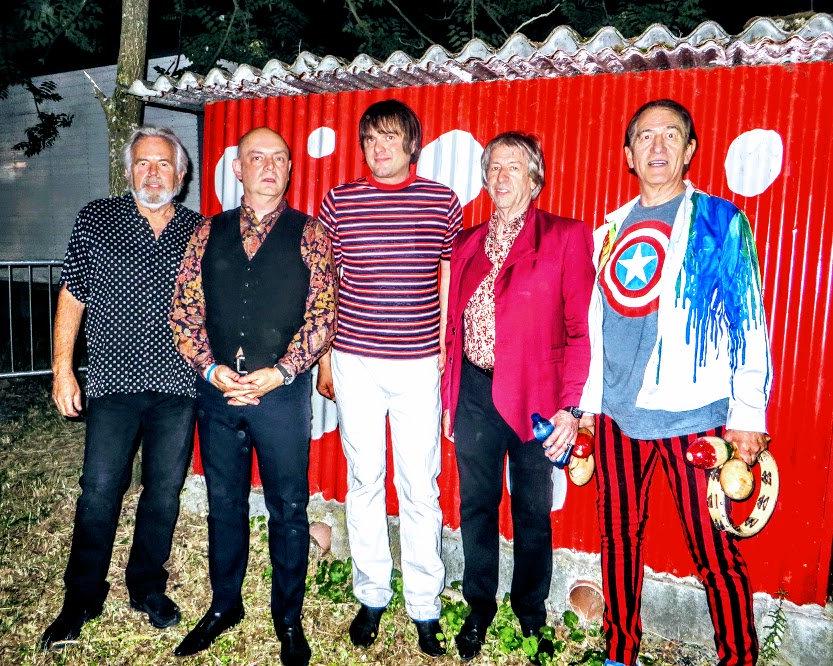
Time was kind to the Electric Prunes' reputation, and "I Had Too Much to Dream (Last Night)" was selected by Lenny Kaye as the opening cut on his wildly influential compilation Nuggets: Original Artyfacts from the First Psychedelic Era 1965-1968, often cited as one of the key documents that inspired the garage rock revival of the 1980s. The group's catalog was repackaged and reissued consistently in the '80s and '90s, and in 1997, a December 1967 concert in Sweden that was recorded for radio broadcast was restored for release under the title Stockholm '67. Not long afterward, Mark Tulin, James Lowe, Ken Williams, and Michael Weakley re-formed the Electric Prunes, and in 2001, they issued a new album, Artifact, which they described as the real third album the original band never got to make. It included a guest appearance from Moby Grape guitarist Peter Lewis. The Prunes set out on tour in 2002, and a concert video drawn from the shows, Rewired, was released in 2003. Michael Weakley would leave the reunited band, but they continued on with 2004's California, a song cycle about the psychedelic era in the Golden State. 2006's Feedback was a tough rock & roll set that recaptured the sound of their first two albums with accuracy and energy to spare. Mark Tulin died on February 26, 2011 at the age of 62 following a heart attack. After his passing, the Prunes once again retired, but in 2014 James Lowe brought out a final album, Was, assembled from songs he'd been writing with Tulin and featuring the latter's final recordings. On March 30, 2015, drummer Preston Ritter died at the age of 65. In 2021, the British reissue label Grapefruit Records released Then Came the Dawn: The Complete Recordings 1966-1969, which gathered their entire Reprise catalog, along with the Stockholm '67 live album and a previously unreleased demo by Jim and the Lords. ~ Mark Deming, Rovi
Viberate is a music analytics platform built for A&Rs, artist managers, labels, booking agents, marketers, and artists.
It helps music professionals track artist growth, analyze audience data, monitor playlist activity, compare artists, follow song performance, and identify opportunities across the music market.
Public artist pages provide a free preview of selected artist data. Paid plans provide access to deeper analytics, historical data, charts, comparisons, playlist tools, exports, alerts, reports, and additional professional features.
Yes. Public Viberate artist pages provide selected artist analytics and music data for free.
Viberate also offers a 7-day free trial of the full platform. A credit card is required to start the trial. The trial includes access to the complete product so users can test deeper artist analytics, historical views, playlist insights, comparisons, charts, exports, alerts, and reporting features before choosing a paid plan.
Viberate provides artist analytics across streaming, playlists, social media, video, radio airplay, songs, and audience markets.
Users can analyze Spotify performance, Spotify and Apple Music playlists, YouTube activity, TikTok and Instagram growth, radio spins, song performance, audience locations, demographics, rankings, and overall artist momentum.
Artist profiles also connect to music charts, similar artists, and comparison tools, helping users benchmark performance and evaluate artists in context.
Viberate updates key artist and track data daily.
For followed artists and tracks, selected data is refreshed multiple times per day. This helps teams monitor playlist changes, streaming movement, audience growth, releases, and campaign performance with more current data.
Update frequency can vary depending on the metric and data source.
Yes. Viberate lets users compare up to five artists side by side across streaming, social media, audience, and engagement metrics.
Users can compare fanbase growth, audience demographics, locations, Spotify performance, social metrics, and other artist data over selected time periods.
Artist comparison can be used for A&R scouting, benchmarking, booking decisions, campaign planning, and evaluating artists with similar audiences or market positions.