The Elders

European
Celtic
Folk Rock
Americana/Alt Country
 Viberate Rank: 188590
 Viberate Rank: 188590
 Monthly ListenersFollowers
 Subscribers
 Followers
 Followers
 FansTop Spotify Songs
| Track | 7-Day Streams | |
|---|---|---|
1 | 8.15K | |
2 | 5.93K | |
3 | 1.15K | |
4 | 1.08K | |
5 | 851 |
Top YouTube VideosMonthly ListenersFeatured in Playlists| Playlist | Followers | |
|---|---|---|
1 | Best Irish Pub Songs Neil ODonnell | 210.33K |
2 |  SEA SHANTIES THAT DROP MY PANTIES Luna Terra | 142.50K |
3 |  Celtic Music ☘️ The Gothard Sisters | 105.95K |
4 |  sea shanties for thots naomio | 75.68K |
5 | Famous Irish Folk Songs Ryan Krohne | 69.06K |
Audience| City | Monthly Listeners | |
|---|---|---|
1 | | 612 |
2 |  | 486 |
3 | | 470 |
4 | | 454 |
5 | | 433 |
See full performance history, audience data, playlist activity, rankings, comparisons, and more in Viberate music analytics. Start with a free trial, then continue with a paid plan.
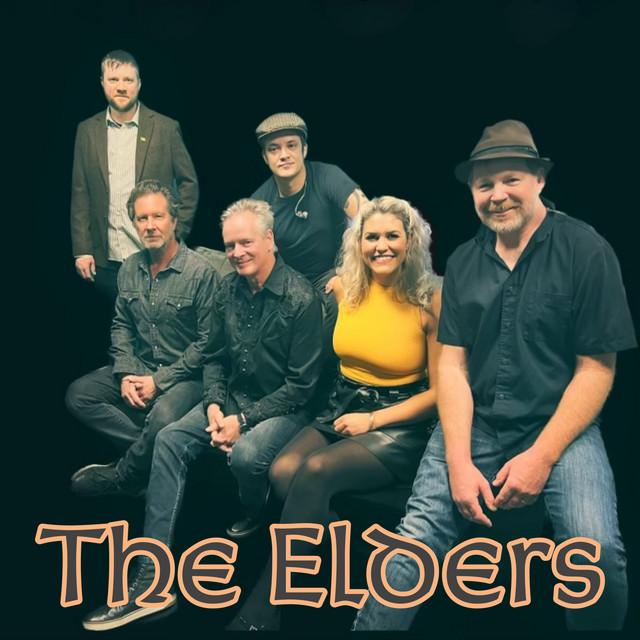
The Elders’ Spotify BioCeltic rock band the Elders were formed in Kansas City, MO, by singer/percussionist Ian Byrne, a native of County Wicklow, Ireland, along with Americans Norm Dahlor (bass, banjo, guitar, vocals), Brent Hoad (violin, mandolin, keyboards, vocals), Steve Phillips (guitar, mandolin, vocals), and Brett Gibson (accordion). Phillips was a former member of the Rainmakers, which had made several major-label albums, but all of the musicians were middle-aged veterans of numerous previous groups, hence the name the Elders. They released their self-titled debut album on their own Pub Tone label in 2000. Drummer/percussionist Tommy Sutherland joined in August 2002. American Wake followed on April 6, 2004, and Pass It on Down a year later. Live at the Gem was released simultaneously as a DVD and CD on October 11, 2005. Joe Miquelon (keyboards, saxophone) joined the band for the next album, Racing the Tide, released January 30, 2007. ~ William Ruhlmann, Rovi
Viberate is a music analytics platform built for A&Rs, artist managers, labels, booking agents, marketers, and artists.
It helps music professionals track artist growth, analyze audience data, monitor playlist activity, compare artists, follow song performance, and identify opportunities across the music market.
Public artist pages provide a free preview of selected artist data. Paid plans provide access to deeper analytics, historical data, charts, comparisons, playlist tools, exports, alerts, reports, and additional professional features.
Yes. Public Viberate artist pages provide selected artist analytics and music data for free.
Viberate also offers a 7-day free trial of the full platform. A credit card is required to start the trial. The trial includes access to the complete product so users can test deeper artist analytics, historical views, playlist insights, comparisons, charts, exports, alerts, and reporting features before choosing a paid plan.
Viberate provides artist analytics across streaming, playlists, social media, video, radio airplay, songs, and audience markets.
Users can analyze Spotify performance, Spotify and Apple Music playlists, YouTube activity, TikTok and Instagram growth, radio spins, song performance, audience locations, demographics, rankings, and overall artist momentum.
Artist profiles also connect to music charts, similar artists, and comparison tools, helping users benchmark performance and evaluate artists in context.
Viberate updates key artist and track data daily.
For followed artists and tracks, selected data is refreshed multiple times per day. This helps teams monitor playlist changes, streaming movement, audience growth, releases, and campaign performance with more current data.
Update frequency can vary depending on the metric and data source.
Yes. Viberate lets users compare up to five artists side by side across streaming, social media, audience, and engagement metrics.
Users can compare fanbase growth, audience demographics, locations, Spotify performance, social metrics, and other artist data over selected time periods.
Artist comparison can be used for A&R scouting, benchmarking, booking decisions, campaign planning, and evaluating artists with similar audiences or market positions.