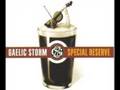
Gaelic Storm

European
Celtic
Folk Rock
 Viberate Rank: 52077
 Viberate Rank: 52077
 Monthly ListenersFollowers
 Subscribers
 Followers
 Followers
 FansTop Spotify Songs
| Track | 7-Day Streams | |
|---|---|---|
1 | 27.18K | |
2 | 24.34K | |
3 | 22.24K | |
4 | 14.55K | |
5 | 13.42K |
Top YouTube VideosMonthly ListenersFeatured in Playlists| Playlist | Followers | |
|---|---|---|
1 |  Sea Shanties Spotify | 604.37K |
2 |  Celtic Punk Spotify | 515.95K |
3 | Best Irish Pub Songs Neil ODonnell | 210.33K |
4 |  St. Patrick's Day Spotify | 137.46K |
5 |  Irish Drinking Songs yetkind | 116.93K |
Audience| City | Monthly Listeners | |
|---|---|---|
1 | | 3.86K |
2 |  | 3.84K |
3 | | 2.66K |
4 | | 2.31K |
5 | | 2.23K |
See full performance history, audience data, playlist activity, rankings, comparisons, and more in Viberate music analytics. Start with a free trial, then continue with a paid plan.
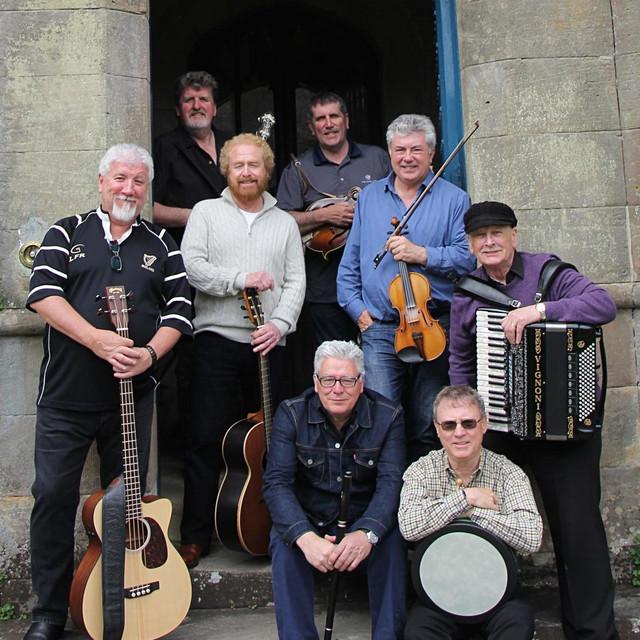
Gaelic Storm’s Spotify BioSince forming in 1997, acclaimed Celtic group Gaelic Storm have risen from local pub sessions in their hometown of Santa Monica, California to an internationally known touring and recording act. Led by founding members Patrick Murphy and Steve Twigger, the band's first major exposure arrived before they had even recorded their first album. Appearing as the "steerage band" entertaining passengers in James Cameron's massive 1997 blockbuster, Titanic, Gaelic Storm were widely embraced by the time they released their self-titled debut a year later. With their energetic mix of Irish and Scottish traditional fare, drinking songs, and playful original material, they proved to be a popular touring act and quickly followed up with a pair of albums in 1999's Herding Cats and 2001's Tree. By the time they'd released their fourth studio album, How Are We Getting Home?, in 2004, they'd become a chart success as well, reaching number three on Billboard's world music chart. Gaelic Storm's next two… releases, Bring Yer Wellies (2006) and What's the Rumpus? (2008), fared even better, reaching number two and number one, respectively. The group's lineup varied over the course of its first decade, but eventually settled on piper Peter Purvis, percussionist Ryan Lacey, and a number of different fiddlers complementing Murphy and Twigger's multi-instrumentalism and shared vocal duties. The group remained prolific in the next decade, touring constantly and releasing albums like 2010's Cabbage, 2012's Chicken Boxer, and 2013's The Boathouse. Following a 2014 best-of compilation called Full Irish, Gaelic Storm returned with Matching Sweaters a year later. They remained at the top of their game 20 years into their career, releasing another chart-topper in 2017's Go Climb a Tree. ~ Timothy Monger, Rovi
Viberate is a music analytics platform built for A&Rs, artist managers, labels, booking agents, marketers, and artists.
It helps music professionals track artist growth, analyze audience data, monitor playlist activity, compare artists, follow song performance, and identify opportunities across the music market.
Public artist pages provide a free preview of selected artist data. Paid plans provide access to deeper analytics, historical data, charts, comparisons, playlist tools, exports, alerts, reports, and additional professional features.
Yes. Public Viberate artist pages provide selected artist analytics and music data for free.
Viberate also offers a 7-day free trial of the full platform. A credit card is required to start the trial. The trial includes access to the complete product so users can test deeper artist analytics, historical views, playlist insights, comparisons, charts, exports, alerts, and reporting features before choosing a paid plan.
Viberate provides artist analytics across streaming, playlists, social media, video, radio airplay, songs, and audience markets.
Users can analyze Spotify performance, Spotify and Apple Music playlists, YouTube activity, TikTok and Instagram growth, radio spins, song performance, audience locations, demographics, rankings, and overall artist momentum.
Artist profiles also connect to music charts, similar artists, and comparison tools, helping users benchmark performance and evaluate artists in context.
Viberate updates key artist and track data daily.
For followed artists and tracks, selected data is refreshed multiple times per day. This helps teams monitor playlist changes, streaming movement, audience growth, releases, and campaign performance with more current data.
Update frequency can vary depending on the metric and data source.
Yes. Viberate lets users compare up to five artists side by side across streaming, social media, audience, and engagement metrics.
Users can compare fanbase growth, audience demographics, locations, Spotify performance, social metrics, and other artist data over selected time periods.
Artist comparison can be used for A&R scouting, benchmarking, booking decisions, campaign planning, and evaluating artists with similar audiences or market positions.