The Devil Wears Prada

Metal
Metalcore/Deathcore
 Viberate Rank: 9428
 Viberate Rank: 9428
 Monthly ListenersFollowers
 Subscribers
 Followers
 Followers
 FansTop Spotify SongsTop YouTube Videos
| Video | 7-Day Views | |
|---|---|---|
1 | 4.55K | |
2 | 4.27K | |
3 | 3.21K | |
4 | 3.09K | |
5 | 2.98K |
Monthly ListenersFeatured in Playlists| Playlist | Followers | |
|---|---|---|
1 |  The Core Spotify | 944.42K |
2 |  WORKOUT PLAYLIST 2026 Systemic | 771.72K |
3 |  Metalcore Classics Spotify | 582.28K |
4 |  Rocktronic Spotify | 360.49K |
5 | 2000s Rock Bangers Ben Lillie | 216.37K |
Audience| City | Monthly Listeners | |
|---|---|---|
1 | | 19.76K |
2 |  | 19.44K |
3 | | 18.46K |
4 | | 18.42K |
5 | | 16.38K |
See full performance history, audience data, playlist activity, rankings, comparisons, and more in Viberate music analytics. Start with a free trial, then continue with a paid plan.
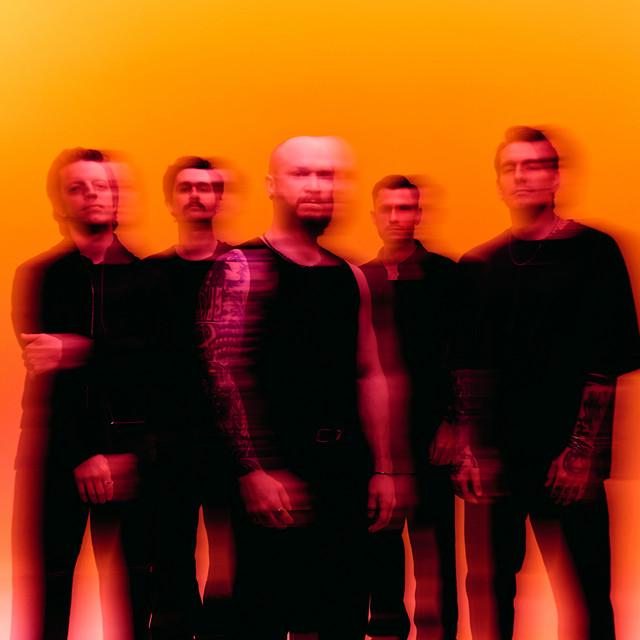
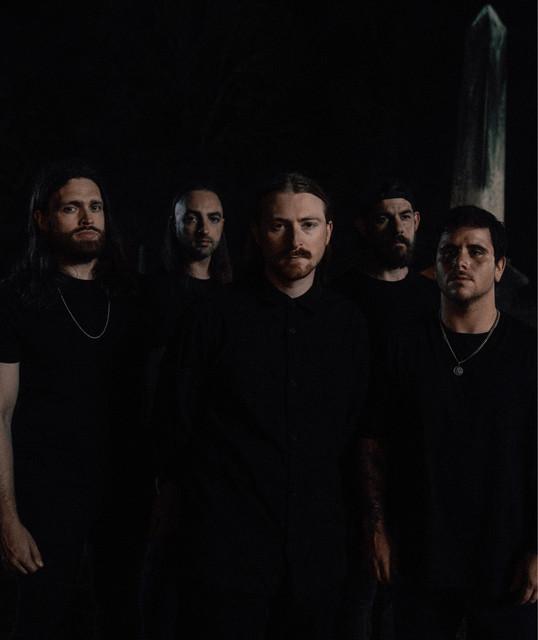
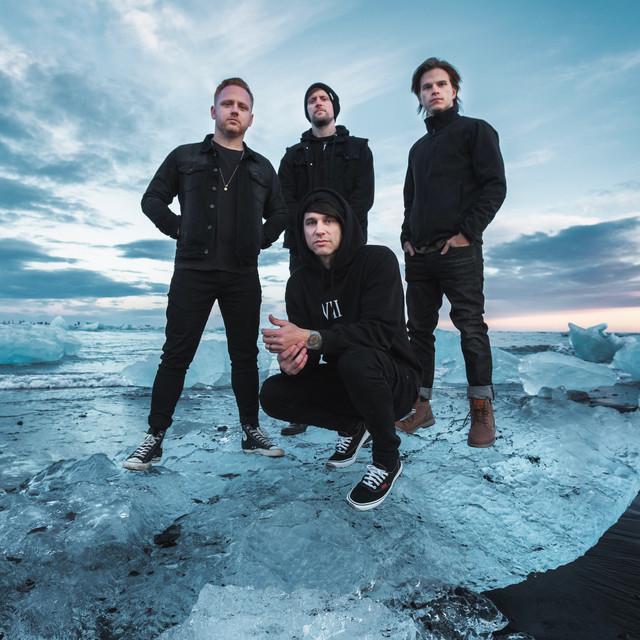
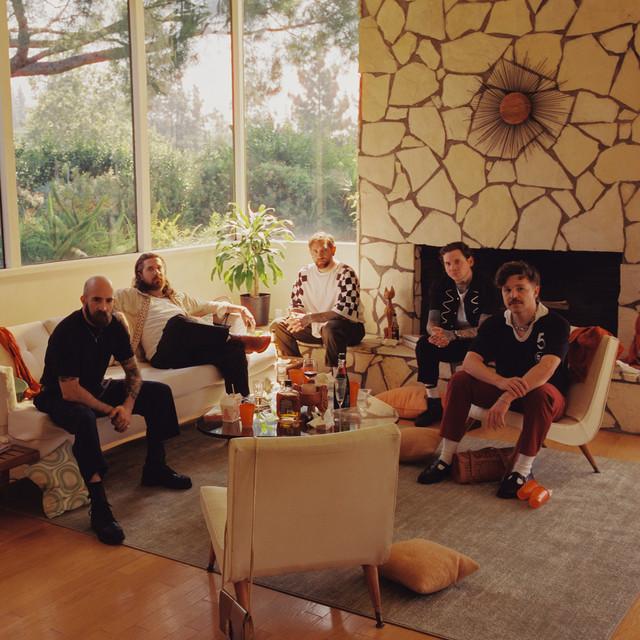
The Devil Wears Prada’s Spotify BioThe Devil Wears Prada have always explored life’s extremes in their music. They’ve never shied away from staring down darkness, dealing with depression, making sense of confusion, soothing anxiety, or grappling with faith, existence, and death. At the same time, they’ve mirrored life’s ups and downs by alternating between crushing heaviness and heart-wrenching melodies. It’s been that way since the beginning. The group elevated to another stratosphere with Color Decay [2022], selling out their biggest shows worldwide and receiving some of the highest praise of their career. Beyond acclaim from New Noise Magazine, KERRANG!, OUTBURN, Loudwire, and Hysteria, Metal Hammer went as far as to rave, “Color Decay might just be their finest hour.” After over two decades of making music, their union as bandmates—but more importantly as friends—is stronger than ever. All of this time and experience ultimately empowered the group—Mike Hranica [vocals], Jeremy DePoyster [guitar, vocals], Kyle… Sipress [guitar], Jonathan Gering [keys, synths, programming, percussion], and Giuseppe Capolupo [drums]—to make a statement on their ninth full-length offering, Flowers [Solid State]. Matching bold themes with equally bold songs, they process grief, weather struggle, and not only heal together, but creatively blossom like never before. Flowers is The Devil Wears Prada at their most honest, heartfelt, and here in the moment.
Viberate is a music analytics platform built for A&Rs, artist managers, labels, booking agents, marketers, and artists.
It helps music professionals track artist growth, analyze audience data, monitor playlist activity, compare artists, follow song performance, and identify opportunities across the music market.
Public artist pages provide a free preview of selected artist data. Paid plans provide access to deeper analytics, historical data, charts, comparisons, playlist tools, exports, alerts, reports, and additional professional features.
Yes. Public Viberate artist pages provide selected artist analytics and music data for free.
Viberate also offers a 7-day free trial of the full platform. A credit card is required to start the trial. The trial includes access to the complete product so users can test deeper artist analytics, historical views, playlist insights, comparisons, charts, exports, alerts, and reporting features before choosing a paid plan.
Viberate provides artist analytics across streaming, playlists, social media, video, radio airplay, songs, and audience markets.
Users can analyze Spotify performance, Spotify and Apple Music playlists, YouTube activity, TikTok and Instagram growth, radio spins, song performance, audience locations, demographics, rankings, and overall artist momentum.
Artist profiles also connect to music charts, similar artists, and comparison tools, helping users benchmark performance and evaluate artists in context.
Viberate updates key artist and track data daily.
For followed artists and tracks, selected data is refreshed multiple times per day. This helps teams monitor playlist changes, streaming movement, audience growth, releases, and campaign performance with more current data.
Update frequency can vary depending on the metric and data source.
Yes. Viberate lets users compare up to five artists side by side across streaming, social media, audience, and engagement metrics.
Users can compare fanbase growth, audience demographics, locations, Spotify performance, social metrics, and other artist data over selected time periods.
Artist comparison can be used for A&R scouting, benchmarking, booking decisions, campaign planning, and evaluating artists with similar audiences or market positions.