The Deviants

Rock
Garage Rock
Psychedelic Rock
 Viberate Rank: 288131
 Viberate Rank: 288131
 Monthly ListenersFollowers
 Subscribers
 Followers
 Followers
 FansTop Spotify Songs
| Track | 7-Day Streams | |
|---|---|---|
1 | 427 | |
2 | 304 | |
3 | 240 | |
4 | 192 | |
5 | 188 |
Top YouTube VideosMonthly ListenersFeatured in Playlists| Playlist | Followers | |
|---|---|---|
1 | Unofficial Reverb Radio Jeff Ferruzzo | 21.82K |
2 |  Obscure 60s/70s Psychedelic Rock Jason LeValley | 15.24K |
3 |  The NTS Breakfast Show w/ Flo - NTS NTS ᵇᵒᵗ (killed 2026/03) | 12.72K |
4 |  70s Proto-Metal, Heavy Psych & Obscure Hard Rock Jordan Edrei | 11.27K |
5 | 60s Psychedelic Trip andreas1965-71 | 8.21K |
Audience| City | Monthly Listeners | |
|---|---|---|
1 |  | 68 |
2 | | 48 |
3 | | 39 |
4 | | 38 |
5 | | 37 |
See full performance history, audience data, playlist activity, rankings, comparisons, and more in Viberate music analytics. Start with a free trial, then continue with a paid plan.
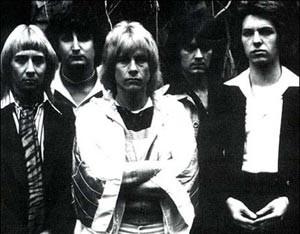
The Deviants’ Spotify BioIn the late '60s, the Deviants were something like the British equivalent to the Fugs, with touches of the Mothers of Invention and the British R&B-based rock of the Yardbirds and the Pretty Things. Their roots were not so much in the British Invasion as the psychedelic underground that began to take shape in London in 1966-1967. Not much more than amateurs when they began playing, they squeezed every last ounce of skill and imagination out of their limited instrumental and compositional resources on their debut, Ptooff!, which combined savage social commentary, overheated sexual lust, psychedelic jamming, blues riffs, and pretty acoustic ballads -- all in the space of seven songs. Their subsequent '60s albums had plenty of outrage, but not nearly as strong material as the debut. Lead singer Mick Farren recorded a solo album near the end of the decade, and went on to become a respected rock critic. He intermittently performed and recorded as a solo artist and with re-formed versions of… the Deviants. Farren died in July 2013 at the age of 69 after collapsing on-stage at a Deviants show in London. ~ Richie Unterberger, Rovi
Viberate is a music analytics platform built for A&Rs, artist managers, labels, booking agents, marketers, and artists.
It helps music professionals track artist growth, analyze audience data, monitor playlist activity, compare artists, follow song performance, and identify opportunities across the music market.
Public artist pages provide a free preview of selected artist data. Paid plans provide access to deeper analytics, historical data, charts, comparisons, playlist tools, exports, alerts, reports, and additional professional features.
Yes. Public Viberate artist pages provide selected artist analytics and music data for free.
Viberate also offers a 7-day free trial of the full platform. A credit card is required to start the trial. The trial includes access to the complete product so users can test deeper artist analytics, historical views, playlist insights, comparisons, charts, exports, alerts, and reporting features before choosing a paid plan.
Viberate provides artist analytics across streaming, playlists, social media, video, radio airplay, songs, and audience markets.
Users can analyze Spotify performance, Spotify and Apple Music playlists, YouTube activity, TikTok and Instagram growth, radio spins, song performance, audience locations, demographics, rankings, and overall artist momentum.
Artist profiles also connect to music charts, similar artists, and comparison tools, helping users benchmark performance and evaluate artists in context.
Viberate updates key artist and track data daily.
For followed artists and tracks, selected data is refreshed multiple times per day. This helps teams monitor playlist changes, streaming movement, audience growth, releases, and campaign performance with more current data.
Update frequency can vary depending on the metric and data source.
Yes. Viberate lets users compare up to five artists side by side across streaming, social media, audience, and engagement metrics.
Users can compare fanbase growth, audience demographics, locations, Spotify performance, social metrics, and other artist data over selected time periods.
Artist comparison can be used for A&R scouting, benchmarking, booking decisions, campaign planning, and evaluating artists with similar audiences or market positions.