The Deele

R&B
Funk
Contemporary R&B
Soul
 Viberate Rank: 36353
 Viberate Rank: 36353
 Monthly ListenersFollowers
 Subscribers
 Followers
 Followers
 FansTop Spotify Songs
| Track | 7-Day Streams | |
|---|---|---|
1 | 162.79K | |
2 | 19.96K | |
3 | 14.04K | |
4 | 5.10K | |
5 | 3.92K |
Top YouTube Videos| Video | 7-Day Views | |
|---|---|---|
1 | 109.21K | |
2 | 3.28K | |
3 | 2.56K | |
4 | 2.41K | |
5 | 1.70K |
Monthly ListenersFeatured in Playlists| Playlist | Followers | |
|---|---|---|
1 | **80s R&B Hits** Chrismix | 119.14K |
2 | 90's R&B Greatest Love Songs @missrhonda | 94.93K |
3 | The Best of R&B: 80's, 90's, & 00's Mike Salinas | 84.63K |
4 |  Dear Anthony: Questlove's Defense Of Yacht Rock, Smooth Soul & Dentist Office Pop Ahmir Khalib Thompson | 78.25K |
5 | Slow Jams/R&B ❤️ _elissseee | 74.29K |
Audience| City | Monthly Listeners | |
|---|---|---|
1 | | 9.09K |
2 |  | 6.40K |
3 | | 5.77K |
4 | | 5.70K |
5 | | 5.70K |
See full performance history, audience data, playlist activity, rankings, comparisons, and more in Viberate music analytics. Start with a free trial, then continue with a paid plan.
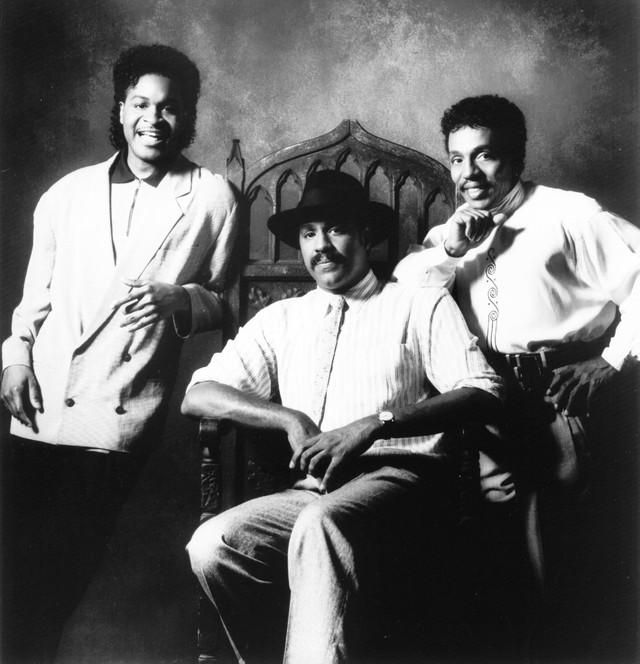
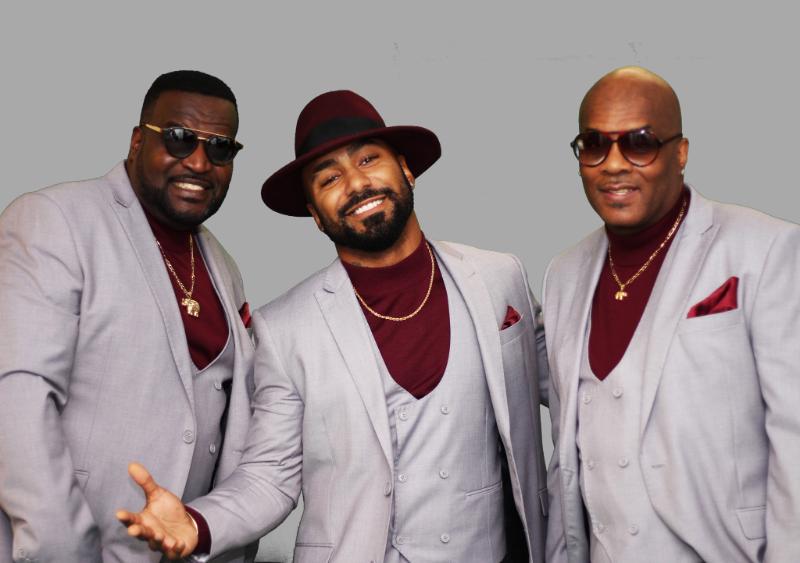
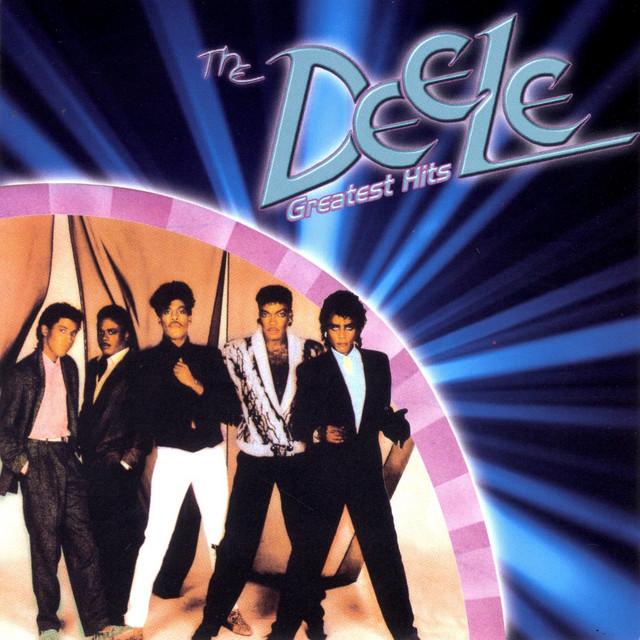
The Deele’s Spotify BioThe Deele are best-known as the group that brought Babyface (b. Kenny Edmonds) and L.A. Reid (b. Mark Rooney) to prominence. Formed in Cincinnati, Ohio, Bobby G. Summers and L.A. Reid formed the Deele in the early '80s with lead vocalist Carlos "Satin" Greene, Darnell "Dee" Bristol, Stanley Burke, and Kevin Roberson. Prior to joining the Deele, Babyface had been a member of Manchild, who had a minor R&B hit with "Especially for You" in 1977.
The Deele, signed to Dick Griffey's Solar label, had their first hit in late 1983, when "Body Talk" entered Billboard's Black Singles chart. Though the song reached only number 77 on the Hot 100, it reached number three on Black Singles, which helped the group's debut album Street Beat crack the upper half of the Billboard 200. Two subsequent singles from the album, "Just My Luck" and "Surrender," dented Black Singles, but the group's second album, 1985's Material Thangz, was a disappointment, as it launched only one hit R&B single with the number… 14 title track.
Between the release of Material Thangz and 1987's Eyes of a Stranger, Babyface and L.A. Reid began making a name for themselves as producers and songwriters, with their work for Pebbles ("Girlfriend") and the Whispers ("Rock Steady"), among others, becoming hits. In the wake of Babyface and Reid's success, Eyes of a Stranger became a hit, went gold, and launched the Top Ten pop and R&B hit, "Two Occasions," as well as the number ten R&B hit "Shoot 'Em Up Movies." Following the release of Eyes of a Stranger, the group went on hiatus, and Babyface and L.A. Reid continued their successful production and songwriting work. In 1993, the group reunited -- minus Babyface, Reid, and Roberson -- and released Invitation to Love, which failed to chart. Over a decade later, the group resumed once more and featured original members Greene, Bristol, Roberson, and Burke. The singles "The Only 1" and "All I Want for Christmas" were released in 2007, and performances continued well into the 2010s. ~ Stephen Thomas Erlewine & Al Campbell, Rovi
Viberate is a music analytics platform built for A&Rs, artist managers, labels, booking agents, marketers, and artists.
It helps music professionals track artist growth, analyze audience data, monitor playlist activity, compare artists, follow song performance, and identify opportunities across the music market.
Public artist pages provide a free preview of selected artist data. Paid plans provide access to deeper analytics, historical data, charts, comparisons, playlist tools, exports, alerts, reports, and additional professional features.
Yes. Public Viberate artist pages provide selected artist analytics and music data for free.
Viberate also offers a 7-day free trial of the full platform. A credit card is required to start the trial. The trial includes access to the complete product so users can test deeper artist analytics, historical views, playlist insights, comparisons, charts, exports, alerts, and reporting features before choosing a paid plan.
Viberate provides artist analytics across streaming, playlists, social media, video, radio airplay, songs, and audience markets.
Users can analyze Spotify performance, Spotify and Apple Music playlists, YouTube activity, TikTok and Instagram growth, radio spins, song performance, audience locations, demographics, rankings, and overall artist momentum.
Artist profiles also connect to music charts, similar artists, and comparison tools, helping users benchmark performance and evaluate artists in context.
Viberate updates key artist and track data daily.
For followed artists and tracks, selected data is refreshed multiple times per day. This helps teams monitor playlist changes, streaming movement, audience growth, releases, and campaign performance with more current data.
Update frequency can vary depending on the metric and data source.
Yes. Viberate lets users compare up to five artists side by side across streaming, social media, audience, and engagement metrics.
Users can compare fanbase growth, audience demographics, locations, Spotify performance, social metrics, and other artist data over selected time periods.
Artist comparison can be used for A&R scouting, benchmarking, booking decisions, campaign planning, and evaluating artists with similar audiences or market positions.