Force M.D.'S

Hip Hop
Contemporary Hip Hop
Contemporary R&B
Soul
 Viberate Rank: 34401
 Viberate Rank: 34401
 Monthly ListenersFollowers
 Subscribers
 Followers
 Followers
 FansTop Spotify Songs
| Track | 7-Day Streams | |
|---|---|---|
1 | 232.22K | |
2 | 20.83K | |
3 | 8.53K | |
4 | 4.03K | |
5 | 2.94K |
Top YouTube VideosMonthly ListenersFeatured in Playlists| Playlist | Followers | |
|---|---|---|
1 |  Love Deluxe Spotify | 2.53M |
2 | **80s R&B Hits** Chrismix | 119.14K |
3 | R&B/THROWBACK Paula | 114.29K |
4 | 70's 80's 90’s CLASSIC LOVE SONGS MikeUmahag | 92.50K |
5 | Slow Jams/R&B ❤️ _elissseee | 74.29K |
Audience| City | Monthly Listeners | |
|---|---|---|
1 |  | 30.02K |
2 | | 12.79K |
3 | | 10.64K |
4 | | 8.95K |
5 |  | 8.56K |
See full performance history, audience data, playlist activity, rankings, comparisons, and more in Viberate music analytics. Start with a free trial, then continue with a paid plan.
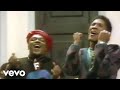
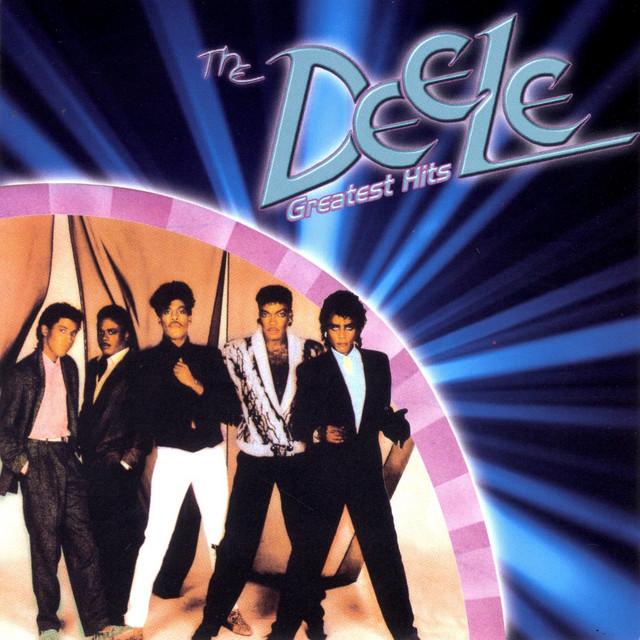
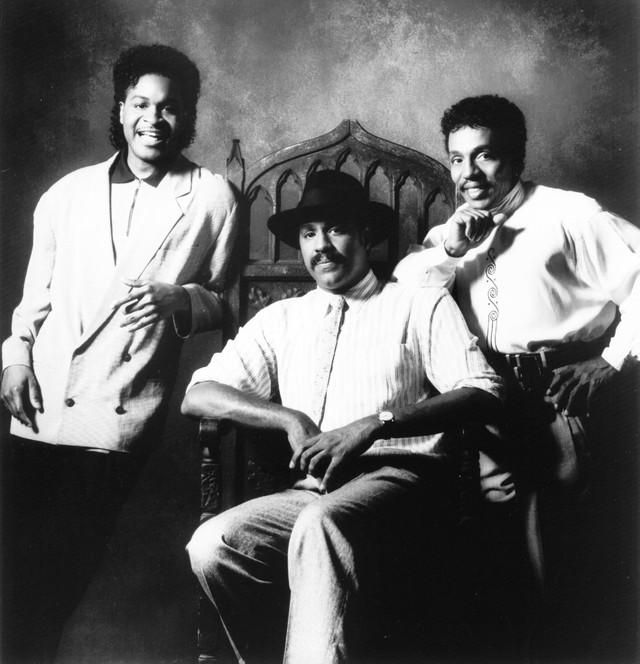
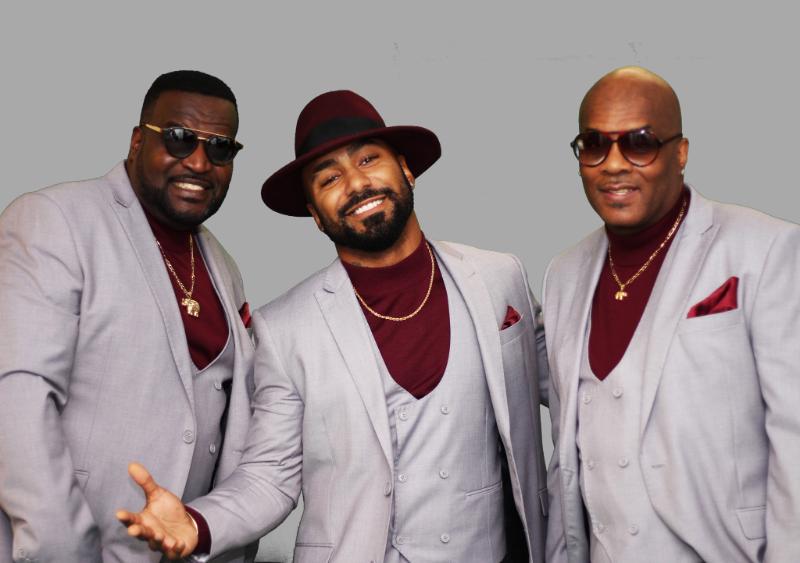
Force M.D.'S’ Spotify BioAlthough not as well-known as other New York hip-hop acts of the early '80s, Staten Island's Force M.D.'s were a vital crew in the early history of street hip-hop and one of the first vocal groups to fuse doo wop-influenced harmonies with hip-hop beats. Originally a street troupe known as the LD's, the group sang and danced on Greenwich Village street corners and the Staten Island ferry. Its members included brothers Stevie D and Antoine "TCD" Lundy, their uncle Jesse Lee Daniels, and friends Trisco Pearson and Charles "Mercury" Nelson. The group hooked up with DJ Dr. Rock and, billing themselves as Dr. Rock & the MC's, began playing in local hip-hop venues. However, by the time the group signed to Tommy Boy in 1984 as the Force M.D.'s (M.D. standing for "musical diversity"), they evolved into a more straightforward R&B vocal group, distinguished mostly by their street attitude. The M.D.'s had a string of R&B hits through the '80s, but their only pop hit was the Top Ten Jimmy Jam/Terry… Lewis-penned ballad "Tender Love," which was featured in the movie Krush Groove. 1987 produced the group's first R&B number one, "Love Is a House," but their popular appeal began to ebb the following year. Mercury and Trisco left in 1990 and were replaced by Rodney "Khalil" Lundy and Shawn Waters. The group released the album Get Ready in 1994 as several members worked with other artists as producers. Though Nelson, Lundy, and DJ Dr. Rock each died an early death (Nelson of a heart attack, Lundy of Lou Gehrig's disease), the group returned in 1998, signed to a contract thanks to fellow Staten Island natives Wu-Tang Clan. 2000's The Reunion, however, failed to chart, and while the group continued to play occasional live shows, they were once again touched by tragedy in 2016 when Trisco Pearson died following a battle with cancer. In 2017, a new lineup of the Force M.D.'s -- Jesse Daniels, Stevie D. Lundy, and Rodney "Khalil" Lundy -- appeared with a new album, Our Favorite Joints. Jesse Lee Daniels died on January 4, 2022 at the age of 58. ~ Steve Huey, Rovi
Viberate is a music analytics platform built for A&Rs, artist managers, labels, booking agents, marketers, and artists.
It helps music professionals track artist growth, analyze audience data, monitor playlist activity, compare artists, follow song performance, and identify opportunities across the music market.
Public artist pages provide a free preview of selected artist data. Paid plans provide access to deeper analytics, historical data, charts, comparisons, playlist tools, exports, alerts, reports, and additional professional features.
Yes. Public Viberate artist pages provide selected artist analytics and music data for free.
Viberate also offers a 7-day free trial of the full platform. A credit card is required to start the trial. The trial includes access to the complete product so users can test deeper artist analytics, historical views, playlist insights, comparisons, charts, exports, alerts, and reporting features before choosing a paid plan.
Viberate provides artist analytics across streaming, playlists, social media, video, radio airplay, songs, and audience markets.
Users can analyze Spotify performance, Spotify and Apple Music playlists, YouTube activity, TikTok and Instagram growth, radio spins, song performance, audience locations, demographics, rankings, and overall artist momentum.
Artist profiles also connect to music charts, similar artists, and comparison tools, helping users benchmark performance and evaluate artists in context.
Viberate updates key artist and track data daily.
For followed artists and tracks, selected data is refreshed multiple times per day. This helps teams monitor playlist changes, streaming movement, audience growth, releases, and campaign performance with more current data.
Update frequency can vary depending on the metric and data source.
Yes. Viberate lets users compare up to five artists side by side across streaming, social media, audience, and engagement metrics.
Users can compare fanbase growth, audience demographics, locations, Spotify performance, social metrics, and other artist data over selected time periods.
Artist comparison can be used for A&R scouting, benchmarking, booking decisions, campaign planning, and evaluating artists with similar audiences or market positions.