The Dean Ween Group

Rock
Alternative Rock
Hard Rock
Psychedelic Rock
 Viberate Rank: 208661
 Viberate Rank: 208661
 Monthly ListenersFollowers
 Subscribers
 Followers
 Followers
 FansTop Spotify Songs
| Track | 7-Day Streams | |
|---|---|---|
1 | 2.38K | |
2 | 1.53K | |
3 | 1.02K | |
4 | 869 | |
5 | 737 |
Top YouTube VideosMonthly ListenersFeatured in Playlists| Playlist | Followers | |
|---|---|---|
1 | Jam Band Radio ryebow44 | 9.98K |
2 |  songs to eat glass to Machine Girl | 8.89K |
3 |  Deep Cuts, Forgotten Gems & Classic Rock Gold Rick Kirby - music nerd | 5.63K |
4 |  James Acaster 2016 Album Recommendations idkalaska | 5.63K |
5 |  Best Of Ween Timotheus De Beir | 5.45K |
Audience| City | Monthly Listeners | |
|---|---|---|
1 | | 414 |
2 | | 363 |
3 | | 351 |
4 | | 305 |
5 | | 270 |
See full performance history, audience data, playlist activity, rankings, comparisons, and more in Viberate music analytics. Start with a free trial, then continue with a paid plan.
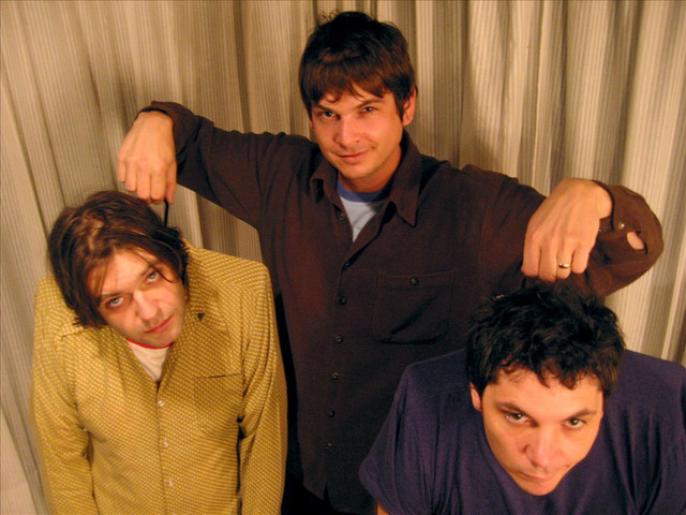
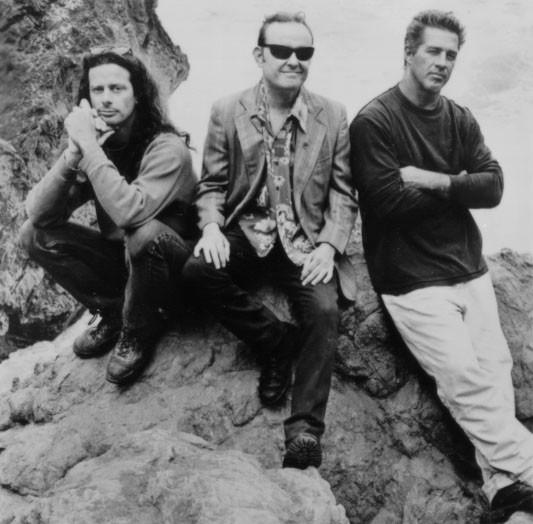
The Dean Ween Group’s Spotify BioThe Dean Ween Group is the first project Mickey Melchiondo launched during the four years Ween was inactive in the 2010s. Melchiondo adopted the name Dean Ween when he was a teenager in New Hope, Pennsylvania. He and friend Aaron Freeman -- who called himself Gene Ween -- formed Ween when they were just 14 years old, never imagining that they'd be saddled with those monikers for the rest of their lives. Ween, a post-punk prank infatuated with Prince, turned into a cult phenomenon in the '90s, gathering momentum as the band jumped from independents to the majors, earning a reputation as a killer live band along the way. Melchiondo started to moonlight in the '90s, mainly with the hardcore band Moistboyz but also appearing on records by Yoko Ono, Ben Vaughn, Pigface and Queens of the Stone Age. Ween kept going until 2012, when Freeman left the band. After a few years, Melchiondo regrouped with the Dean Ween Band, who released their first album in the fall of 2016, several months after he… reunited with Freeman for several concerts.
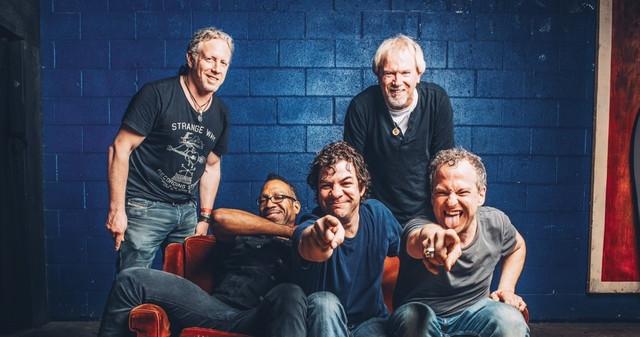
By that point, Melchiondo launched a side project called Mickey's Guide Service, captaining a fishing boat off the Jersey Shore, a project that kept him busy as he sorted out his future after Ween. He played on Low Cut Connie's 2015 album Hi Honey, then started the Dean Ween Group, recruiting Ween road band members Claude Coleman, Glenn McClelland, and Dave Dreiwitz to play residencies in New Hope, then they cut the record that became The Deaner Album, which was released in October of 2016, several months after Melchiondo reunited with Freeman for live dates by Ween. ~ Stephen Thomas Erlewine, Rovi
Viberate is a music analytics platform built for A&Rs, artist managers, labels, booking agents, marketers, and artists.
It helps music professionals track artist growth, analyze audience data, monitor playlist activity, compare artists, follow song performance, and identify opportunities across the music market.
Public artist pages provide a free preview of selected artist data. Paid plans provide access to deeper analytics, historical data, charts, comparisons, playlist tools, exports, alerts, reports, and additional professional features.
Yes. Public Viberate artist pages provide selected artist analytics and music data for free.
Viberate also offers a 7-day free trial of the full platform. A credit card is required to start the trial. The trial includes access to the complete product so users can test deeper artist analytics, historical views, playlist insights, comparisons, charts, exports, alerts, and reporting features before choosing a paid plan.
Viberate provides artist analytics across streaming, playlists, social media, video, radio airplay, songs, and audience markets.
Users can analyze Spotify performance, Spotify and Apple Music playlists, YouTube activity, TikTok and Instagram growth, radio spins, song performance, audience locations, demographics, rankings, and overall artist momentum.
Artist profiles also connect to music charts, similar artists, and comparison tools, helping users benchmark performance and evaluate artists in context.
Viberate updates key artist and track data daily.
For followed artists and tracks, selected data is refreshed multiple times per day. This helps teams monitor playlist changes, streaming movement, audience growth, releases, and campaign performance with more current data.
Update frequency can vary depending on the metric and data source.
Yes. Viberate lets users compare up to five artists side by side across streaming, social media, audience, and engagement metrics.
Users can compare fanbase growth, audience demographics, locations, Spotify performance, social metrics, and other artist data over selected time periods.
Artist comparison can be used for A&R scouting, benchmarking, booking decisions, campaign planning, and evaluating artists with similar audiences or market positions.