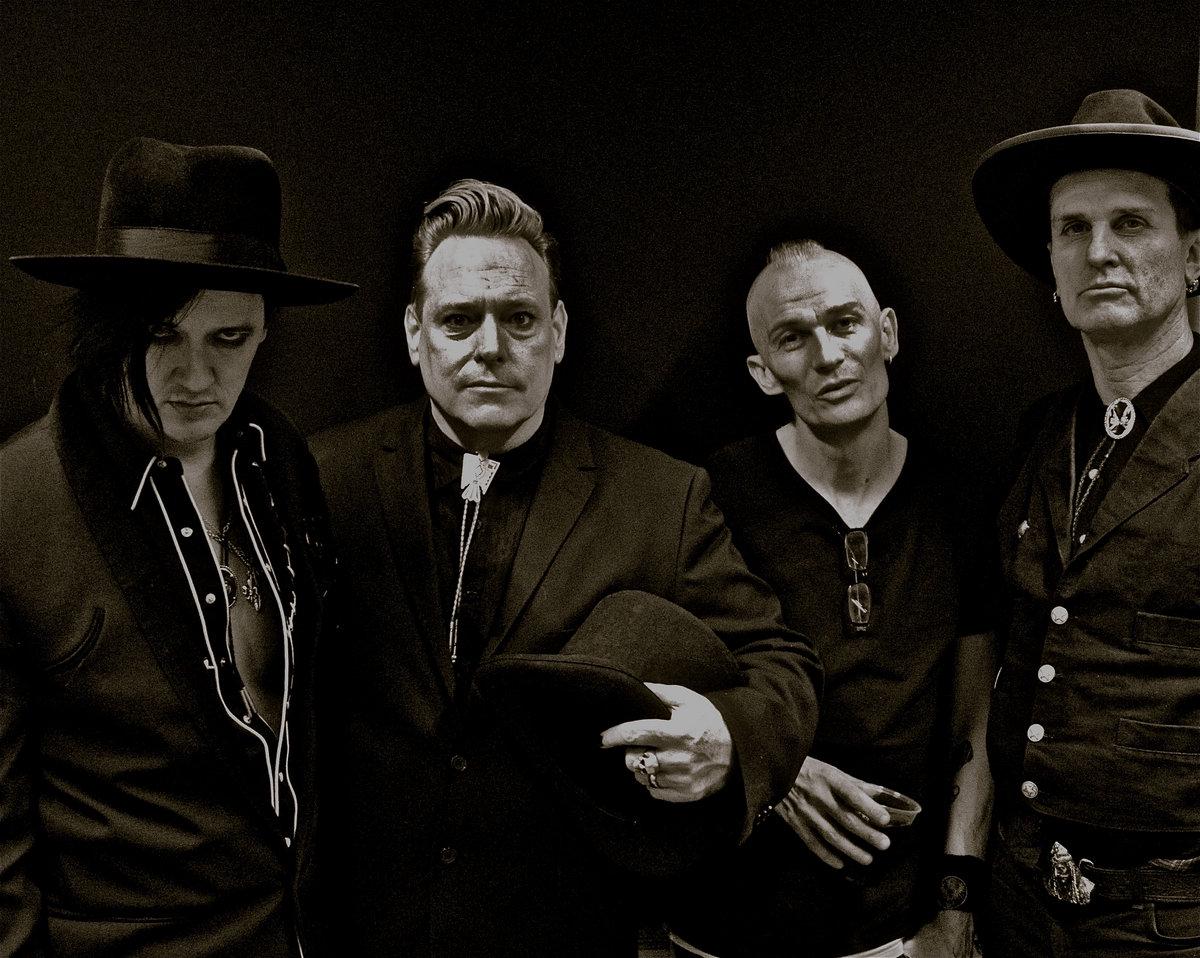
The Coffinshakers

Country
Contemporary Country
Psychobilly
 Viberate Rank: 143878
 Viberate Rank: 143878
 Monthly ListenersFollowers
 Subscribers
 Followers
 Followers
 FansTop Spotify Songs
| Track | 7-Day Streams | |
|---|---|---|
1 | 4.11K | |
2 | 2.93K | |
3 | 2.77K | |
4 | 2.54K | |
5 | 2.42K |
Top YouTube VideosMonthly ListenersFeatured in Playlists| Playlist | Followers | |
|---|---|---|
1 |  The Sound of Everything The Sounds of Spotify | 53.83K |
2 |  Dark Country / Southern Gothic rodrigovanhoz | 33.04K |
3 |  the witches are angry mars | 21.48K |
4 |  SATANIC MUSIC IMBOLC 🧚♂️ | 19.47K |
5 | 5.1+ Surround Sound Audio Test Sven Kruse | 12.19K |
Audience| City | Monthly Listeners | |
|---|---|---|
1 |  | 1.04K |
2 |  | 958 |
3 | | 597 |
4 | | 595 |
5 | | 543 |
See full performance history, audience data, playlist activity, rankings, comparisons, and more in Viberate music analytics. Start with a free trial, then continue with a paid plan.
The Coffinshakers’ Spotify BioWhat if Johnny Cash had been more interested in vampires, werewolves, and the German expressionistic cinema than in walking the line? Meet the Coffinshakers.
Formed in 1995 in Karlstadt, Sweden, by Rob Coffinshaker (Robert Fjällsby), the Coffinshakers eked out an existence from small printings of 7" red vinyl singles and occasional gigs to a mostly uninterested audience. Their first single, "Dracula Has Risen from the Grave," inspired by the classic Hammer horror film, appeared in 1996. Consisting of Rob on vocals and guitar, Joe Undertaker on bass, Fang on electric guitar, and Andy Bones on drums (after the 2000 departure of Blackfist Bill "to study voodoo practices"), the band survived the audience indifference by the boldness of its idea and the near flawless execution. The band's direction of merging traditional country sounds of Johnny Cash and Waylon Jennings to subject matter closer to Roky Erickson & the Aliens may have sounded loony, but Rob Coffinshaker's voice echoed the same… gloomy low registers as his influences. The traditionally performed songs were catchy and entertaining, the Ennio Morricone and Ventures influences cleverly integrated, and the lyrics were...full-bodied.
Their first full-length record appeared in 1999. We Are the Undead continued in the same vein as the early singles, and they had a small but rabid following -- mostly in the neighboring Finland. After their first Finnish gig in 2001 they followed up with a mini-LP, Dark Wings Over Finland. Small tours and slightly escalating interest didn't quite convince the band to keep up, and they spent more time in their (not-quite eternal) resting places than they did recording new material. Lured out with an offer they couldn't refuse -- unlimited recording time in a studio and a good contract -- a Finnish promoter got the band back on the road, and they recorded their self-titled second album The Coffinshakers in early 2007. With this first release by a budding Finnish record label, these graveyard country-rockers creeped up to the Finnish Top 40 to mostly excellent reviews and a very receptive audience. ~ JT Lindroos, Rovi
Viberate is a music analytics platform built for A&Rs, artist managers, labels, booking agents, marketers, and artists.
It helps music professionals track artist growth, analyze audience data, monitor playlist activity, compare artists, follow song performance, and identify opportunities across the music market.
Public artist pages provide a free preview of selected artist data. Paid plans provide access to deeper analytics, historical data, charts, comparisons, playlist tools, exports, alerts, reports, and additional professional features.
Yes. Public Viberate artist pages provide selected artist analytics and music data for free.
Viberate also offers a 7-day free trial of the full platform. A credit card is required to start the trial. The trial includes access to the complete product so users can test deeper artist analytics, historical views, playlist insights, comparisons, charts, exports, alerts, and reporting features before choosing a paid plan.
Viberate provides artist analytics across streaming, playlists, social media, video, radio airplay, songs, and audience markets.
Users can analyze Spotify performance, Spotify and Apple Music playlists, YouTube activity, TikTok and Instagram growth, radio spins, song performance, audience locations, demographics, rankings, and overall artist momentum.
Artist profiles also connect to music charts, similar artists, and comparison tools, helping users benchmark performance and evaluate artists in context.
Viberate updates key artist and track data daily.
For followed artists and tracks, selected data is refreshed multiple times per day. This helps teams monitor playlist changes, streaming movement, audience growth, releases, and campaign performance with more current data.
Update frequency can vary depending on the metric and data source.
Yes. Viberate lets users compare up to five artists side by side across streaming, social media, audience, and engagement metrics.
Users can compare fanbase growth, audience demographics, locations, Spotify performance, social metrics, and other artist data over selected time periods.
Artist comparison can be used for A&R scouting, benchmarking, booking decisions, campaign planning, and evaluating artists with similar audiences or market positions.