The Coathangers

Punk
Punk Rock
Garage Rock
 Viberate Rank: 113648
 Viberate Rank: 113648
 Monthly ListenersFollowers
 Subscribers
 Followers
 Followers
 FansTop Spotify Songs
| Track | 7-Day Streams | |
|---|---|---|
1 | 3.24K | |
2 | 1.11K | |
3 | 694 | |
4 | 675 | |
5 | 625 |
Top YouTube VideosMonthly ListenersFeatured in Playlists| Playlist | Followers | |
|---|---|---|
1 | wicks Brennan McDowell | 43.73K |
2 |  RIOT GRRRL/FEMME PUNK Abbymak17 | 39.37K |
3 |  Women of Punk Spotify | 37.62K |
4 |  Killing Eve - Complete Soundtrack sorooshH79 | 27.15K |
5 |  WonkoFM WonkoTheSane | 21.06K |
Audience| City | Monthly Listeners | |
|---|---|---|
1 |  | 549 |
2 | | 478 |
3 | | 392 |
4 | | 368 |
5 | | 288 |
See full performance history, audience data, playlist activity, rankings, comparisons, and more in Viberate music analytics. Start with a free trial, then continue with a paid plan.
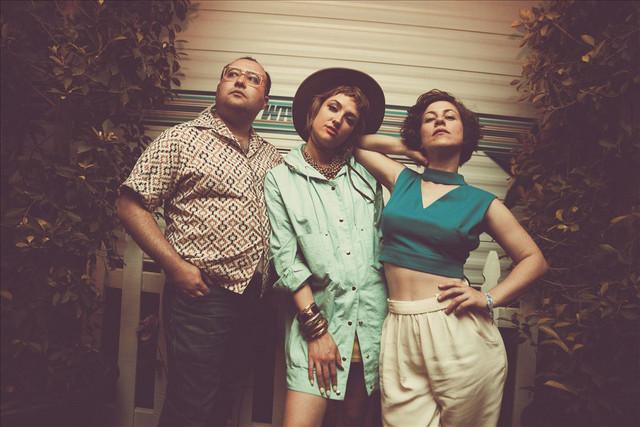
The Coathangers’ Spotify BioAn all-female garage punk band with an irreverent, fun-loving attitude, the Coathangers play purposefully simple, hooky tunes that borrow from vintage girl group sounds and contemporary teen pop acts as much as the old-school punk and new wave outfits that inform their sound. On their earliest work, such as 2007's Coathangers and 2009's Scramble, the Coathangers were scrappy and proud of it, happy to let their raucous side take the lead. Practical experience and touring sharpened their skills, and from 2014's Suck My Shirt onward, the Coathangers tempered their noisy raunch with better instrumental abilities and a more focused approach, though their sound remained a long way from tame.
Hailing from Atlanta, Georgia, the Coathangers were formed in 2006 by guitarist and singer Julia Kugel (aka Crook Kid Coathanger), bassist and singer Meredith Franco (aka Minnie Coathanger), keyboardist and singer Candice Jones (aka Bebe Coathanger), and drummer and singer Stephanie Luke (aka Rusty… Coathanger) -- Kugel and Franco were working together in a dress shop that specialized in wedding gowns and prom dresses; Jones and Luke were earning their living as bartenders. While they could barely play their instruments, they were eager to take the stage, and after playing their first show at a house party, the Coathangers soon made their proper stage debut opening for the Hiss, and their sense of fun soon won over hometown audiences.
They also became friends with fellow Atlanta band the Black Lips, who gave the Coathangers opening slots that helped them gain an even larger audience. In 2007, infamous Atlanta punk label Die Slaughterhaus Records teamed up with New York's Rob's House Records to issue the band's self-titled debut album, and the Coathangers were playing out as often as their schedules would permit, frequently gigging throughout Georgia and venturing out on short tours. Their second album, 2009's Scramble, was released by Suicide Squeeze Records, and by the time they put out 2011's Larceny & Old Lace, they were playing throughout the country and even toured Europe opening for the Thermals. In 2013, the Coathangers hit Europe again opening for ...And You Will Know Us by the Trail of Dead, but by the end of the year, they were reduced to a trio when Candice Jones left the group. Undaunted, the Coathangers pressed on as a three-piece as they recorded album number four, Suck My Shirt, which was released in the spring of 2014. In 2016, they returned with their fifth album, the well-received Nosebleed Weekend. The Parasite EP followed in the summer of 2017 on Suicide Squeeze Records.
2018's Live marked the band's first concert album, offering an energetic anthology of songs culled from their five LPs and various singles and EPs. The trio took most of 2018 off to rest and reconsider their approach. When they returned in April 2019 with The Devil You Know, the Coathangers showcased a more mature sound increasingly informed by pop hooks and a straight-ahead rock attack, though the stripped-down melodies and the grain of their vocals showed the band had not turned their back on their punkier side. ~ Mark Deming, Rovi
Viberate is a music analytics platform built for A&Rs, artist managers, labels, booking agents, marketers, and artists.
It helps music professionals track artist growth, analyze audience data, monitor playlist activity, compare artists, follow song performance, and identify opportunities across the music market.
Public artist pages provide a free preview of selected artist data. Paid plans provide access to deeper analytics, historical data, charts, comparisons, playlist tools, exports, alerts, reports, and additional professional features.
Yes. Public Viberate artist pages provide selected artist analytics and music data for free.
Viberate also offers a 7-day free trial of the full platform. A credit card is required to start the trial. The trial includes access to the complete product so users can test deeper artist analytics, historical views, playlist insights, comparisons, charts, exports, alerts, and reporting features before choosing a paid plan.
Viberate provides artist analytics across streaming, playlists, social media, video, radio airplay, songs, and audience markets.
Users can analyze Spotify performance, Spotify and Apple Music playlists, YouTube activity, TikTok and Instagram growth, radio spins, song performance, audience locations, demographics, rankings, and overall artist momentum.
Artist profiles also connect to music charts, similar artists, and comparison tools, helping users benchmark performance and evaluate artists in context.
Viberate updates key artist and track data daily.
For followed artists and tracks, selected data is refreshed multiple times per day. This helps teams monitor playlist changes, streaming movement, audience growth, releases, and campaign performance with more current data.
Update frequency can vary depending on the metric and data source.
Yes. Viberate lets users compare up to five artists side by side across streaming, social media, audience, and engagement metrics.
Users can compare fanbase growth, audience demographics, locations, Spotify performance, social metrics, and other artist data over selected time periods.
Artist comparison can be used for A&R scouting, benchmarking, booking decisions, campaign planning, and evaluating artists with similar audiences or market positions.