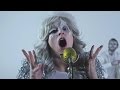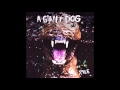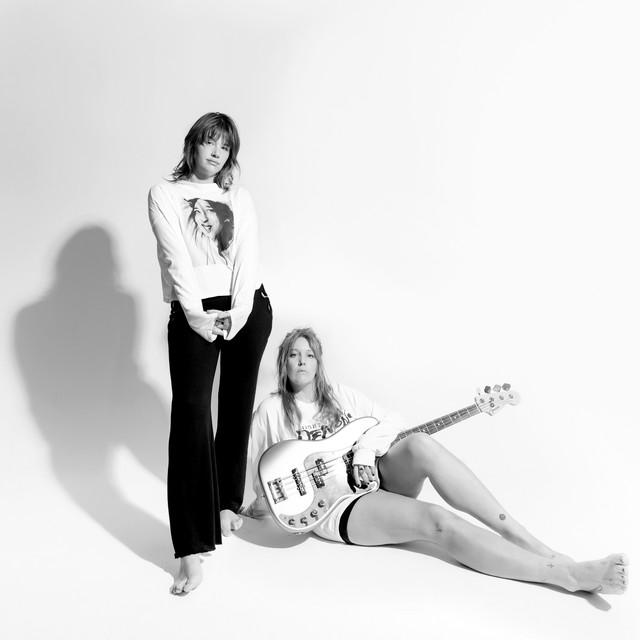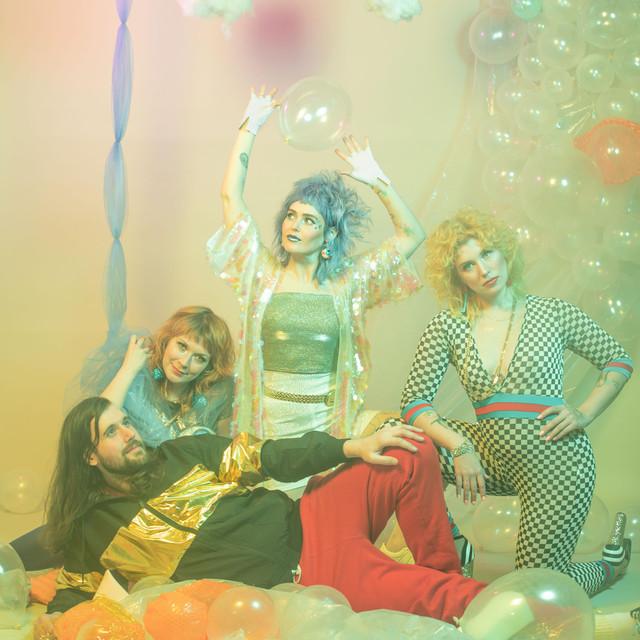
A Giant Dog

Rock
Garage Rock
Indie Rock
 Viberate Rank: 168347
 Viberate Rank: 168347
 Monthly ListenersFollowers
 Subscribers
 Followers
 Followers
 FansTop Spotify Songs
| Track | 7-Day Streams | |
|---|---|---|
1 | 4.95K | |
2 | 3.21K | |
3 | 602 | |
4 | 295 | |
5 | 275 |
Top YouTube VideosMonthly ListenersFeatured in Playlists| Playlist | Followers | |
|---|---|---|
1 | girlbossnetflix | 21.63K |
2 |  Rock's Not Dead Madde Gruber | 10.46K |
3 |  on the cut madison.fitz | 8.78K |
4 |  You're the Worst josue | 8.64K |
5 |  Surf rock/psychadelic/jingly jangly Sam Gbr Vy | 8.46K |
Audience| City | Monthly Listeners | |
|---|---|---|
1 | | 503 |
2 | | 383 |
3 | | 380 |
4 | | 325 |
5 | | 300 |
See full performance history, audience data, playlist activity, rankings, comparisons, and more in Viberate music analytics. Start with a free trial, then continue with a paid plan.
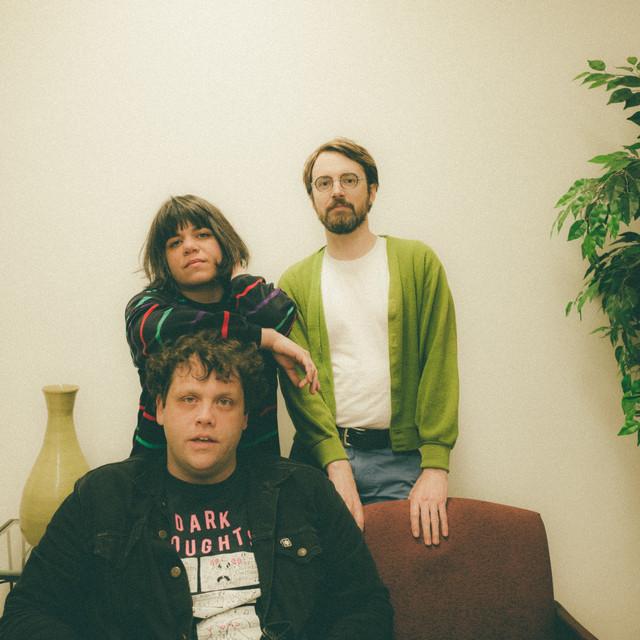
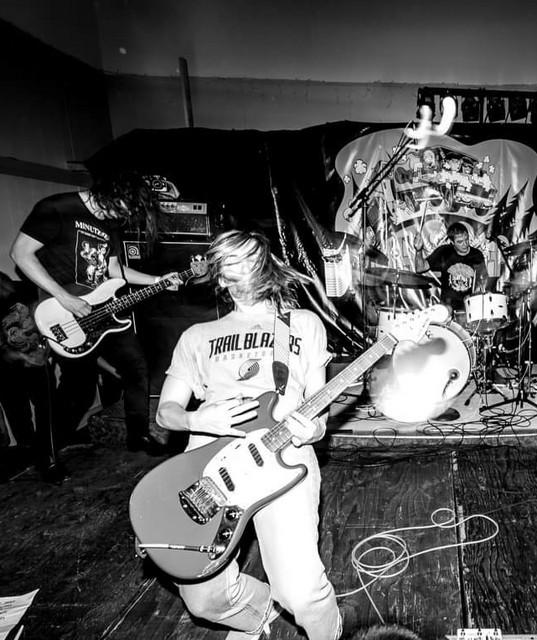
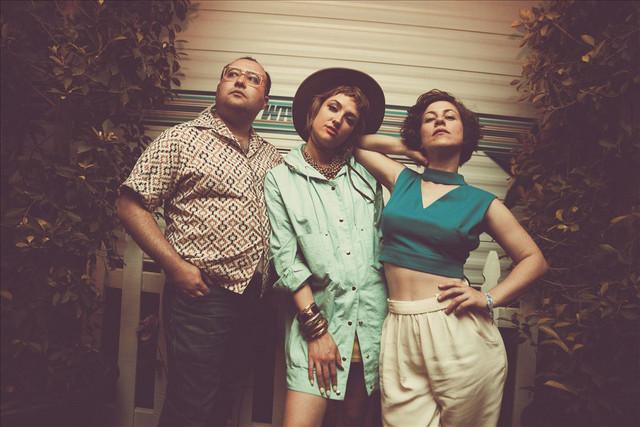
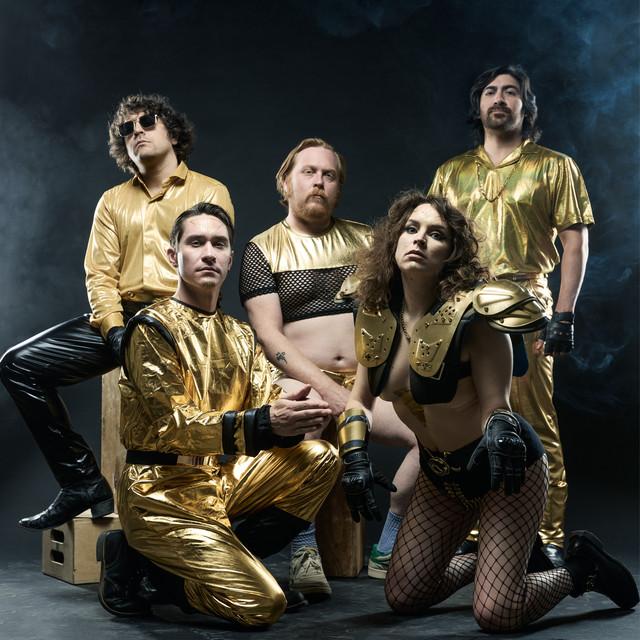
A Giant Dog’s Spotify BioAustin combo A Giant Dog bring raucous barroom energy to their brand of hook-driven indie rock which ranges in style from riffy, no-frills bangers to more elaborate glam pageantry. Debuting in 2010 with House, they soon caught the attention of Spoon's Britt Daniel and a deal with Merge followed a few years later. They drew national attention for 2016's Pile, their Merge debut, and followed it a year later with the similarly toned Toy. After this, A Giant Dog grew more experimental, covering Arcade Fire's Neon Bible in its entirely and creating a wild fantasy-based concept album with 2023's Bite.
The group was formed in 2008 by Sabrina Ellis (vocals), Andrew Cashen (vocals, guitar), and Orville Neeley (drums), all of whom had played together during their high school years in Houston. They recruited new pals Andy Bauer (guitar) and Graham Low (bass) and began playing their boozy mix of glam, garage, and punk around Texas' capitol, first releasing the House EP in 2010, followed two years… later by their debut album, Fight. They made an impression on fellow Austinite and Spoon frontman Britt Daniel, who took them out on the road for a national tour in 2012. Following 2013's self-released Bone LP, A Giant Dog signed a deal with esteemed indie Merge. Working with Spoon producer Mike McCarthy, they recorded their Merge debut, Pile, which was released in the spring of 2016. Wasting little time, A Giant Dog returned a year later with their fourth album, Toy, which doubled down on their menacing band of party rock. For their next set, they went a decidedly different route and covered Arcade Fire's Neon Bible in its entirety for Merge. After considering Prince's Purple Rain and Queen's Sheer Heart Attack, the band chose Neon Bible because they felt the original album's themes of political and social angst were pertinent to the U.S. in 2019. In 2021, they were tasked with covering "Suddenly Seymour" from Little Shop of Horrors to be included in the Amy Poehler-directed film Moxie. Returning with their first collection of original work since 2017, A Giant Dog pushed themselves into new territory with 2023's Bite, an ambitious concept album centered around characters navigating a virtual reality called Avalonia. Sonically dense and sweeping in its scope, the album took influence from a wide array of forebears including Electric Light Orchestra, Dio, and Ennio Morricone. ~ Timothy Monger, Rovi
Viberate is a music analytics platform built for A&Rs, artist managers, labels, booking agents, marketers, and artists.
It helps music professionals track artist growth, analyze audience data, monitor playlist activity, compare artists, follow song performance, and identify opportunities across the music market.
Public artist pages provide a free preview of selected artist data. Paid plans provide access to deeper analytics, historical data, charts, comparisons, playlist tools, exports, alerts, reports, and additional professional features.
Yes. Public Viberate artist pages provide selected artist analytics and music data for free.
Viberate also offers a 7-day free trial of the full platform. A credit card is required to start the trial. The trial includes access to the complete product so users can test deeper artist analytics, historical views, playlist insights, comparisons, charts, exports, alerts, and reporting features before choosing a paid plan.
Viberate provides artist analytics across streaming, playlists, social media, video, radio airplay, songs, and audience markets.
Users can analyze Spotify performance, Spotify and Apple Music playlists, YouTube activity, TikTok and Instagram growth, radio spins, song performance, audience locations, demographics, rankings, and overall artist momentum.
Artist profiles also connect to music charts, similar artists, and comparison tools, helping users benchmark performance and evaluate artists in context.
Viberate updates key artist and track data daily.
For followed artists and tracks, selected data is refreshed multiple times per day. This helps teams monitor playlist changes, streaming movement, audience growth, releases, and campaign performance with more current data.
Update frequency can vary depending on the metric and data source.
Yes. Viberate lets users compare up to five artists side by side across streaming, social media, audience, and engagement metrics.
Users can compare fanbase growth, audience demographics, locations, Spotify performance, social metrics, and other artist data over selected time periods.
Artist comparison can be used for A&R scouting, benchmarking, booking decisions, campaign planning, and evaluating artists with similar audiences or market positions.