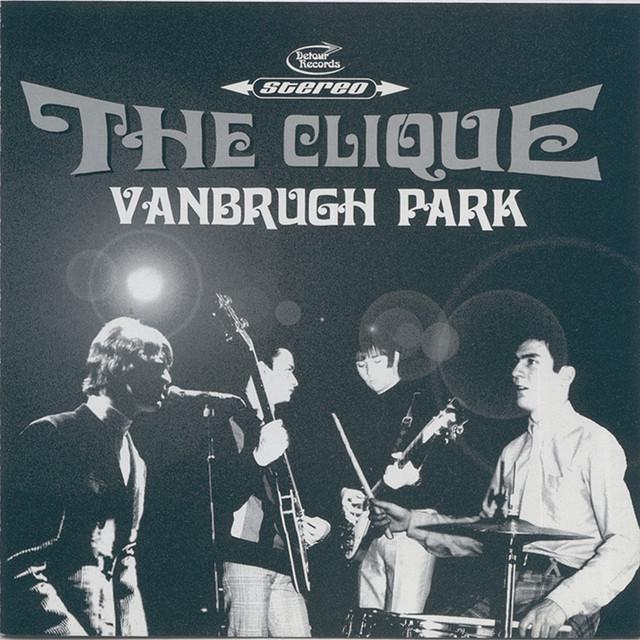
The Clique

Rock
Pop Rock
Indie Pop
 Viberate Rank: 362380
 Viberate Rank: 362380
 Monthly ListenersFollowers
 Subscribers
 Followers
 Followers
 FansTop Spotify Songs
| Track | 7-Day Streams | |
|---|---|---|
1 | 594 | |
2 | 594 | |
3 | 324 | |
4 | 122 | |
5 | 63 |
Top YouTube VideosMonthly ListenersFeatured in Playlists| Playlist | Followers | |
|---|---|---|
1 | Ska Reggae Rocksteady Janny Reggay | 12.15K |
2 |  GENREPHOBIC blustre | 6.81K |
3 | Aquarium Drunkard Radio J.B. Spaulding | 6.26K |
4 |  13 From The 13th Floor LEVITATION | 4.00K |
5 | Köln 50667 Jörg-Benjamin Müller | 2.92K |
Audience| City | Monthly Listeners | |
|---|---|---|
1 | | 57 |
2 | | 54 |
3 |  | 48 |
4 | | 39 |
5 |  | 37 |
See full performance history, audience data, playlist activity, rankings, comparisons, and more in Viberate music analytics. Start with a free trial, then continue with a paid plan.
The Clique’s Spotify BioThe Clique had a medium hit in late 1969 with "Sugar on Sunday," a cover of a song from Tommy James' Crimson and Clover album, and a smaller hit with "I'll Hold Out My Hand," a song from their sole album. Emphasizing harmonies and carefully arranged light pop-rock tunes with horns, they were part of the scene that's now known as L.A. sunshine pop, except that they fell closer to bubblegum than some other acts in the genre. Like several such acts of the time, they were less a self-contained group than a vehicle for producer/songwriter Gary Zekley, who co-wrote much of their material with Mitchell Bottler and used session musicians on most of their tracks. If other such singer/producers in California at the time (like Gary Usher and Curt Boettcher) emulated the lightest aspects of The Beach Boys, then Zekley and the Clique were lighter still, sometimes sounding a little like the Monkees or bubblegum groups of the time like the Cuff Links, and at gutsier moments like Tommy James (who… produced a couple of Clique cuts). As it turned out, however, the Clique are not remembered today for "Sugar on Sunday," but for its B-side, "Superman." Out of the ordinary for the Clique in its cool paisley moodiness and forceful guitar strumming, it was covered in 1986 by R.E.M. on Life's Rich Pageant; their version has become far more famous than the original. The Clique's album was reissued on CD by Varese Sarabande, with bonus tracks. ~ Richie Unterberger, Rovi
Viberate is a music analytics platform built for A&Rs, artist managers, labels, booking agents, marketers, and artists.
It helps music professionals track artist growth, analyze audience data, monitor playlist activity, compare artists, follow song performance, and identify opportunities across the music market.
Public artist pages provide a free preview of selected artist data. Paid plans provide access to deeper analytics, historical data, charts, comparisons, playlist tools, exports, alerts, reports, and additional professional features.
Yes. Public Viberate artist pages provide selected artist analytics and music data for free.
Viberate also offers a 7-day free trial of the full platform. A credit card is required to start the trial. The trial includes access to the complete product so users can test deeper artist analytics, historical views, playlist insights, comparisons, charts, exports, alerts, and reporting features before choosing a paid plan.
Viberate provides artist analytics across streaming, playlists, social media, video, radio airplay, songs, and audience markets.
Users can analyze Spotify performance, Spotify and Apple Music playlists, YouTube activity, TikTok and Instagram growth, radio spins, song performance, audience locations, demographics, rankings, and overall artist momentum.
Artist profiles also connect to music charts, similar artists, and comparison tools, helping users benchmark performance and evaluate artists in context.
Viberate updates key artist and track data daily.
For followed artists and tracks, selected data is refreshed multiple times per day. This helps teams monitor playlist changes, streaming movement, audience growth, releases, and campaign performance with more current data.
Update frequency can vary depending on the metric and data source.
Yes. Viberate lets users compare up to five artists side by side across streaming, social media, audience, and engagement metrics.
Users can compare fanbase growth, audience demographics, locations, Spotify performance, social metrics, and other artist data over selected time periods.
Artist comparison can be used for A&R scouting, benchmarking, booking decisions, campaign planning, and evaluating artists with similar audiences or market positions.