The Chrome Cranks

Rock
Alternative Rock
Noise Rock
 Viberate Rank: 447312
 Viberate Rank: 447312
 Monthly ListenersFollowers
 Subscribers
 Followers
 Followers
 FansTop Spotify Songs
| Track | 7-Day Streams | |
|---|---|---|
1 | 59 | |
2 | 52 | |
3 | 41 | |
4 | 41 | |
5 | 39 |
Top YouTube VideosMonthly ListenersFeatured in Playlists| Playlist | Followers | |
|---|---|---|
1 |  The Sound of Punk Blues The Sounds of Spotify | 3.52K |
2 |  The Best Show on WFMU Jared Duncan | 1.51K |
Audience| City | Monthly Listeners | |
|---|---|---|
1 |  | 9 |
2 | | 8 |
3 | | 7 |
4 |  | 6 |
5 |  | 6 |
See full performance history, audience data, playlist activity, rankings, comparisons, and more in Viberate music analytics. Start with a free trial, then continue with a paid plan.
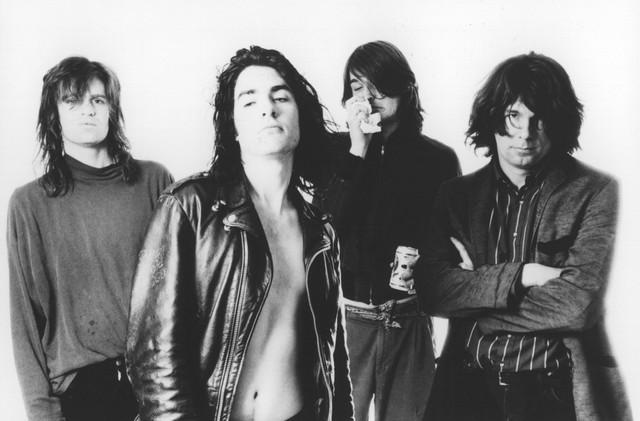
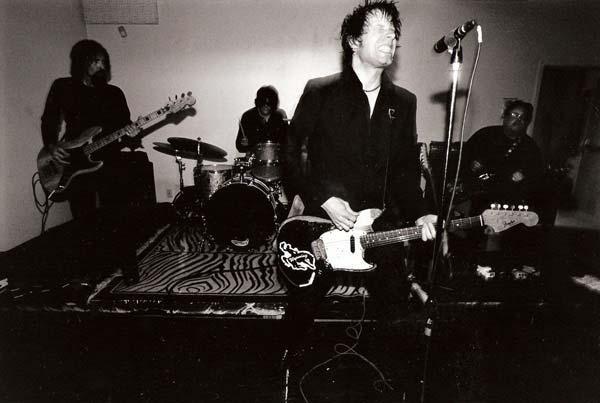
The Chrome Cranks’ Spotify BioFormed in Ohio by Peter Aaron (vocals, guitar) and William Weber in 1988, the band more or less plodded indistinguishably until relocating to New York City in the early '90s. In 1992, the Cranks were joined by former Honeymoon Killers' bassist Jerry Teel. Drummer Dan Willis signed on at the same time. At that juncture, the band was given a sense of purpose and a definite aesthetic. Where early recordings certainly reflect an interest in garage rock and noisy indie bands like the Jesus and Mary Chain, it wasn't until Teel joined that the Chrome Cranks' sound solidified itself. From that point, the band picked up where the Honeymoon Killers left off, churning out a stripped down, deconstructive bastardization of garage rock tradition, retooling everything from the Stooges to Kim Salmon. The new lineup inaugurated their recording career with the debut EP Eight-Track Mind on PCP in 1992, thus establishing their Cramps meets Pussy Galore aesthetic -- sleaze-rock, essentially. A heap of… other singles followed in the successive years.
In 1994, PCP released the quartet's self-titled debut album, quite possibly their best. Dead Cool followed in 1995, with Bob Bert, previously of Sonic Youth, Pussy Galore, and many other bands of note, on drums. The album lacked the visceral rawness of its predecessor. The Chrome Cranks' final studio album, Love in Exile, appeared in 1996. Although the band folded that year, sporadic singles followed, as well as the album of outtakes and demos, Oily Cranks, and the potent live document, Live in Exile, both in 1997. ~ Patrick Kennedy, Rovi
Viberate is a music analytics platform built for A&Rs, artist managers, labels, booking agents, marketers, and artists.
It helps music professionals track artist growth, analyze audience data, monitor playlist activity, compare artists, follow song performance, and identify opportunities across the music market.
Public artist pages provide a free preview of selected artist data. Paid plans provide access to deeper analytics, historical data, charts, comparisons, playlist tools, exports, alerts, reports, and additional professional features.
Yes. Public Viberate artist pages provide selected artist analytics and music data for free.
Viberate also offers a 7-day free trial of the full platform. A credit card is required to start the trial. The trial includes access to the complete product so users can test deeper artist analytics, historical views, playlist insights, comparisons, charts, exports, alerts, and reporting features before choosing a paid plan.
Viberate provides artist analytics across streaming, playlists, social media, video, radio airplay, songs, and audience markets.
Users can analyze Spotify performance, Spotify and Apple Music playlists, YouTube activity, TikTok and Instagram growth, radio spins, song performance, audience locations, demographics, rankings, and overall artist momentum.
Artist profiles also connect to music charts, similar artists, and comparison tools, helping users benchmark performance and evaluate artists in context.
Viberate updates key artist and track data daily.
For followed artists and tracks, selected data is refreshed multiple times per day. This helps teams monitor playlist changes, streaming movement, audience growth, releases, and campaign performance with more current data.
Update frequency can vary depending on the metric and data source.
Yes. Viberate lets users compare up to five artists side by side across streaming, social media, audience, and engagement metrics.
Users can compare fanbase growth, audience demographics, locations, Spotify performance, social metrics, and other artist data over selected time periods.
Artist comparison can be used for A&R scouting, benchmarking, booking decisions, campaign planning, and evaluating artists with similar audiences or market positions.