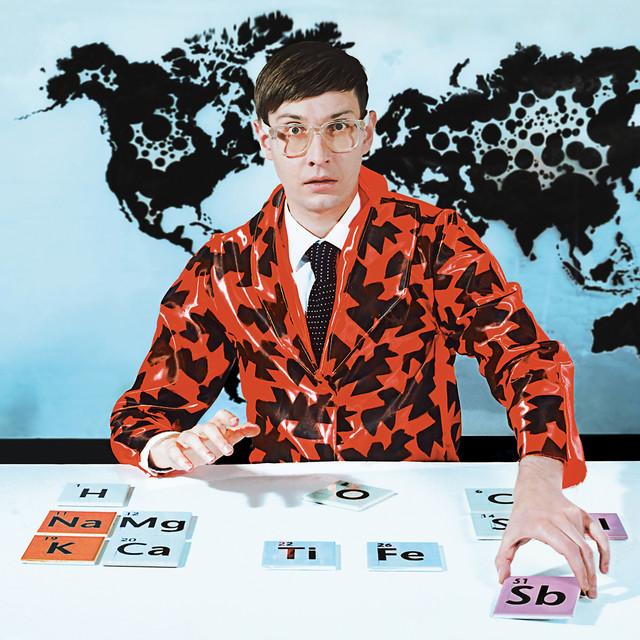
The Chap

Pop
Indie Pop
Indie Rock
 Viberate Rank: 300293
 Viberate Rank: 300293
 Monthly ListenersFollowers
 Subscribers
 Followers
 Followers
 FansTop Spotify Songs
| Track | 7-Day Streams | |
|---|---|---|
1 | 59 | |
2 | 45 | |
3 | 44 | |
4 | 43 | |
5 | 41 |
Top YouTube Videos| Video | 7-Day Views | |
|---|---|---|
1 | 2 | |
2 | 1 |
Monthly ListenersFeatured in Playlists| Playlist | Followers | |
|---|---|---|
1 | While You Work (@whileyouwork) Eli Feghali | 81.75K |
2 |  NTS Radio Track ID | Updated Regularly Erol Alkan | 11.21K |
3 |  Toroslar Kalben | 5.65K |
4 | HAPPY SONGS FOR SAD DAYS by pixelbox el_tejo | 5.30K |
5 |  TRASH Record Box | Updated Regularly Erol Alkan | 4.86K |
Audience| City | Monthly Listeners | |
|---|---|---|
1 |  | 49 |
2 | | 48 |
3 |  | 19 |
4 |  | 13 |
5 | | 13 |
See full performance history, audience data, playlist activity, rankings, comparisons, and more in Viberate music analytics. Start with a free trial, then continue with a paid plan.
The Chap’s Spotify BioBritish electro-rock band the Chap were formed in North London by Claire Hope (keyboards, vocals), Johannes Von Weizsäcker (guitar, vocals, cello), Panos Ghikas (bass, violin, guitar, vocals), and Keith Duncan (drums). They released a 10" EP, Fun, on Lo Recordings in April 2002. Their debut album, The Horse, was released on April 28, 2003, followed on September 29, 2003 by the EP (Hats Off To) Dror Frangi. Their second full-length album, Ham, was released on June 27, 2005. A second EP, The Chop, came out on June 11, 2007. Their third album, Mega Breakfast, was released in Europe on May 19, 2008 and in the U.K. a week later. They signed to Ghostly International, which issued Mega Breakfast in the U.S. on July 1, 2008 as their first official American release. At the same time, Hope took a pregnancy leave from the group and was replaced temporarily by keyboard player and singer Berit, who had previously played in a band called Karamasov with Von Weizsäcker, and worked with Omo. After… touring in support of Mega Breakfast, the Chap recorded their fourth album, Well Done Europe, a sleeker, more electronically inclined set of songs that was released in mid-2010. The confidently named collection We Are the Best arrived late in 2011. Looking for a challenge, the band's next album, 2013's We Are Nobody, consisted of entirely irony-free songs. Two years later, the Chap returned with The Show Must Go, which skewered Europe's political situation and rock music's ability to be an agent of change. ~ William Ruhlmann, Rovi
Viberate is a music analytics platform built for A&Rs, artist managers, labels, booking agents, marketers, and artists.
It helps music professionals track artist growth, analyze audience data, monitor playlist activity, compare artists, follow song performance, and identify opportunities across the music market.
Public artist pages provide a free preview of selected artist data. Paid plans provide access to deeper analytics, historical data, charts, comparisons, playlist tools, exports, alerts, reports, and additional professional features.
Yes. Public Viberate artist pages provide selected artist analytics and music data for free.
Viberate also offers a 7-day free trial of the full platform. A credit card is required to start the trial. The trial includes access to the complete product so users can test deeper artist analytics, historical views, playlist insights, comparisons, charts, exports, alerts, and reporting features before choosing a paid plan.
Viberate provides artist analytics across streaming, playlists, social media, video, radio airplay, songs, and audience markets.
Users can analyze Spotify performance, Spotify and Apple Music playlists, YouTube activity, TikTok and Instagram growth, radio spins, song performance, audience locations, demographics, rankings, and overall artist momentum.
Artist profiles also connect to music charts, similar artists, and comparison tools, helping users benchmark performance and evaluate artists in context.
Viberate updates key artist and track data daily.
For followed artists and tracks, selected data is refreshed multiple times per day. This helps teams monitor playlist changes, streaming movement, audience growth, releases, and campaign performance with more current data.
Update frequency can vary depending on the metric and data source.
Yes. Viberate lets users compare up to five artists side by side across streaming, social media, audience, and engagement metrics.
Users can compare fanbase growth, audience demographics, locations, Spotify performance, social metrics, and other artist data over selected time periods.
Artist comparison can be used for A&R scouting, benchmarking, booking decisions, campaign planning, and evaluating artists with similar audiences or market positions.